High-precision OEM/ODM components, custom control units, and industrial system parts engineered for global deployment.
The convergence of IoT architectures, solid-state lighting (SSL), and regulatory energy mandates are redefining the structural requirements of smart controllers.
In the contemporary landscape of commercial buildings, smart factories, and advanced automotive designs, Lighting Control Modules (LCMs) have transitioned from mere passive relay boards into highly integrated, microprocessing edge-computing nodes. Fueled by global energy-efficiency protocols (such as Title 24 in California and the European Union’s Energy Performance of Buildings Directive), the demand for dynamic illumination control has grown exponentially.
Modern LCMs integrate protocols like DALI-2, KNX, BacNet, and BLE Mesh to allow seamless interoperability. In industrial environments, automated light harvesting and occupancy-based dimming cycles reduce enterprise power overheads by up to 60%. Similarly, the automotive domain has witnessed a paradigm shift toward zonal architecture, where automotive light controllers communicate over High-Speed CAN or LIN networks to execute adaptive headlight illumination, real-time diagnostic reporting, and active matrix array configurations.
This integration demands strict quality management during the PCBA manufacturing phase. High inrush currents common in LED drivers require specific circuit protection, such as robust zero-cross switching circuits and TVS diode protection arrays on control lines. Without specialized design parameters, long-term switching degradation becomes a critical system bottleneck, making the choice of electronic components and manufacturer engineering competency paramount for global buyers.
Analyzing the cost-competitiveness, rapid prototyping, and vertical integration of South China's high-tech manufacturing corridors.
By grouping semiconductor distributors, passive component suppliers, high-precision PCB fabricators, and injection molding facilities in proximity, lead times for raw components are reduced from weeks to hours.
Chinese contract manufacturers employ top-tier surface mount technology (SMT) lines. Features like AOI (Automated Optical Inspection) and 3D X-ray testing assure minimal component placement error rates down to the parts-per-million level.
Leveraging open-source microcontroller platforms and regional firmware engineering hubs, custom protocol adjustments (such as adding proprietary LIN matrices or CAN identifiers) require minimal NRE (Non-Recurring Engineering) investments.
Additionally, manufacturing clusters in regions like Shenzhen and Dongguan have optimized their logistics infrastructure. Finished modules undergo automated function tests (FCT) and environmental stress screening (ESS)—including thermal cycling and high-humidity burn-in tests—prior to shipping. This ensures that the products are directly ready for installation on automotive production lines or smart building sites worldwide.
A premier manufacturing hub integrating advanced R&D, strict quality control systems, and precision automotive/industrial solutions.
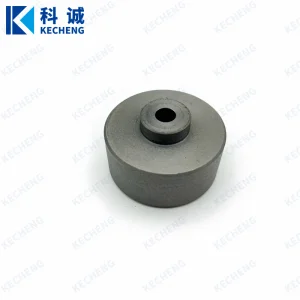
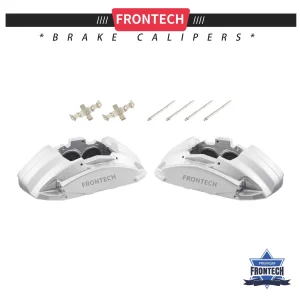
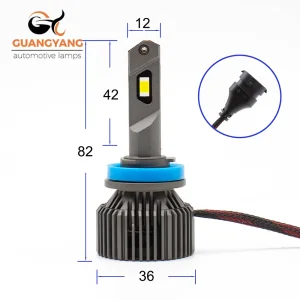
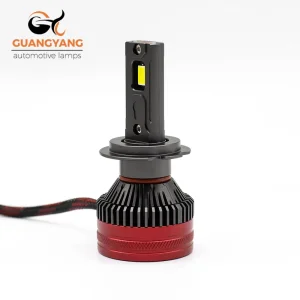
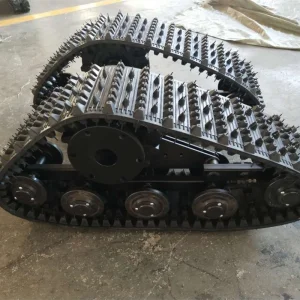
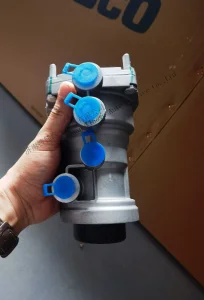
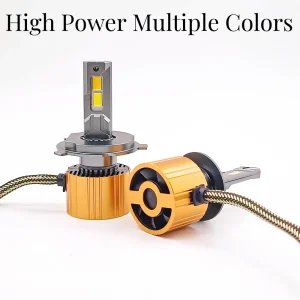
Dongguan SHE Auto Co., Ltd. is a professional manufacturer specializing in automotive components, including LED headlights, brake systems, charging infrastructure solutions, and precision machining components. Located in Dongguan, China, the company integrates research and development, manufacturing, quality control, and global sales to provide reliable and high-performance automotive parts for international markets.
With a strong technical team and advanced production facilities, SHE Auto is committed to delivering products that meet stringent industry standards for safety, durability, and efficiency. Our product range covers essential automotive systems such as lighting solutions for improved visibility, braking components for enhanced safety, and charging infrastructure that supports the rapid growth of electric vehicles. In addition, we provide precision-machined parts designed to meet exact specifications for various automotive applications.
Dongguan SHE Auto Co., Ltd. continuously invests in innovation and process optimization, utilizing modern equipment and strict inspection procedures to ensure consistent product quality. Our solutions are widely applied in passenger vehicles, commercial vehicles, and emerging electric mobility sectors.
We also offer customized manufacturing services tailored to specific client requirements, enabling flexible production and efficient supply chain support. Guided by the principles of quality, reliability, and customer satisfaction, SHE Auto is dedicated to building long-term partnerships and delivering value-driven automotive solutions to clients worldwide.
From heavy-duty industrial environments to modern electric vehicle architectures.
Integration of lighting systems with onboard BCM (Body Control Module) networks. Custom LIN-bus nodes manage ambient cabin lights, and high-frequency PWM controllers ensure flicker-free operations in dynamic LED matrix designs.
High-voltage dimming cabinets running on DALI-2 systems. These modules connect to external photo-sensors and PIR motion detectors, enabling automatic zone illumination adjustment depending on human presence and daylight ingress.
Low-voltage DC lighting control modules designed for telecom shelters, container houses, and mobile power stations. These systems maximize battery life through programmed dusk-to-dawn dimming profiles.
Review the standard specifications supported by leading OEM manufacturers in the table below:
| Module Category | Communication Protocol | Voltage Ranges Supported | Protection Classes | Primary Industrial Applications |
|---|---|---|---|---|
| Automotive LED ECUs | CAN, LIN Bus, PWM Control | 9V - 36V DC (AEC-Q100 Compliant) | IP67 / IP69K Waterproofing | ADB Headlights, Interior Ambient Lighting |
| Commercial Smart Nodes | DALI-2, KNX, BLE Mesh | 100V - 277V AC, 50/60 Hz | IP20 / IP54 Indoor Grade | Office Buildings, Smart Warehouses |
| Solar Controller Modules | Modbus RTU, Zigbee | 12V / 24V / 48V DC Systems | IP65 Enclosure Protected | Smart Street Lighting, Remote Containers |
How Edge Computing, GaN Power Devices, and IoT Connectivity are shaping the future of industrial controllers.
As the market moves towards intelligent ecosystems, several macro-trends are shaping the engineering of new lighting controllers:
Practical guidelines for procurement managers and design engineers to reduce technical risks during development cycles.
When sourcing industrial or automotive control units from Chinese manufacturers, adhering to a structured vetting checklist minimizes quality issues:
Ensure the design team provides robust simulation data for thermal performance, signal integrity on high-frequency communication buses (CAN/LIN), and electrical safety margins. Request schematic reviews highlighting inrush current control structures.
For automotive environments, IATF 16949 is mandatory. For building automation systems, compliance with UL 916 (Energy Management Equipment) or CE directives (EN 55015 for electromagnetic compatibility) is crucial to pass local safety inspections.
Sourcing hardware is only half the battle. Access to Software Development Kits (SDKs), API documentation, and customizable firmware modules is essential for integrating the controller into third-party BMS (Building Management Systems).
Top-tier suppliers in Dongguan can deliver functional prototype PCB assemblies within 10–15 business days. This speed enables iterative design verification before committing to expensive tooling for plastic enclosures.
Expert technical insights regarding module design, custom protocol programming, and production quality assurance.
To mitigate inrush spikes, which can reach up to 100 times the operating current, advanced controllers use zero-cross detection circuits. By switching the relay or solid-state driver exactly when the AC sine wave crosses zero volts, transient current spikes are minimized, protecting the contacts and extending module lifespan.
DALI-2 provides bidirectional digital communication, allowing modules to report diagnostic states, detailed energy usage metrics, and specific lamp failures back to the central controller. Additionally, digital addressing allows for flexible zone configuration via software, eliminating the need to physically rewire circuit runs when changes are made.
Components designed for automotive environments undergo rigorous screening. Integrated circuits are sourced from qualified suppliers meeting AEC-Q100 specifications. Testing processes include environmental chamber testing (from -40°C up to +125°C), mechanical drop simulations, vibration tests, and electrostatic discharge (ESD) verification.
Yes. Manufacturers like Dongguan SHE Auto Co., Ltd. offer custom firmware programming services. Customers can define specific baud rates, frame formats, and register address maps (such as custom Modbus configurations or proprietary CAN networks) to integrate the modules into existing architectures.
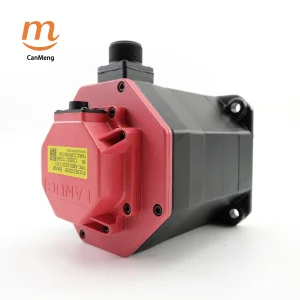
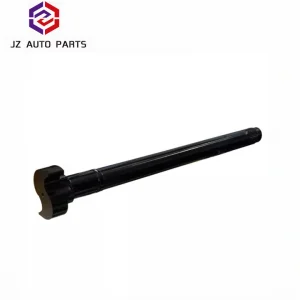
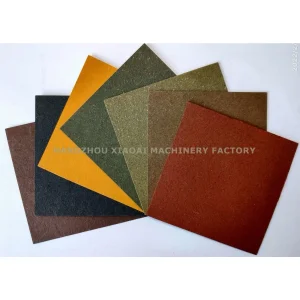
Complementary products from our industrial range, maintaining robust supply chains for manufacturing and energy sectors.
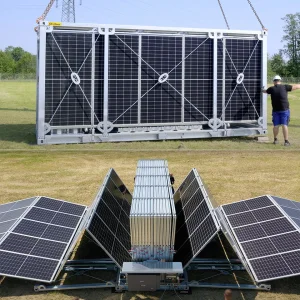
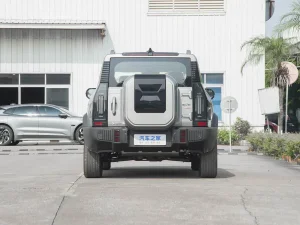
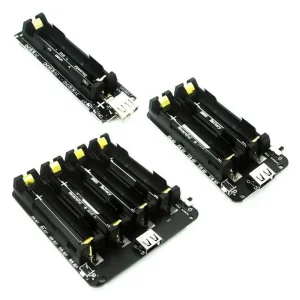
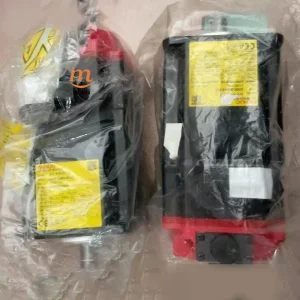
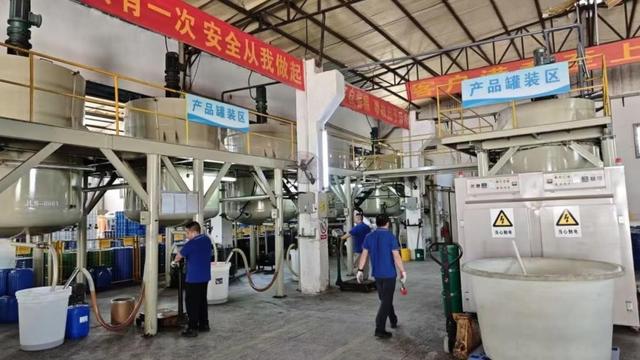
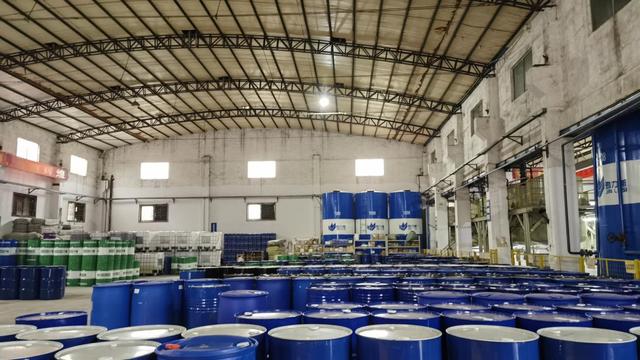
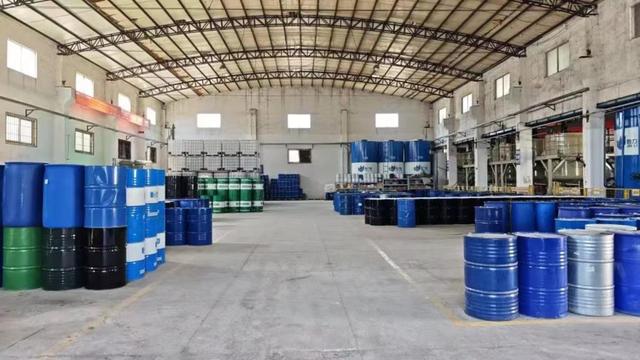
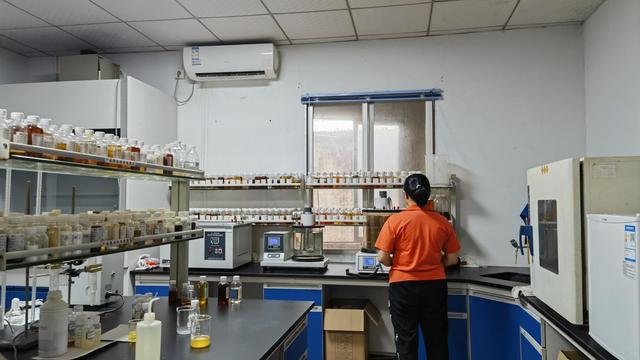
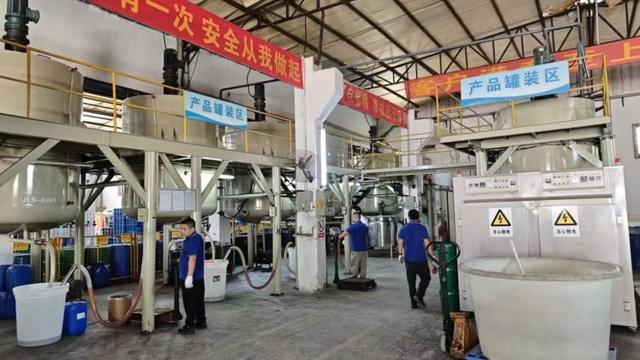
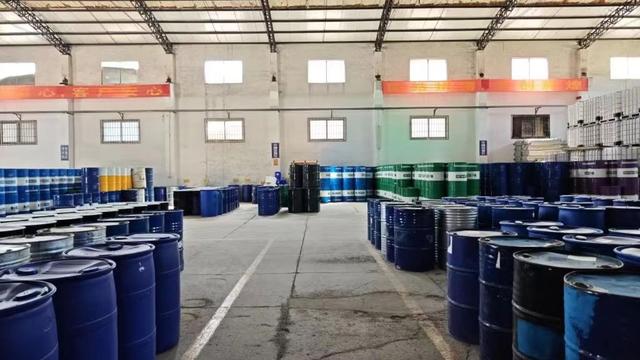
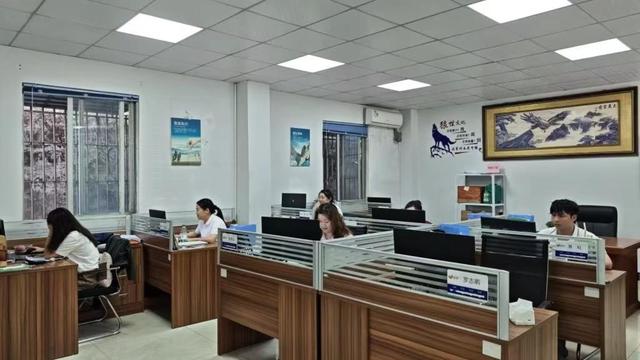
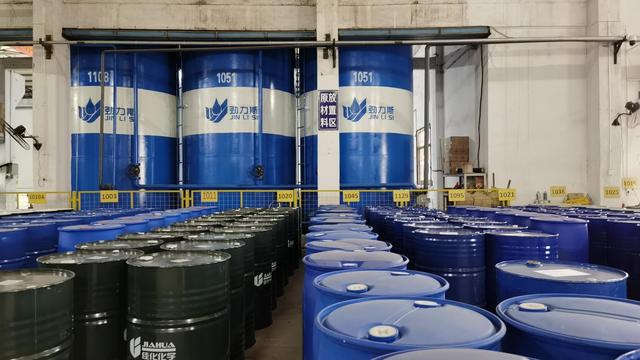
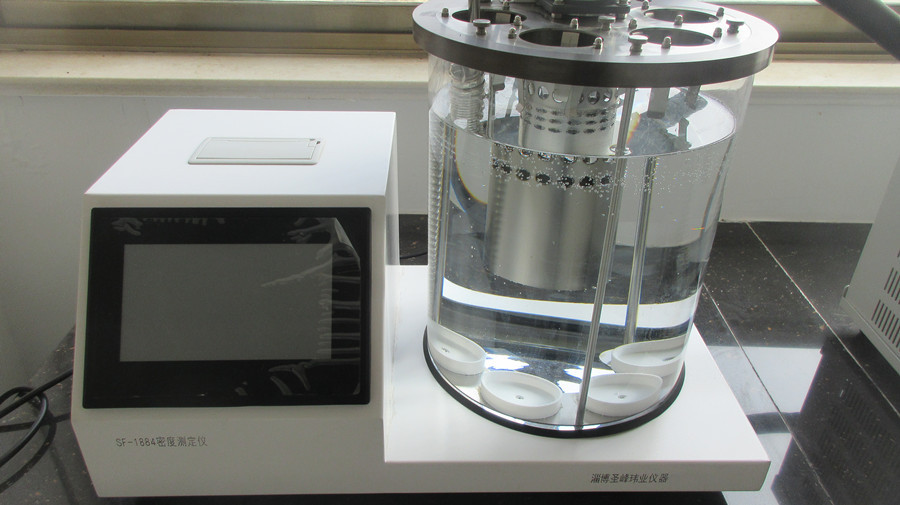
A visual look into the cleanroom environments, SMT placement, testing labs, and packing processes at our manufacturing plant.
Technical data, designs, and parameters described in this document are subject to custom configuration requests. For custom projects or system design integrations, contact our engineering support group. All registered trademarks and third-party links are property of their respective owners.
 SHE Auto