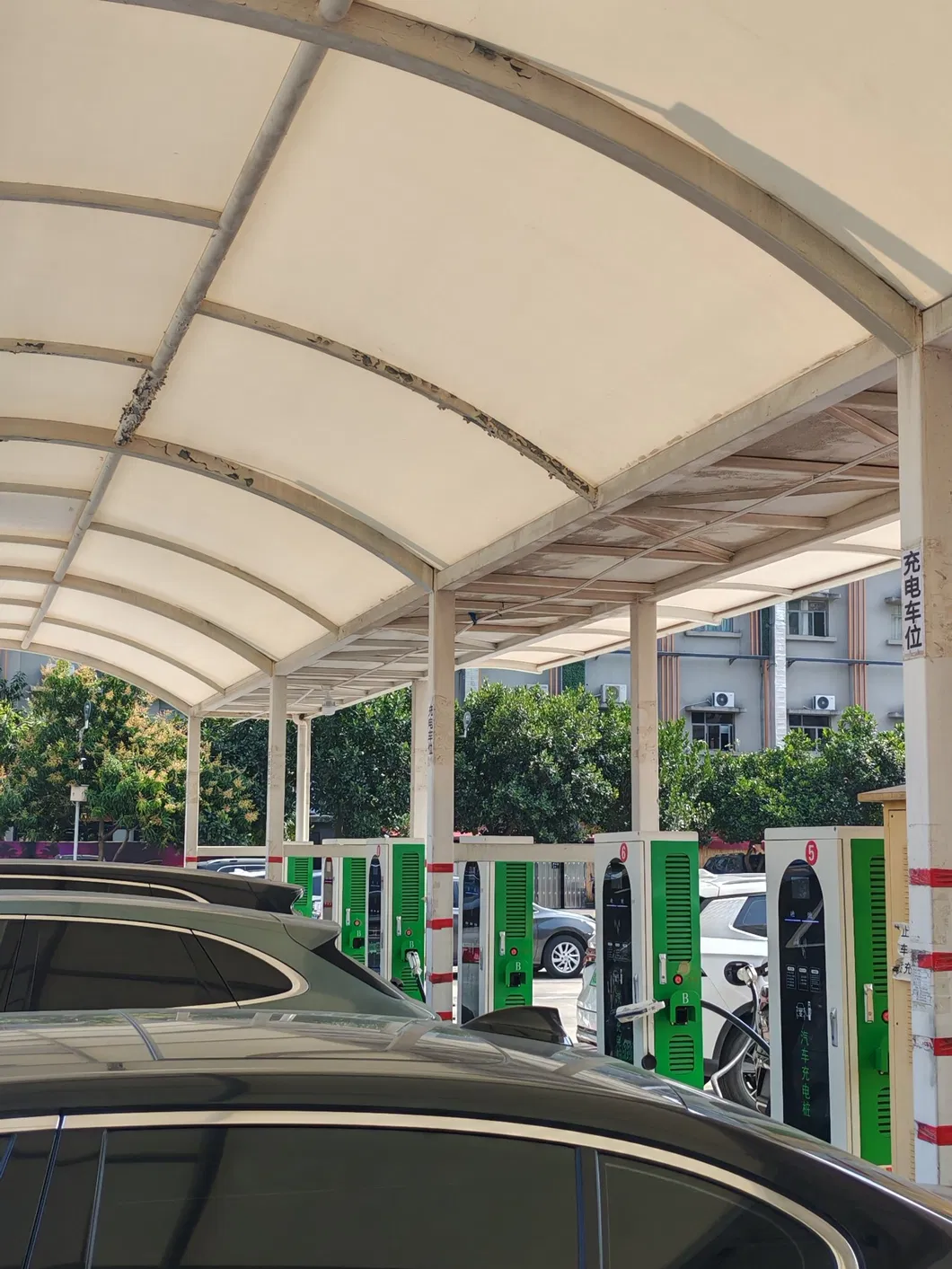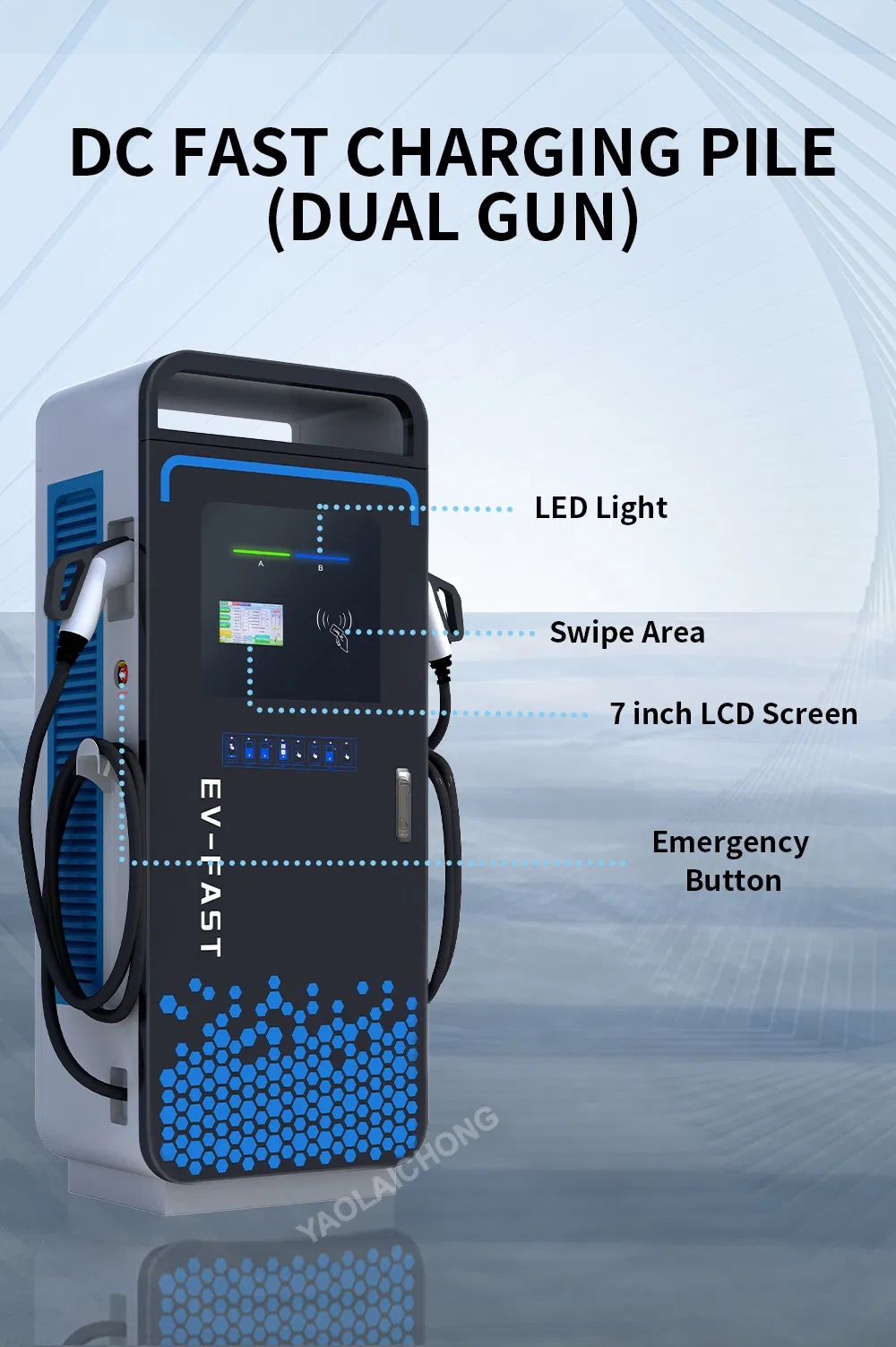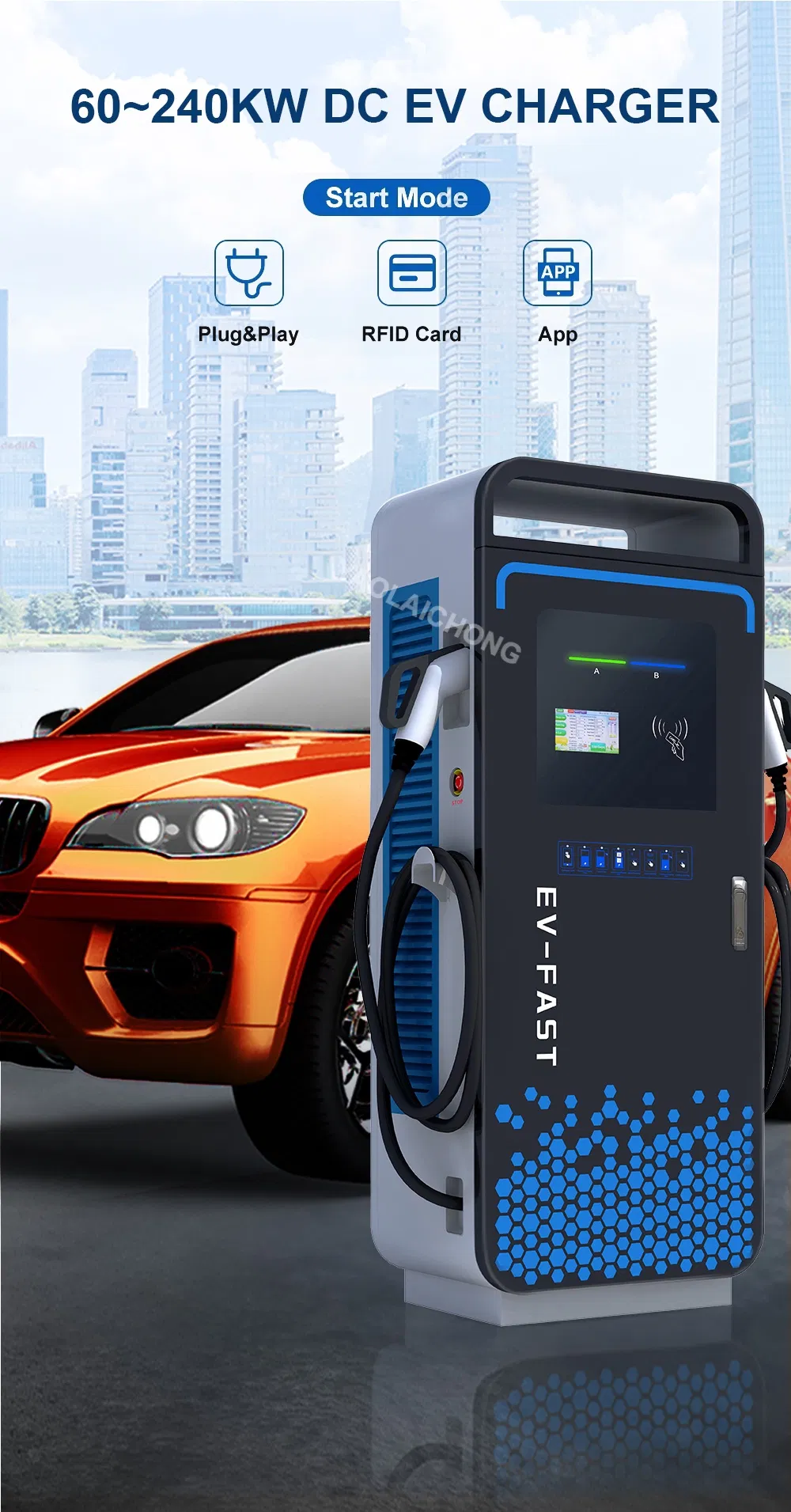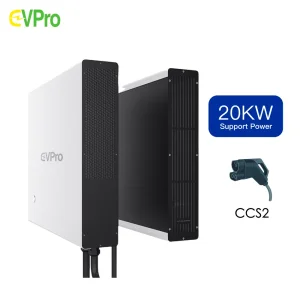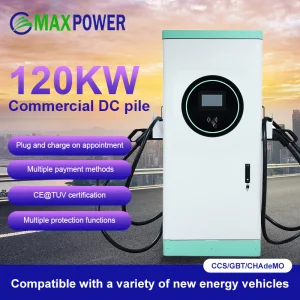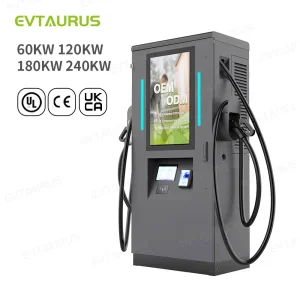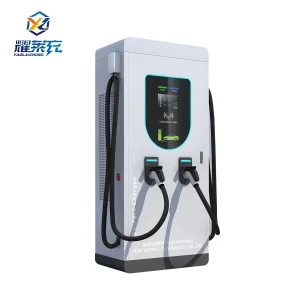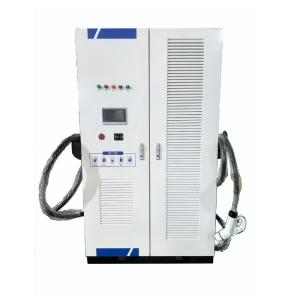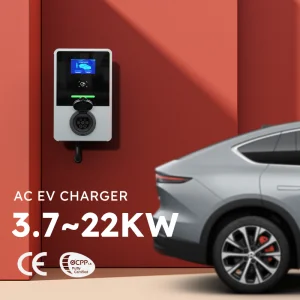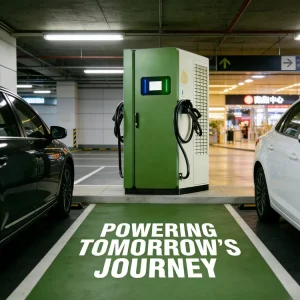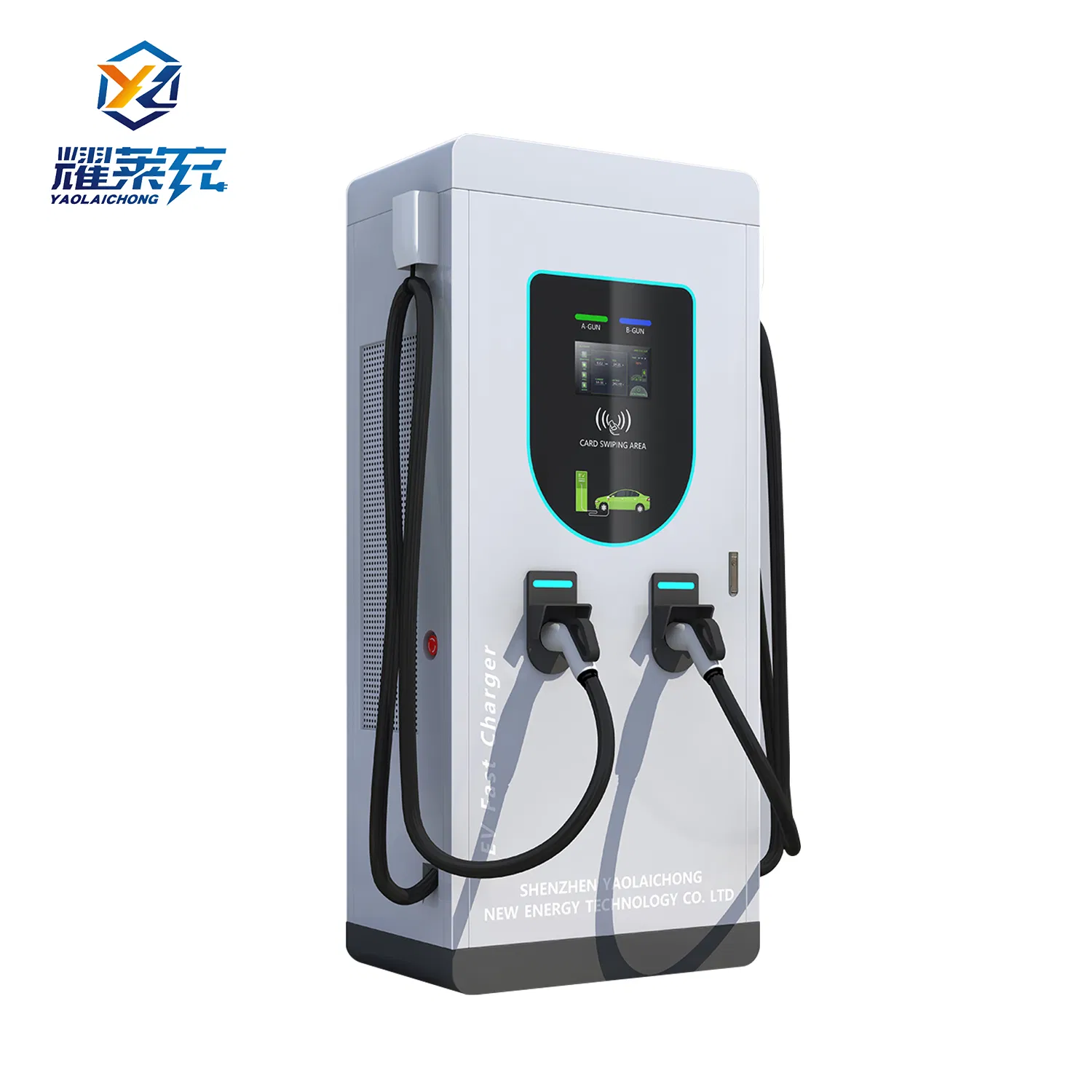
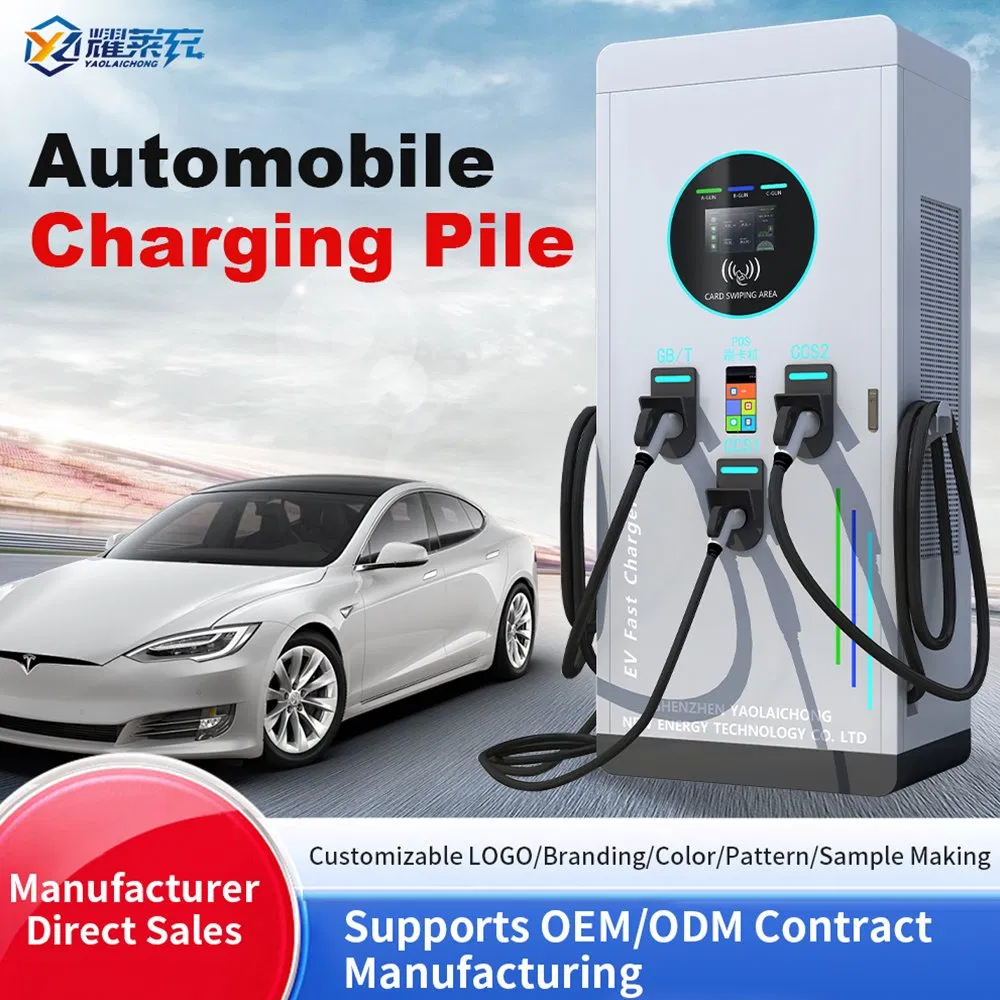
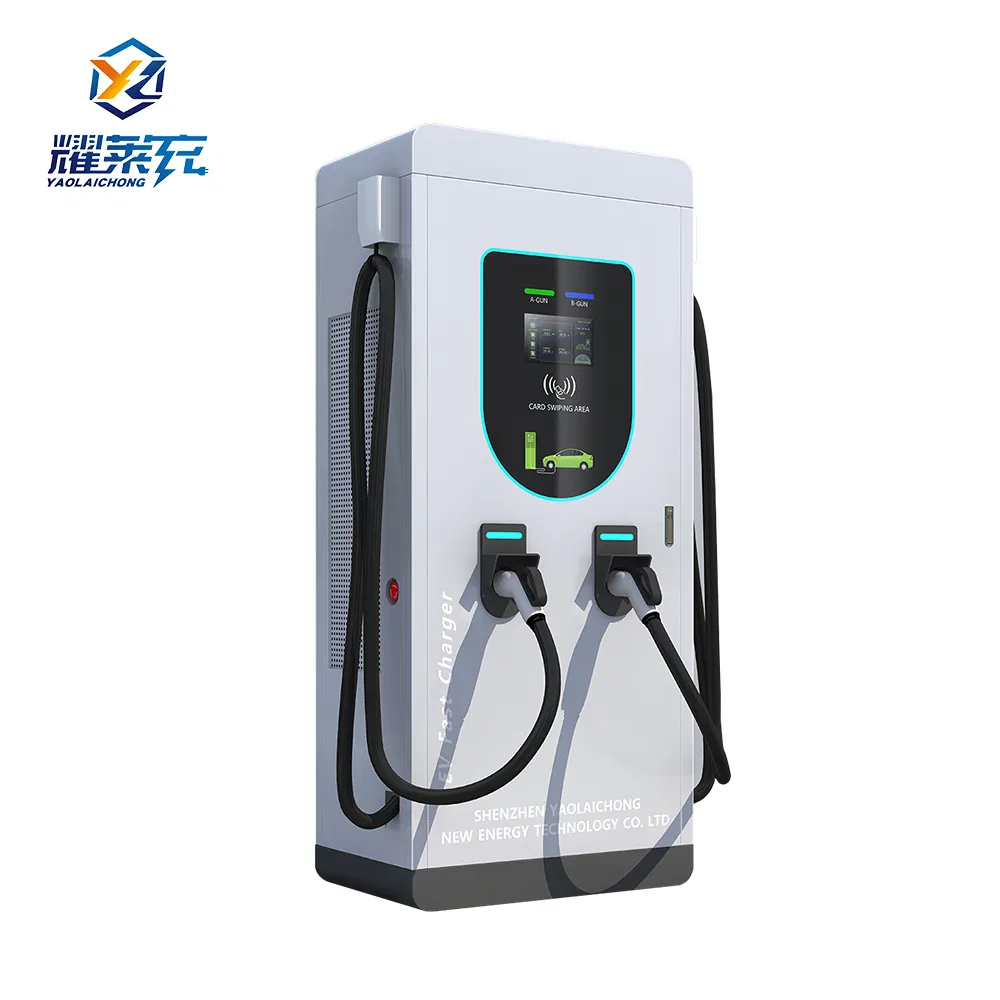
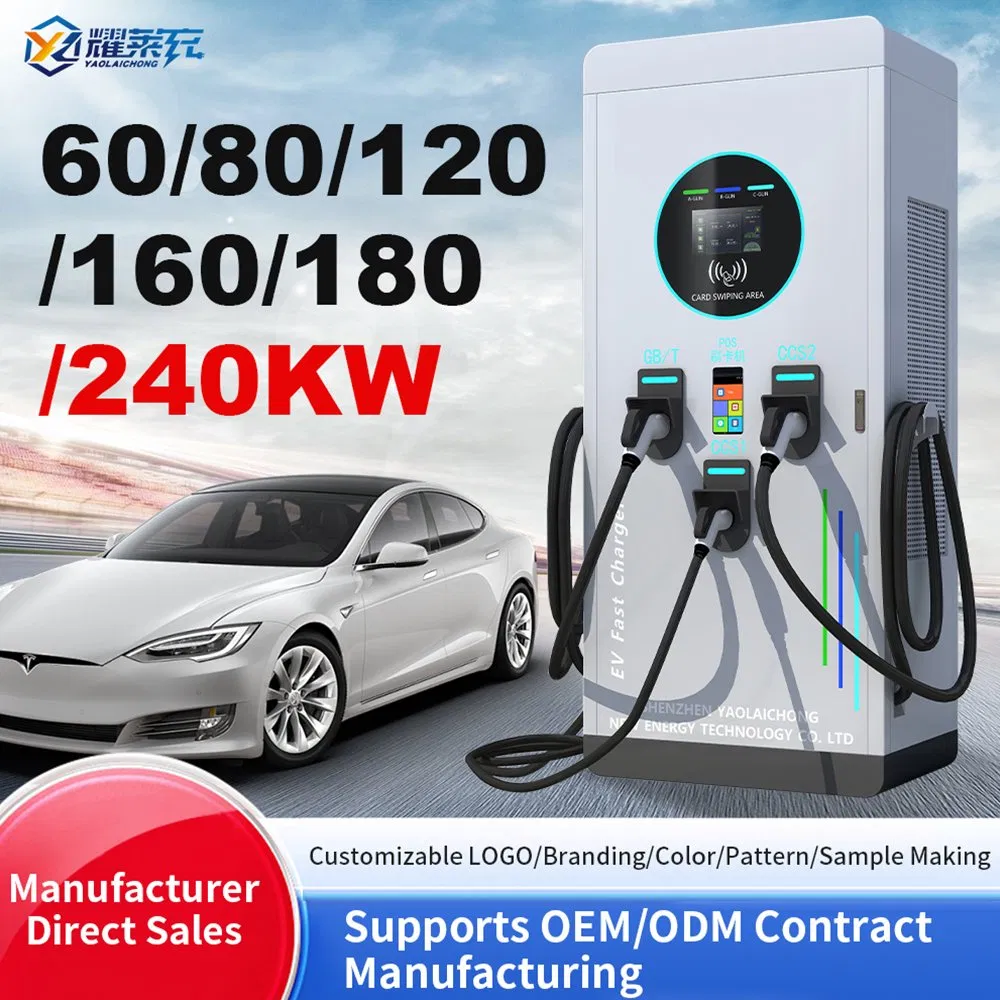
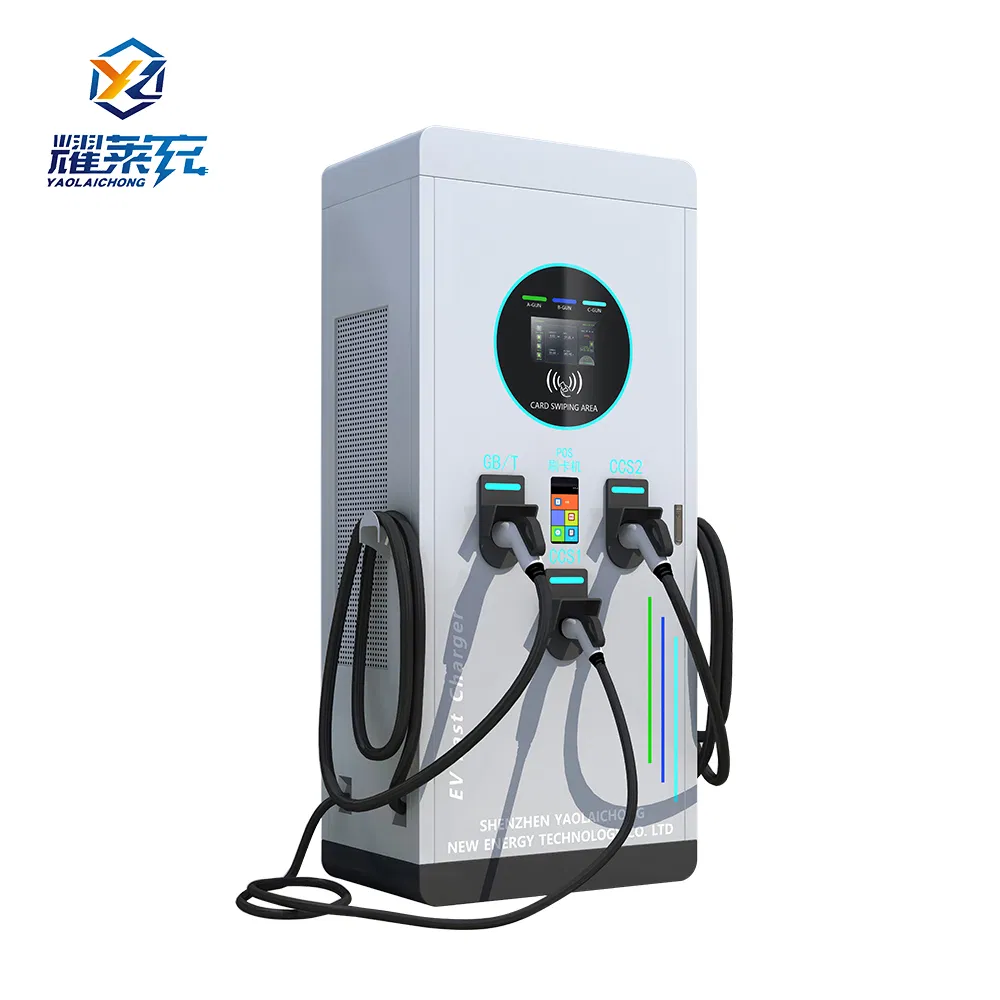
20-30mins 60/80/120/160/180kw Gbt/CCS2 Commercial Public Electric Vehicles EV Charging Station

Customization: Available
Start Mode: APP Control, Book charging, Remote Control, RFID Card
Charge Method: Quick Charge

Product Description

Basic Information
Model NO.
YLC-KC-P
Installation
Floor Type
Location
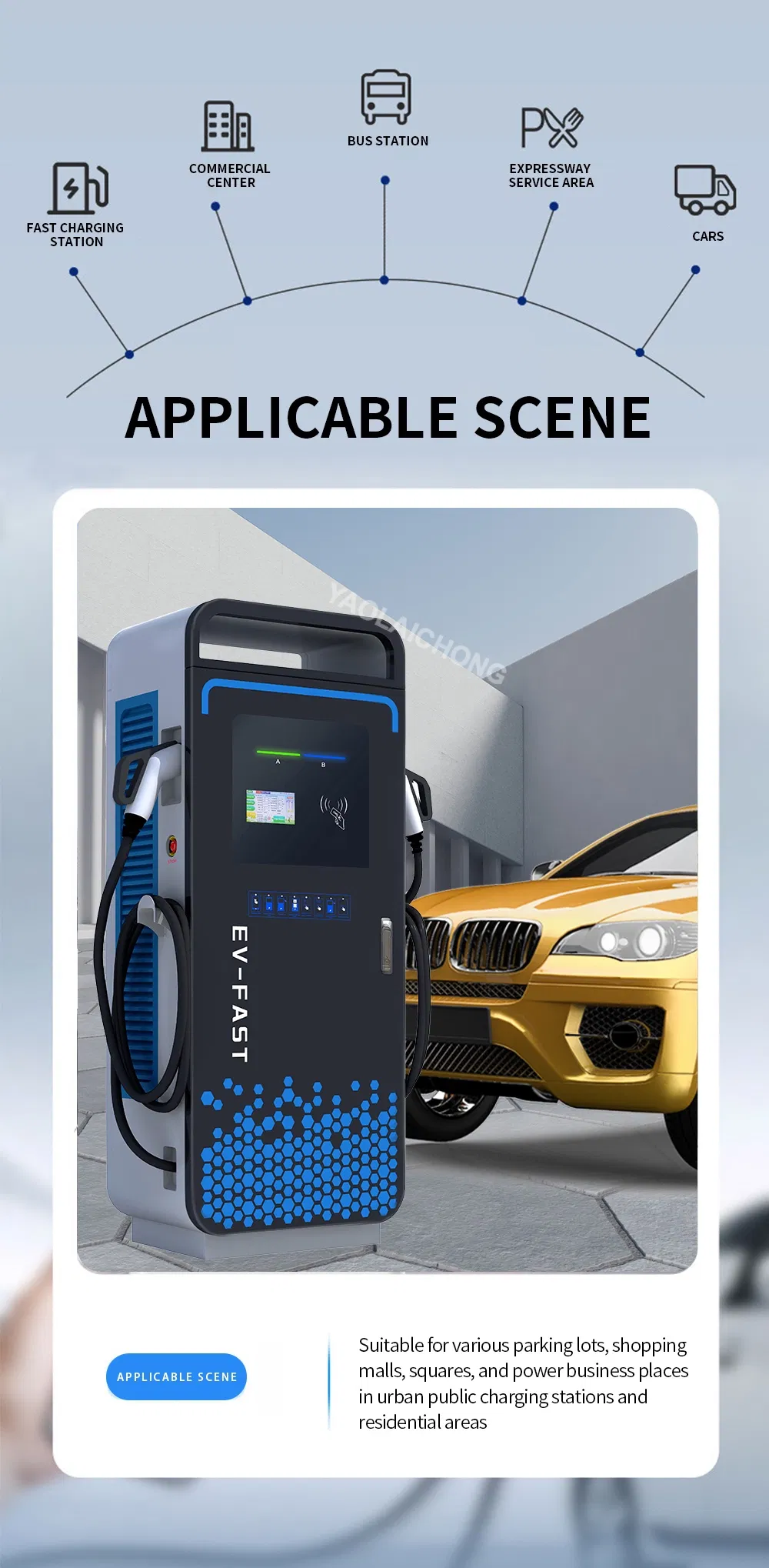
Public Use
Output Power
DC 120kw + AC 22kw
Input Voltage
380V
Applicable Car
All Brands of Electric Vehicles
Charging Time
20-30 mins
Payment
RFID/POS/OCPP (QR Code, Credit Card)
Customer Case Feedback
Why Customers Choose Us
Professional Features
Core Advantages
Client Benefits
Product Description
Product View 1
Product View 2
Product View 3
Product View 4
Technical Details
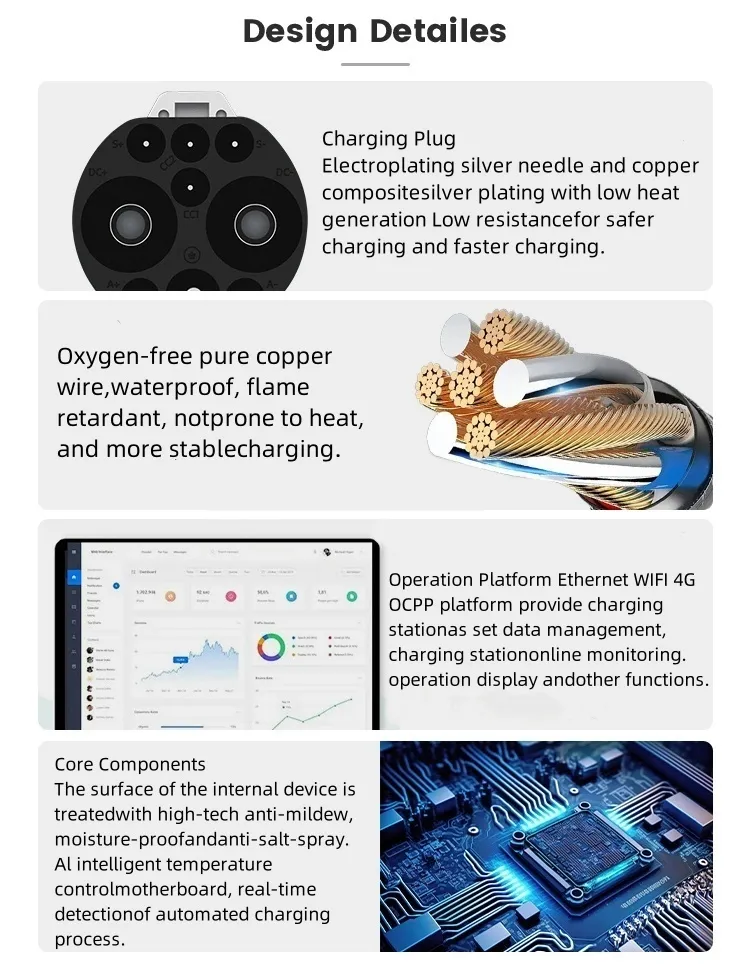
Charging Interface
Detailed Product Specifications
Rated Power120kw/160KW/180kw/240kw/320kw/360kw
User Interface7-inch LCD color display touch screen
InstallationFloor standing
Cable Length5m
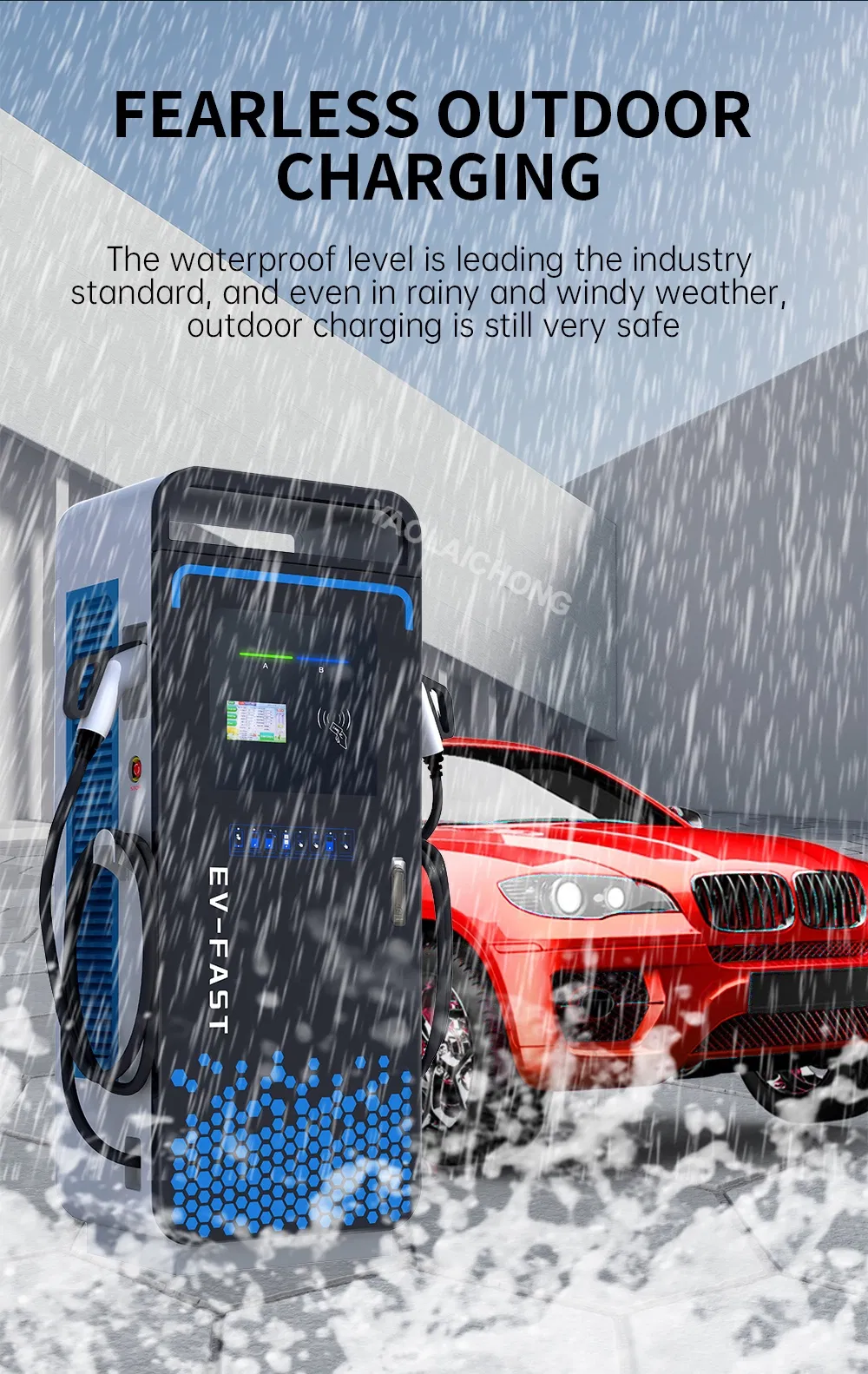
Protection LevelIP54
Output Voltage200-1000V
Efficiency≥ 94.5%
Charging ModeAutomatic/Fixed Quantity/Fixed Amount/Set Time
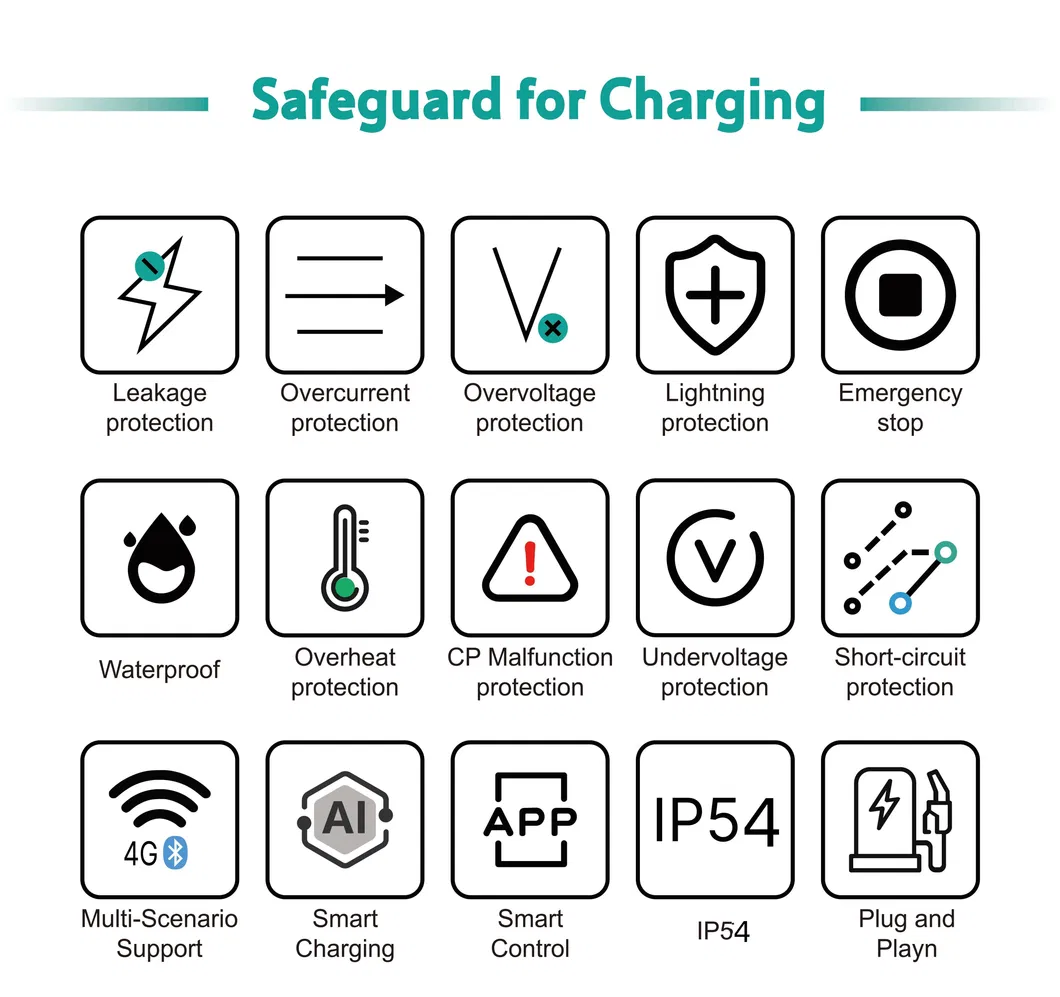
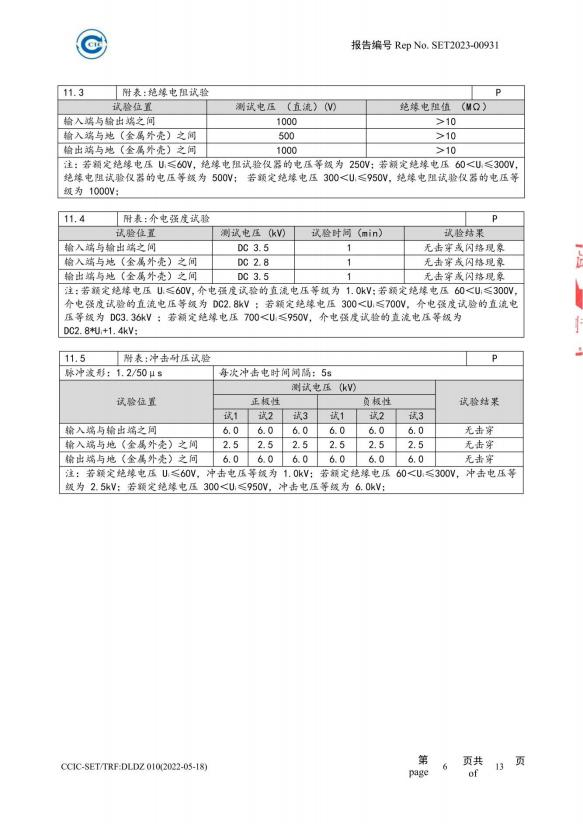
Safety FunctionsOvervoltage, Overload, Short circuit, Over temperature, Lightning protection, Emergency stop
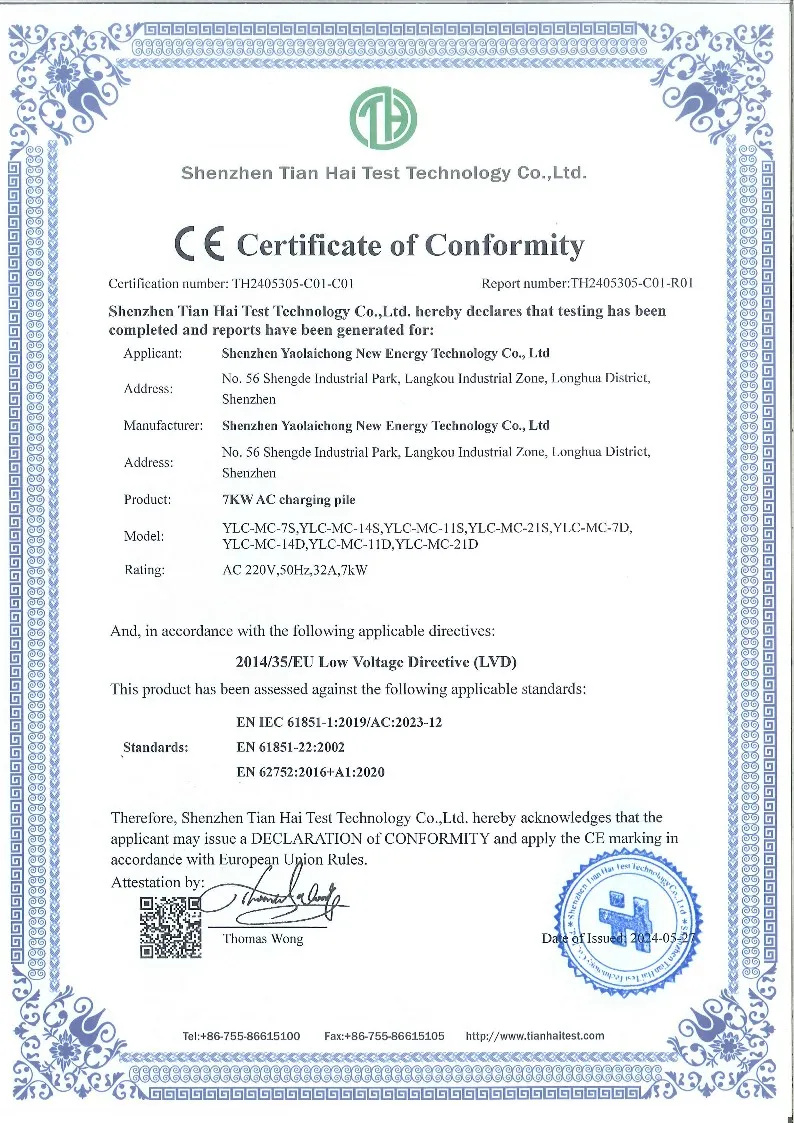
Certifications
Certification 1
Certification 2
Certification 3
Product Packaging
Packaging and Logistics
Frequently Asked Questions
Q1: Are you a professional manufacturer?
Yes, we are a professional EV charging station manufacturer with over 15 years of experience in the industry.
Q2: What is the main difference between AC and DC chargers?
The primary difference is where the power conversion happens. AC chargers rely on the vehicle's onboard converter, while DC chargers have the converter built-in, allowing them to feed power directly to the battery for much faster speeds.
Q3: Which DC fast charging standards do you support?
Our equipment supports global standards including CCS-1 (North America), CCS-2 (Europe), CHAdeMO (Japan), and GB/T (China).
Q4: Does higher output power always mean faster charging?
Not necessarily. The speed is limited by the vehicle's battery capacity. However, high-power chargers are future-proof and can often charge two vehicles simultaneously at high speeds.
Q5: How fast can a vehicle be charged?
Typically 20-30 minutes for a significant charge. Speed depends on the charger type (kW), the vehicle's onboard capacity, the battery's current state (charging slows down after 80%), and environmental temperatures.
Q6: What safety features are included?
Our units feature comprehensive protection including temperature detection, overvoltage/undervoltage protection, short circuit protection, insulation monitoring, and lightning protection.

Related Products