Explore our high-performance components manufactured under strict global standards for complex automotive, electrical, and cooling system assemblies.
The global heat dissipation landscape is undergoing a massive shift. As automotive architectures migrate toward high-voltage electromobility and heavy industrial processing demands intelligent, high-density heat exchange, the role of highly engineered radiator components has become more vital than ever. China's manufacturing ecosystems stand at the center of this transformation, leveraging world-class metallurgy, automated precision CNC tooling, and optimized supply chains to deliver unparalleled reliability and efficiency.
Modern industrial architectures depend fundamentally on thermal balance. From the high-voltage operations of new energy vehicles (NEVs) to the rigorous operational profiles of automated factories, overheating represents the single greatest vector for component degradation and system failure.
Global regulatory bodies, driven by energy efficiency standards and carbon reduction policies, are mandating that vehicles and machinery execute heat rejection cycles with minimum energy overhead. Consequently, thermal management is transitionary. Basic air-cooled heat exchangers are being replaced by complex liquid-cooled heat exchangers, precision engineered manifold chambers, and micro-channel structures designed to maximize boundary-layer heat transfer coefficient (HTC).
For procurement officers, sourcing these advanced components requires a partnership with a manufacturer that bridges raw metallurgical processing, tight CNC geometric tolerances, and rigorous certified testing environments under one roof.
The performance of any cooling assembly is directly proportional to its thermodynamic design and material integrity. Advanced radiator components utilize lightweight aluminum alloys (such as AL6063, AL3003, and AL6061) selected for their high thermal conductivity, corrosion resistance, and structural stability under high internal pressure and cyclic temperature fatigue.
Utilizing high-purity aluminum alloys optimized for Controlled Atmosphere Brazing (CAB). Provides excellent heat transfer and mechanical strength parameters.
Precision execution of complex geometries via 4-Axis CNC milling. Crucial for manufacturing non-standard cooling plates and automotive manifold blocks.
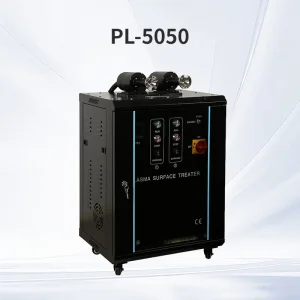
Pre-treatment phase using ionized plasma to remove organic contaminants. Ensures absolute surface preparation prior to vacuum brazing or laser welding.
| Component Group | Material Specification | Manufacturing Technology | Core Application Profile |
|---|---|---|---|
| Battery Liquid-Cooled Plates | Aluminum Alloy 3003 / 6063 | Extrusion + CNC Machining + Brazing | EV Battery Thermal Management (Pack cooling) |
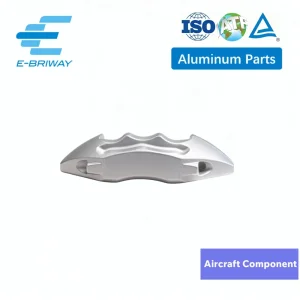
| High-Power Station Manifolds | Aluminum Alloy 6061-T6 | Multi-axis Precision CNC Machining | Liquid-Cooled Superchargers & Heavy-Duty Rectifiers |
| Industrial Valve & Hydraulic Blocks | Forged Aluminum / Carbon Steel | Precision Forging + Post-Machining Heat Treatment | Non-Standard Hydraulic Systems & Actuators |
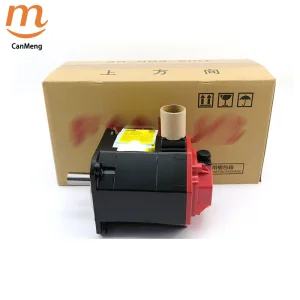
| Electronic Module Heat Sinks | Pure Copper / High-Conductivity Alum | Skiving, Cold Forging & Bonded Fin Methods | Spindle Motors, Inverters, & Power Supplies |
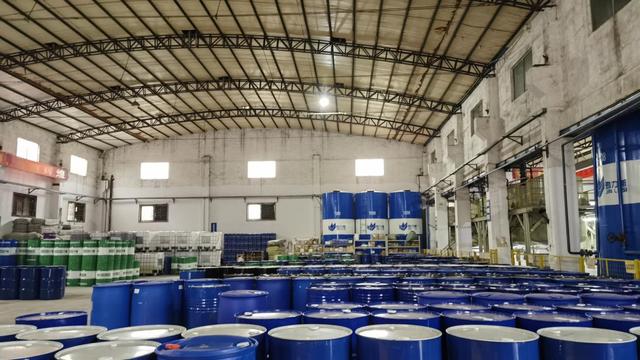
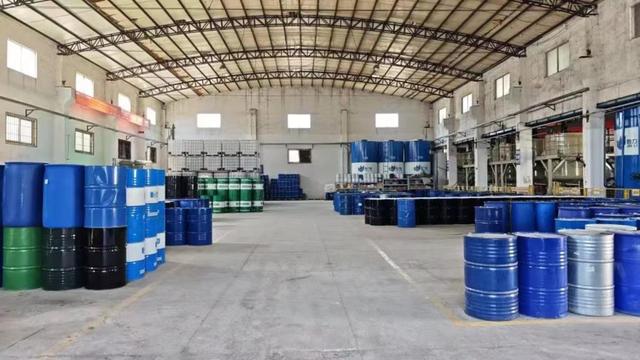
Dongguan SHE Auto Co., Ltd. is a professional manufacturer specializing in automotive components, including LED headlights, brake systems, charging infrastructure solutions, and precision machining components. Located in Dongguan, China, the company integrates research and development, manufacturing, quality control, and global sales to provide reliable and high-performance automotive parts for international markets.
With a strong technical team and advanced production facilities, SHE Auto is committed to delivering products that meet stringent industry standards for safety, durability, and efficiency. Our product range covers essential automotive systems such as lighting solutions for improved visibility, braking components for enhanced safety, and charging infrastructure that supports the rapid growth of electric vehicles. In addition, we provide precision-machined parts designed to meet exact specifications for various automotive applications.
Dongguan SHE Auto Co., Ltd. continuously invests in innovation and process optimization, utilizing modern equipment and strict inspection procedures to ensure consistent product quality. Our solutions are widely applied in passenger vehicles, commercial vehicles, and emerging electric mobility sectors.
We also offer customized manufacturing services tailored to specific client requirements, enabling flexible production and efficient supply chain support. Guided by the principles of quality, reliability, and customer satisfaction, SHE Auto is dedicated to building long-term partnerships and delivering value-driven automotive solutions to clients worldwide.
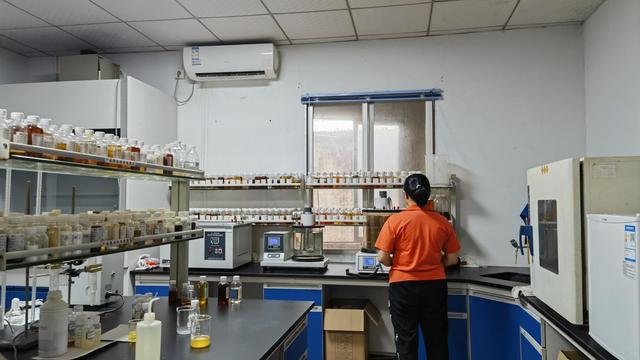
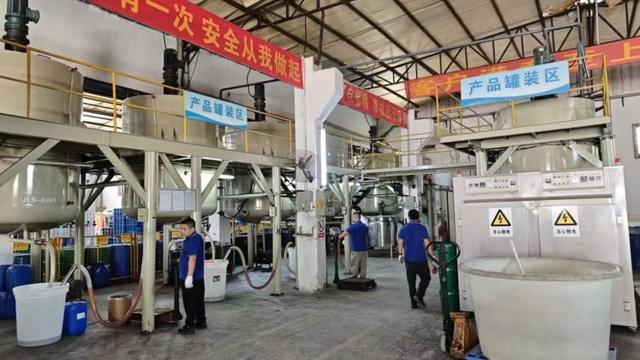
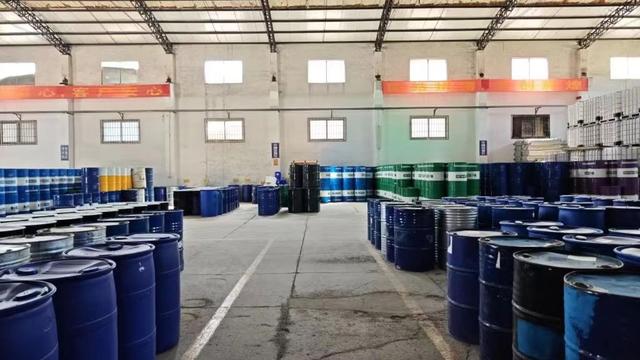
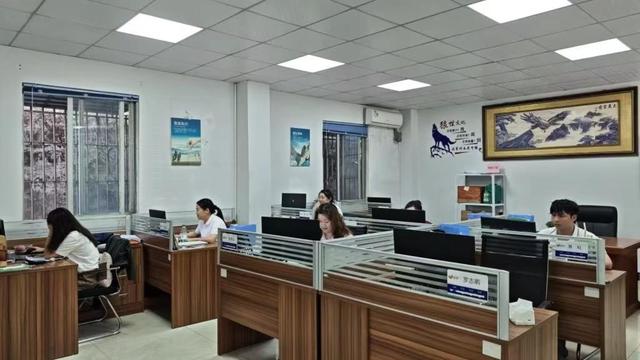
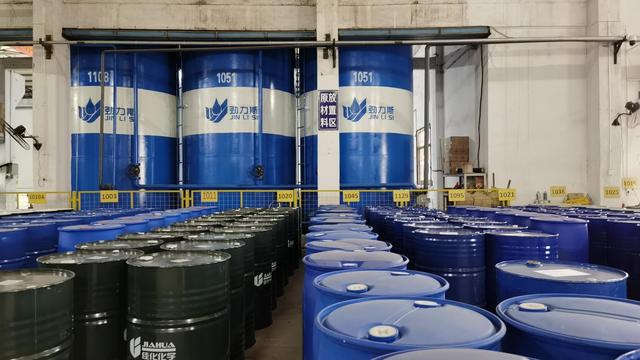
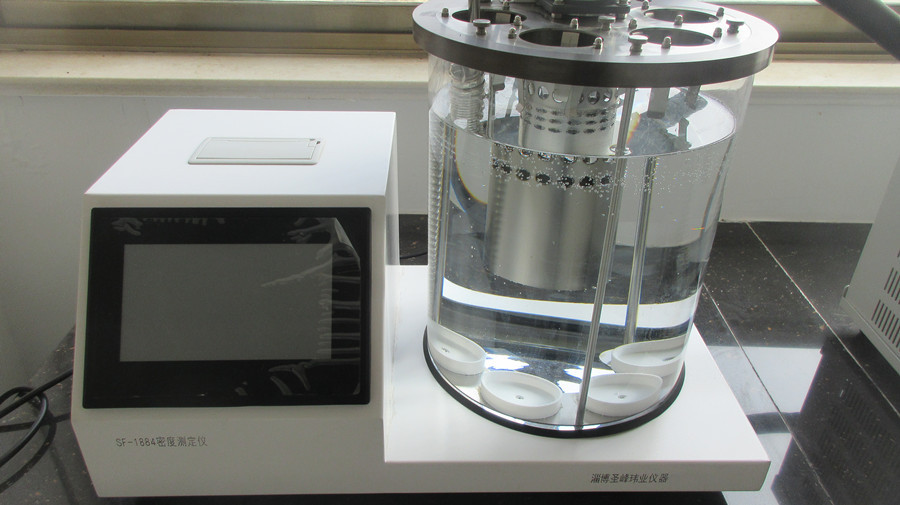
A radiator component does not operate in isolation. It forms the thermal dissipation interface within larger mechanical and chemical closed loops. To truly optimize efficiency, designers and engineers must look at the interactions between structural elements, lubrication media, and power electronics.
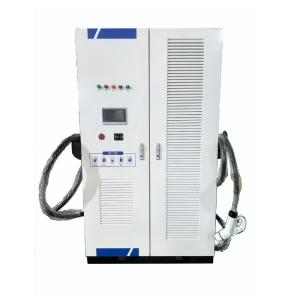
Integrating high-flow liquid cooling channels within fast-charging EV hardware. Ensures high-voltage cabling and electronics stay below critical thermal thresholds during 480kW supercharging cycles.
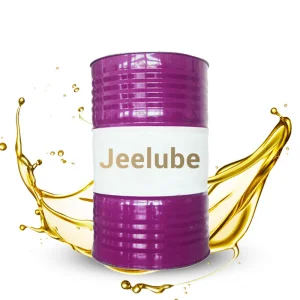
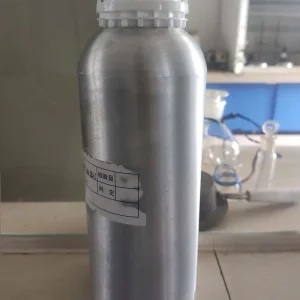
Utilizing specialized synthetic fluids like Polyol Ester (POE) Refrigeration Oils and premium high heat transfer efficiency lubricants (e.g., Jintherm-602) to match thermodynamic expectations and avoid galvanic corrosion inside channels.
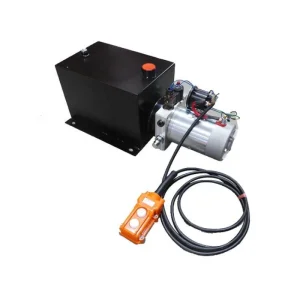
Integrating compact heat exchangers into non-standard diesel engine hydraulic power systems. Prevents oil oxidation, maintains steady operating viscosity, and extends pump lifetimes.
Browse detailed, engineering-focused answers to critical questions regarding design, sourcing, and operational implementation of high-performance cooling parts.
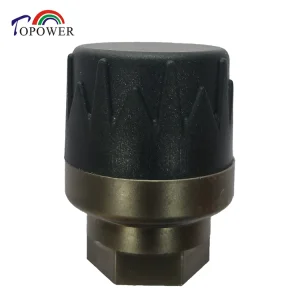
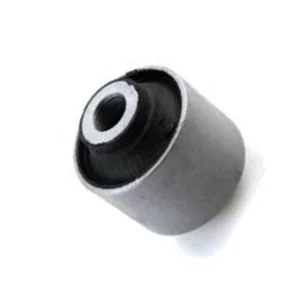
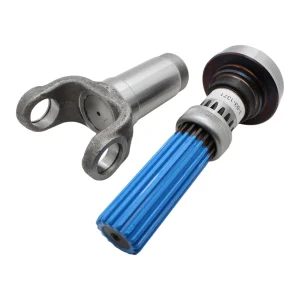
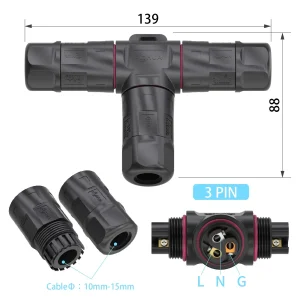
A selection of systems engineering solutions, connectors, and power transmission parts designed for harsh operating environments.
 SHE Auto