
The global automotive ecosystem is undergoing an unprecedented paradigm shift. Modern mobility is no longer defined strictly by mechanical engineering, internal combustion tolerances, or structural hydraulics. Today, vehicles are complex, software-defined computing platforms on wheels. At the center of this transformation are Automotive Control Modules—frequently categorized as Electronic Control Units (ECUs), Engine Control Modules (ECM), Body Control Modules (BCM), Powertrain Control Modules (PCM), and specialized Vehicle Control Units (VCU) for Electric Vehicles (EVs).
As OEMs accelerate the transition toward Autonomous Driving (AD), Advanced Driver Assistance Systems (ADAS), and Electrification (xEV), the demand for high-reliability microcontrollers, robust Controller Area Network (CAN/CAN-FD) bus communication, and high-density printed circuit board assemblies (PCBA) has skyrocketed. Procurement directors and automotive system integrators face a twin challenge: mitigating severe global semiconductor supply vulnerabilities while ensuring strict adherence to zero-defect quality standards, such as ISO 26262 (ASIL-D Functional Safety) and IATF 16949 certification.
To capture market leadership, global automotive control module factories are reinventing their engineering and manufacturing methodologies. Below are the critical technological pillars defining next-generation control modules:
Traditional vehicle architectures utilized point-to-point wiring to link single-function ECUs (e.g., dedicated modules for window controls, seat adjustments, or ABS). Leading manufacturers now design multi-core, high-performance computing platforms that aggregate multiple functions into localized "Zones" (Front, Left, Right, Rear). This shift requires control module factories to master complex high-layer PCB layout (12+ layers), advanced heat dissipation techniques (metal substrate plating, vapour chambers), and real-time operating systems (AUTOSAR Adaptive Platform).
The migration of battery electric vehicles (BEVs) to 800V architectures demands control units capable of managing high voltage, rapid switching speeds, and massive thermal energy. Vehicle Control Units (VCU) and Battery Management Systems (BMS) modules now routinely integrate Silicon Carbide (SiC) power electronics alongside sensitive microcontrollers, requiring stringent galvanic isolation, electromagnetic compatibility (EMC/EMI) shielding, and potting against environmental degradation.
With connected vehicles exposed to cyber threats, hardware security modules (HSM) are embedded directly within control module silicon. Factories must integrate secure provisioning during the manufacturing process—flashing unique cryptographic keys and digital certificates onto each ECU in an isolated, secure production environment.
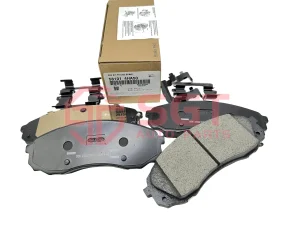
Dongguan SHE Auto Co., Ltd. stands as a distinguished engineering and manufacturing powerhouse specializing in high-reliability automotive components, advanced electronic systems, LED illumination technologies, precision braking components, EV charging infrastructure, and custom CNC components. Located in the global advanced manufacturing hub of Dongguan, China, the company vertically integrates R&D, surface mount technology (SMT), precision tooling, quality assurance, and international logistics.
With a deep commitment to global compliance and continuous technical advancement, SHE Auto empowers Tier-1 buyers and vehicle manufacturers across North America, Europe, Southeast Asia, and the Middle East by delivering agile, cost-resilient, and robust supply chain solutions.
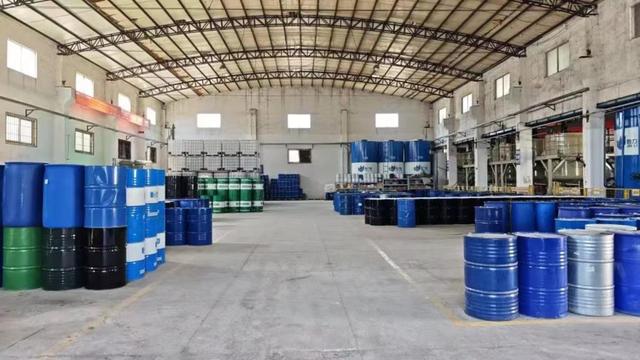

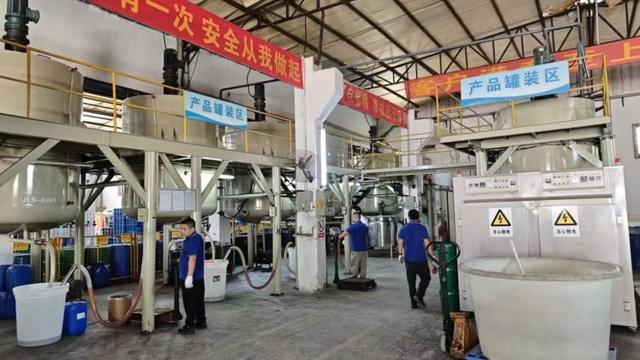
The global automotive supply chain landscape has shifted from "Just-in-Time" to "Just-in-Case" resiliency. In this context, China’s industrial ecosystem—specifically regions like Dongguan in the Pearl River Delta—offers unprecedented structural advantages for automotive module procurement:
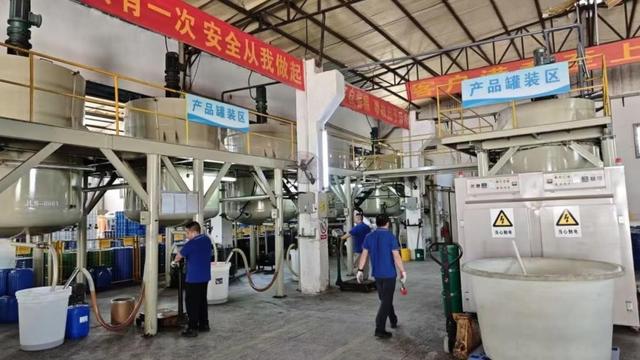
Within a 50-kilometer radius of Dongguan SHE Auto Co., Ltd., raw substrate suppliers, passive component manufacturers, automotive-grade micro-controller distributors, aluminum die-casting foundries, and automated testing labs co-exist. This hyper-dense clustering reduces prototype iteration cycles from months to days, allowing engineering teams to complete hardware-in-the-loop (HIL) validation far faster than western competitors.
Modern Chinese module factories utilize fully automated High-Speed Surface Mount Technology (SMT) lines equipped with 3D Automated Optical Inspection (AOI), 3D X-Ray Inspection (AXI) for Ball Grid Array (BGA) packages, and In-Circuit Testing (ICT). Automation eliminates human assembly error, maintaining stringent quality standards while drastically lowering per-unit production costs.

Based on global market share, manufacturing capability, innovation in zonal compute architectures, and supply chain reliability, the following are the world’s leading manufacturers and factories producing automotive control modules:
Bosch remains the undisputed global leader in automotive electronics. Renowned for inventing modern CAN-bus protocols and electronic stability programs (ESP), Bosch manufactures state-of-the-art vehicle computer platforms and micro-electromechanical systems (MEMS) sensors used by almost every global OEM.
Continental excels in architectural transformation. Their High-Performance Computer (HPC) units manage body electronics, network gateways, and connectivity across major passenger car platforms, pioneering the software-defined vehicle movement.
Backed by Toyota Group, Denso is world-renowned for exceptional thermal durability and zero-defect manufacturing. Their control modules excel in harsh under-hood environments, offering high resistance to vibration and thermal shock.
ZF’s ProAI supercomputing module provides AI-driven processing power for autonomous driving and advanced chassis control, bridging complex mechatronics with high-performance automotive software.
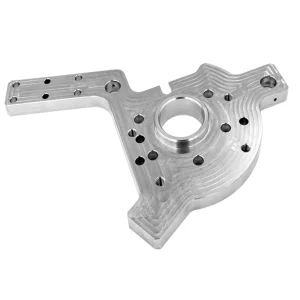
A leader in flexible OEM/ODM manufacturing, Dongguan SHE Auto Co., Ltd. integrates advanced circuit design, LED drive modules, brake system electronic controls, and custom CNC metal housing solutions. Recognized for rapid prototyping, robust lead times, and comprehensive international compliance.
Aptiv specializes in power distribution and central computing controllers. Their Smart Vehicle Architecture (SVA) separates software from hardware, giving carmakers modular control capabilities across diverse trim levels.
Magna’s electronic module division creates highly specialized electronic control units for all-wheel-drive systems, active aerodynamics, and electrified drivelines, blending software control with heavy mechanical integration.
Formed by the merger of Calsonic Kansei and Magneti Marelli, this supplier delivers high-end electronic control modules for matrix LED lighting, motorsport electronics, and powertrain management.
Valeo is a pioneer in driving assistance modules and electric vehicle thermal controllers. Their modules optimize energy consumption between battery cooling circuits and passenger HVAC systems.
As the primary tier-1 technology provider for Hyundai and Kia, Hyundai Mobis manufactures high-integrity safety modules, steer-by-wire domain units, and integrated brake control systems.
Control modules are not one-size-fits-all components. Depending on the deployment environment and vehicle architecture, modules must fulfill hyper-specific functional demands:
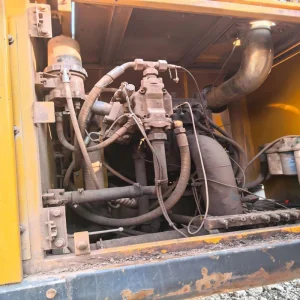
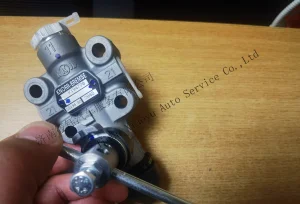
Long-haul trucks, buses, and heavy equipment demand industrial-grade module construction. Centralized lubrication modules (such as the Xr280e system) and heavy pneumatic braking control valves (such as the Knorr Sv1395) require localized protection against high vibrational stress, moisture ingress (IP69K rating), and extreme thermal cycling ranging from -40°C to +125°C.
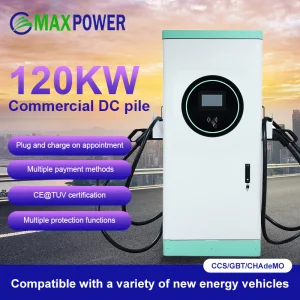
Modern AC/DC EV charging stations act as external control modules interacting directly with the vehicle's onboard battery management ECU. Compliance with OCPP 1.6/2.0 protocols, RFID verification, 4G cloud telematics, and dual CCS2/GB-T gun balance management ensures seamless energy handshakes and safe high-power transfer.
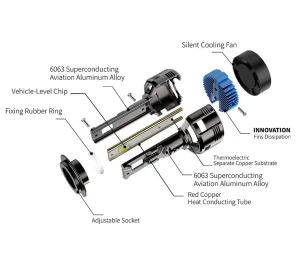
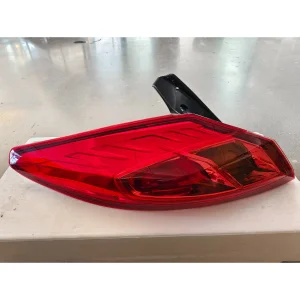
Modern dynamic LED headlight systems demand lighting control units capable of real-time Canbus signal decoding. By analyzing steering angle, elevation, and speed sensors, these modules adjust individual micro-LED diodes in milliseconds to illuminate curves without dazzling oncoming traffic.
 SHE Auto