When it comes to electric vehicles (EVs), understanding how do charging stations work for electric vehicles is crucial. The rise of EVs brings both excitement and questions. Many drivers want to know what happens when they plug in. Is it as simple as charging a smartphone?
Charging stations are vital to the EV ecosystem. They come in various types, each serving different needs. Some are fast chargers, while others offer slower options. Each station has unique protocols and connectors that can sometimes confuse users. The technology behind these stations is evolving. However, not all stations are equally reliable or accessible.
Despite their expansion, some locations may still lack the necessary infrastructure. Real-world experiences often reveal challenges. Lines can be long at busy stations. Not every driver feels comfortable navigating the details of charging. As the industry grows, the understanding of how charging stations function will continue to improve. This knowledge will empower more people to embrace electric vehicles. It’s an exciting journey with both benefits and hurdles.
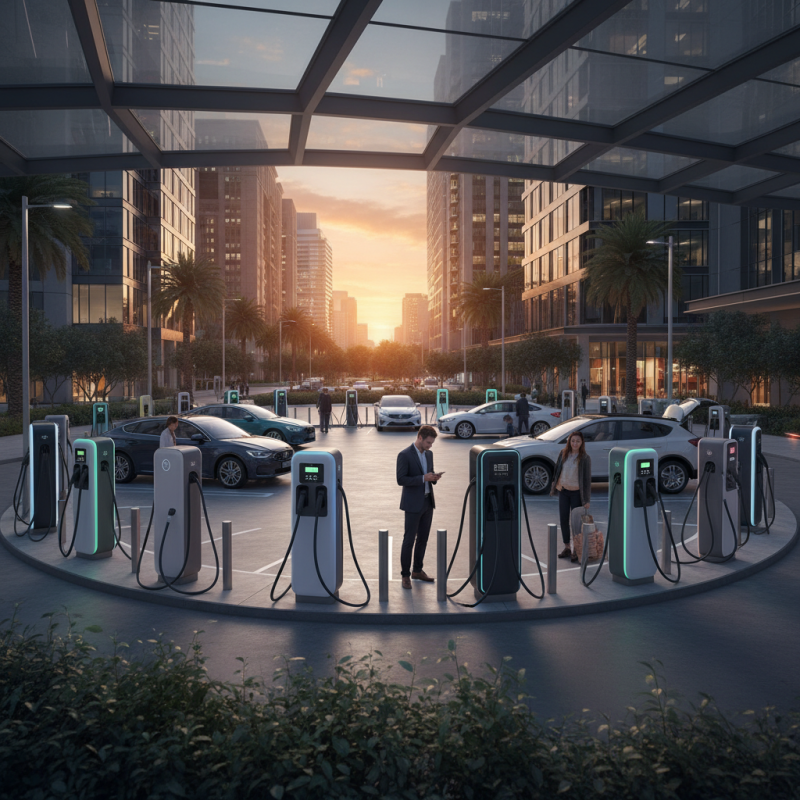
Electric vehicles (EVs) rely on various charging stations to recharge their batteries. Understanding the types of charging stations can help users make informed choices. The main types of charging stations include Level 1, Level 2, and DC fast charging.
Level 1 charging uses a standard home outlet. It is the slowest option, typically providing about 4 to 5 miles of range per hour. Ideal for overnight charging, it’s convenient but not the fastest solution. Many EV owners find it sufficient for daily use. Level 2 charging is more popular for public and private locations. It uses a dedicated 240-volt outlet, delivering about 25 miles of range per hour. This is suitable for places like workplaces and shopping centers.
DC fast charging stations stand out for their speed. These can recharge an EV to 80% in about 30 minutes. However, they are less common and may not be available in all regions. Each type of charging station has its purpose and limitations. Users need to consider their driving habits and charging needs when choosing a charging solution. What works for one driver may not suit another, leaving room for personal exploration and discovery.
Charging an electric vehicle (EV) depends significantly on the chosen charging level. There are three main levels: Level 1, Level 2, and DC fast charging. Level 1 uses a regular household outlet. It offers about 4-5 miles of range per hour. This method is slow, taking up to 24 hours for a full charge. Many users find this inadequate, especially with larger batteries.
Level 2 chargers, on the other hand, increase charging speed significantly. They typically deliver 10-20 miles of range per hour. According to a study by the U.S. Department of Energy, around 80% of EV owners use Level 2 chargers at home. The charging time is more manageable, taking 4 to 8 hours for a full charge, making it ideal for overnight charging.
DC fast chargers provide an even quicker solution, adding 60 to 100 miles of range in just 20-30 minutes. Though they are less common, their increased availability is critical for long-distance travel. However, they are expensive to install and can raise concerns about battery degradation. The balance between charging speed and battery health remains a discussion point. Understanding these levels is essential for EV owners to make informed decisions about their charging habits.
| Charging Level | Charging Power (kW) | Time to Charge (0-100%) | Typical Use Case |
|---|---|---|---|
| Level 1 | 1.4 | 20-40 hrs | Home Charging |
| Level 2 | 4.0 - 19.2 | 4-8 hrs | Public Charging Stations |
| DC Fast Charging | 50 - 350 | 30 min - 1 hr | Highway Charging |
| Level 3 (Ultra Fast) | 150 - 800 | 15-30 min | Rapid Charging Networks |
| Battery Swap | N/A | 3-5 min | Flexible Solutions |
Electric vehicle (EV) charging stations play a vital role in the adoption of sustainable transportation. Understanding their key components is crucial for a reliable charging experience. A typical EV charging station consists of a power source, charging units, and a user interface. The power source supplies electricity, while charging units convert it into a compatible form for the vehicle.
Another essential component is the communication system. This system ensures that the car and charging station interact effectively. It relays information such as charging speed and battery status. Safety features are also vital, protecting users and vehicles from potential hazards. Though these components seem straightforward, issues can arise. Malfunctions in any of these systems can lead to frustrating experiences.
Installation and maintenance are often overlooked but are critical for optimal performance. Regular checks can prevent downtime and ensure all components function properly. Despite advancements, challenges remain in standardizing charging technology. Improving interoperability across different EV models is essential for the future. Addressing these gaps will enhance user trust and promote wider adoption of electric vehicles.
When it comes to charging stations for electric vehicles (EVs), safety is paramount. Various safety standards ensure that these installations are reliable and secure. The National Electric Code (NEC) is a key regulation in the United States. It outlines electrical safety requirements that must be followed during installation. Compliance with NEC minimizes the risk of electrical fires or malfunctions.
In addition to NEC, other standards apply locally. Organizations like Underwriters Laboratories (UL) provide certification for charging equipment. This certification guarantees that the station meets rigorous testing for safety and performance. It adds a layer of trust for consumers. Yet, not all charging stations undergo these evaluations. This inconsistency can lead to unreliable charging experiences.
Moreover, installations must adhere to local zoning regulations. Often, these regulations can vary significantly from one area to another. They may affect the placement of charging stations. Ensuring proper site selection is crucial. A poorly placed station can lead to accessibility issues. Users may find themselves struggling to charge their vehicles at inconvenient locations. Balancing safety, regulation compliance, and user access is a complex challenge in the evolving landscape of EV charging infrastructure.
The expansion of electric vehicle (EV) charging station infrastructure plays a crucial role in boosting EV adoption rates. According to a report by the International Energy Agency, the number of public EV charging points must triple by 2030 to meet climate targets. This highlights the urgent need for robust infrastructure. Currently, many potential EV owners cite a lack of charging stations as a significant barrier to adoption.
Data shows that regions with extensive charging networks see a higher rate of EV registrations. For example, California reported a 50% increase in EV sales following the installation of thousands of new charging stations. Adequate coverage in urban areas reduces range anxiety for drivers. However, rural regions still face challenges.
Nevertheless, a lack of standardization in charging technology can lead to confusion. Some stations provide fast charging while others offer slow options. This inconsistency can deter users. Continuous investment in clearer policies is necessary to ensure a seamless charging experience. Building a comprehensive and user-friendly charging network remains essential for the future growth of EVs.
: An EV charging station consists of a power source, charging units, and a user interface.
It ensures effective interaction, relaying vital information like charging speed and battery status.
Regular checks can prevent malfunctions and improve the overall reliability of the charging experience.
A lack of charging infrastructure is a major barrier for many potential EV owners.
Regions with extensive networks see higher EV registrations, as seen in the increased sales in California.
Rural regions often lack adequate charging infrastructure, causing additional anxiety for potential EV drivers.
Yes, some stations offer fast charging while others do not, leading to user confusion.
Continuous investment in clearer policies and standardized technology is needed for a seamless experience.
Malfunctions in any components, such as the power source or communication system, can create issues.
A well-designed user interface enhances the overall charging experience and accessibility for users.
Charging stations play a crucial role in the adoption and usability of electric vehicles (EVs). To understand how do charging stations work for electric vehicles, it’s important to explore the various types of charging stations available, ranging from Level 1 to Level 3 chargers, each offering different charging speeds and times. The infrastructure of these stations, which includes key components such as power supply units, connectors, and user interfaces, greatly influences how effectively they serve EV users.
Moreover, safety standards govern the installation and use of charging stations, ensuring they operate safely and efficiently. The presence and accessibility of charging stations are also pivotal in shaping EV adoption rates, as potential users often consider charging convenience when deciding to switch from traditional vehicles to electric ones. Overall, understanding these aspects not only clarifies how charging stations function but also highlights their significance in the broader context of sustainable transportation.

SHE Auto