Understanding what materials are used in brake components is crucial for automotive safety and performance. The right materials enhance braking efficiency, durability, and resistance to wear. According to a study by the Society of Automotive Engineers, nearly 30% of brake-related issues stem from material failure.
Experts like Dr. Alice Thornton, a leading material scientist in the automotive field, emphasize, "The choice of materials directly impacts the safety and reliability of brake systems." This statement highlights the importance of examining the common materials that make up brake components.
The industry frequently employs cast iron, composites, and ceramics. Each material offers unique advantages, impacting thermal management and friction characteristics. However, the industry's reliance on certain materials raises questions about sustainability and long-term performance. A thorough exploration of the top materials will not only shed light on their advantages and drawbacks but also suggest areas for improvement in future designs.
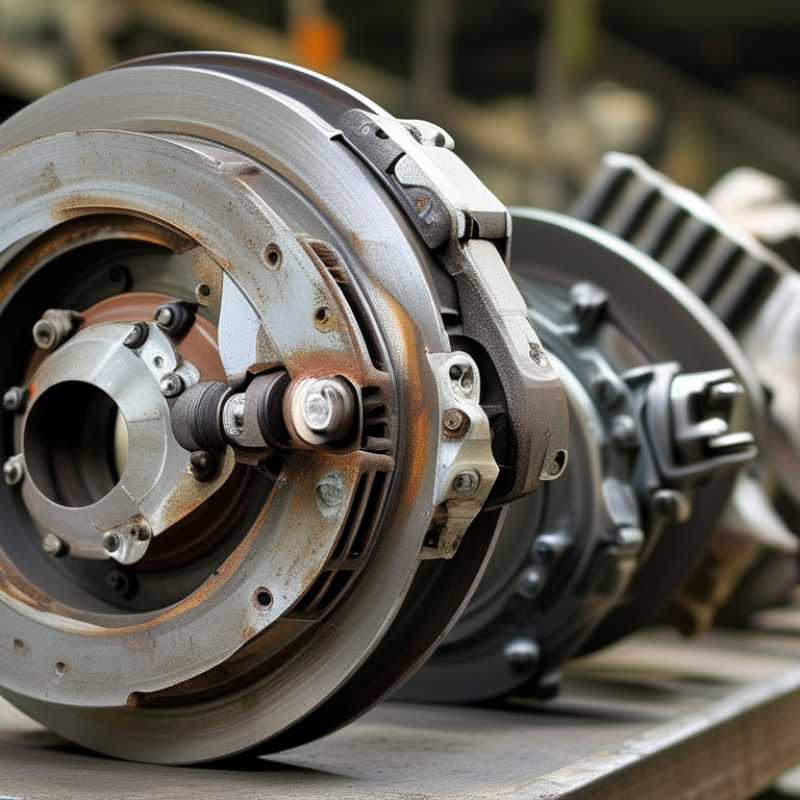
Key Characteristics of Brake Components Materials
When it comes to brake components, the choice of materials significantly impacts performance and safety. Typically, brake pads are made from materials like ceramic, semi-metallic, and organic compounds. Each material offers different levels of friction and heat resistance. For instance, ceramic pads tend to produce less dust and noise, although they may wear more quickly under extreme conditions.
The metal components, such as rotors and calipers, rely on high-strength materials like cast iron and aluminum. Cast iron provides excellent heat dissipation but can be heavy. On the other hand, aluminum is lighter and offers better performance but may not handle heat as effectively. Understanding these properties is critical for anyone involved in brake system maintenance or design. Inadequate material selection can lead to premature wear or even failure of the braking system.
Many personalities in the automotive industry stress the importance of selecting the right material for specific driving conditions. For instance, racing conditions demand more heat resistance and durability, while regular street use may prioritize comfort and noise reduction. As technology advances, new composites and alloys emerge, promising improved safety and performance. However, choosing the right material remains a nuanced task that requires careful consideration of various factors.
Commonly Used Materials in Brake Pads and Their Benefits
Brake pads are crucial for vehicle safety. They are designed to create friction against the brake rotor. This process slows down or stops the vehicle efficiently. Different materials are used in brake pads, each offering unique advantages.
Metallic pads are popular due to their durability. They provide excellent braking performance under high temperatures. However, they can be noisy and may wear down rotors faster.
Organic pads, made from materials like rubber and resins, are quieter and gentler on rotors. Yet, they may wear out more quickly under rigorous driving conditions.
Ceramic pads blend strength and quiet performance. They emit less dust, keeping wheels cleaner. However, they tend to be pricier.
Hybrid pads combine various materials, aiming to balance performance and comfort. Choosing the right material depends on your driving style and vehicle needs. Understanding these options helps ensure safety and efficiency.
Comparative Analysis of Brake Disc Materials
Brake discs play a critical role in a vehicle's stopping power. They are a point of comparison when choosing brake components. Common materials include cast iron, carbon composites, and ceramics.
Cast iron is traditional and durable but can warp under extreme conditions. It's affordable, which appeals to many. However, it lacks the thermal performance of newer materials.
Carbon composite discs provide lightweight advantages. They are highly efficient at dissipating heat. This reduces the risk of brake fade during high-performance driving. Yet, they can be more expensive. Not all users need this level of performance. It raises questions about whether the investment is worth it for everyday driving.
Ceramic discs offer a unique blend of performance and longevity. They are resistant to wear and generate less dust. This means they help keep wheels cleaner. However, their cost can be a concern. Some drivers may not notice a significant difference.
Evaluating your driving habits can guide your choice. Understanding the pros and cons of each material is vital. This knowledge empowers you to make informed decisions about brake systems.
Material Considerations for Brake Calipers and their Performance
Brake calipers are crucial for vehicle safety. They apply pressure to the brake pads, creating friction and slowing down the vehicle. The materials used in calipers greatly influence performance, longevity, and heat management. According to industry reports, aluminum is a popular choice for calipers due to its lightweight properties and resistance to corrosion. However, this material may not dissipate heat as effectively as others.
Cast iron is another common material. It provides excellent durability and heat management. Research shows that cast iron calipers can withstand higher temperatures without warping, yet their weight can impact vehicle performance. Some manufacturers are exploring composite materials that combine the benefits of both aluminum and cast iron. These advanced composites offer promising resilience, but they remain expensive and are not widely adopted.
Material choices directly affect braking efficiency and vehicle handling. A brake caliper with poor material may lead to brake fade, compromising safety. Continual testing and innovation are essential to enhance material properties. Industry professionals suggest that ongoing research is needed to optimize these components further. Balancing weight, heat resistance, and cost remains a challenge in brake caliper design.
Top 10 Materials Used in Brake Components
Innovations in Brake Component Materials for Enhanced Safety
Innovations in brake component materials are crucial for enhancing vehicle safety. Modern advancements focus on durability, performance, and weight reduction. Materials like carbon-carbon composites and ceramic composites are becoming popular. They offer better heat resistance and friction characteristics. These materials can withstand extreme conditions, reducing brake fade and improving stopping power.
Tips: Regularly check brake components for wear. Ensure that innovative materials are part of your maintenance plan. This proactive approach can prevent accidents.
Another promising direction is the use of metal matrix composites. They combine metal with fibers for strength and weight management. Such materials improve the lifespan of brake components. However, they may not be suitable for all driving conditions, requiring careful application.
Tips: Consider your driving habits when choosing brake materials. Research is vital before implementing new technologies in your vehicle. Embrace continuous learning to ensure safety.
Top 10 Materials Used in Brake Components You Need to Know
| Material |
Properties |
Applications |
Innovations |
| Cast Iron |
High strength, good wear resistance |
Disc brake rotors |
Enhanced thermal management properties |
| Carbon Composite |
Lightweight, high performance |
High-performance brakes in motorsports |
Improved friction characteristics |
| Ceramic |
Low dust, quiet operation |
Passenger car brake pads |
Eco-friendly and reduced noise levels |
| Stainless Steel |
Corrosion-resistant, durable |
Brake lines and caliper components |
Improved longevity in harsh environments |
| Aluminum Alloys |
Lightweight, good heat dissipation |
Calipers and brackets |
Advanced melting processes for lighter components |
| Organic Materials |
Low noise, high comfort |
General brake pads for daily drivers |
Sustainable sources and manufacturing |
| Metallic Compounds |
High performance, good temperature stability |
Heavy-duty trucks and performance cars |
Innovative alloys for better heat resistance |
| Graphite |
Self-lubricating, high temperature resistance |
Brake linings |
Advanced formulations for reduced wear |
| Reinforced Plastics |
Lightweight, strong |
Brake shields and covers |
Improved impact resistance |
| Titanium |
High strength-to-weight ratio |
Specialized brake components |
Future applications in luxury and performance vehicles |
FAQS
: Brake pads are typically made from ceramic, semi-metallic, and organic compounds.
Ceramic pads produce less dust and noise but may wear quickly under extreme conditions.
Inadequate material selection can lead to premature wear or failure of the braking system.
Aluminum and cast iron are commonly used for brake calipers due to their performance characteristics.
Aluminum calipers are lightweight and resistant to corrosion but may not dissipate heat effectively.
Cast iron calipers provide excellent durability and heat management, withstanding higher temperatures without warping.
Balancing weight, heat resistance, and cost is a continuous challenge in designing brake calipers.
Some manufacturers are exploring composite materials, promising resilience but often at a higher cost.
A brake caliper with poor material may lead to brake fade, compromising vehicle safety.
Yes, continual testing and innovation are essential to enhance material properties and performance.
Conclusion
When exploring what materials are used in brake components, it is essential to understand their key characteristics, which influence performance and safety. Common materials in brake pads, such as organic, semi-metallic, and ceramic composites, offer unique benefits ranging from noise reduction to improved braking performance. Additionally, a comparative analysis of brake disc materials, including cast iron and carbon-carbon composites, highlights their respective strengths in durability and weight.
Brake calipers also play a crucial role, with considerations for materials like aluminum and stainless steel affecting their performance and heat management. Moreover, ongoing innovations in materials are enhancing brake component safety, aiming to improve overall vehicle performance while meeting regulatory standards. Understanding these material choices is vital for anyone interested in the automotive industry.

 SHE Auto