In today's automotive and industrial sectors, the choice of lubricant can deeply impact performance and longevity. Among various types, synthetic and mineral lubricants stand out. But what is the difference between synthetic and mineral lubricants? Industry experts have been exploring this distinction for years. According to Linda Grayson, a senior lubricant technologist at Synthetics Inc., "Understanding lubricant composition is vital for optimal machinery operation."
Recent reports indicate that synthetic lubricants typically perform better under extreme temperatures. For instance, a study by the American Society of Lubrication Engineers highlights that synthetic oils can operate efficiently in temperatures as low as -40°F, whereas many mineral oils begin to lose effectiveness much earlier. This performance boost can lead to improved engine protection and extended oil change intervals.
However, mineral lubricants are often perceived as more cost-effective. Many users still rely on conventional mineral oils due to their lower initial price. This decision, however, may overlook longer-term savings from using synthetic lubricants. It’s essential to weigh short-term costs against potential benefits. Understanding these factors may require deeper reflection on your specific needs and operating conditions.
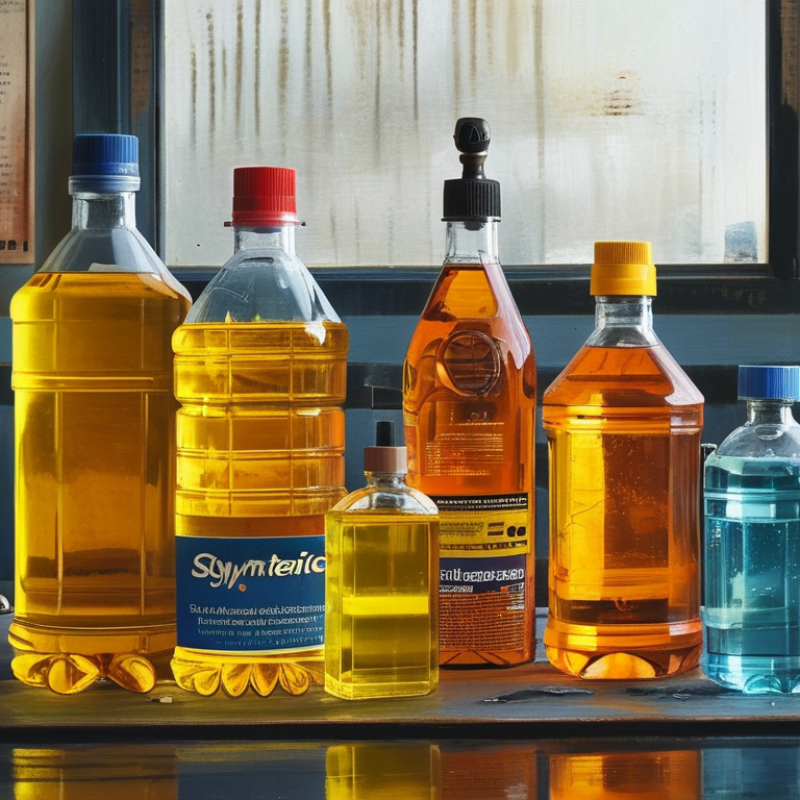
When comparing synthetic lubricants to mineral lubricants, one must consider their fundamental properties. Synthetic lubricants are artificially engineered. They contain tailored additives to enhance performance. In contrast, mineral lubricants are derived from crude oil. Their structure is more variable, leading to inconsistencies in performance.
Temperature stability is a major difference. Synthetic oils withstand extreme temperatures better than their mineral counterparts. This stability reduces the risk of breakdown, providing better engine protection. Additionally, synthetic lubricants tend to have lower volatility. This characteristic means they evaporate less, retaining their effectiveness over time.
Another aspect is the viscosity index. Synthetic lubricants often feature a higher viscosity index, ensuring reliable performance across a range of temperatures. However, they may have a higher initial cost. This raises questions about long-term value. Many benefit from using synthetic options, yet some still prefer mineral oils for their established reliability and cost-effectiveness. Weighing these factors can help consumers make informed decisions, taking personal needs into account.
| Properties | Synthetic Lubricants | Mineral Lubricants |
|---|---|---|
| Base Oil Source | Chemically engineered | Crude oil derived |
| Thermal Stability | High resistance to temperature changes | Less stable at high temperatures |
| Viscosity Index | Higher viscosity index | Lower viscosity index |
| Oxidation Resistance | Excellent oxidative stability | Prone to oxidation |
| Additive Compatibility | Compatible with a wide range of additives | Limited additive compatibility |
| Environmental Impact | Lower environmental footprint | Higher environmental impact |
| Cost | Generally more expensive | Low cost |
| Shelf Life | Longer shelf life | Shorter shelf life |
| Lubrication Effectiveness | Superior lubrication performance | Effective but less efficient |
| Applications | High-performance engines and machinery | General machinery and engines |
: Synthetic lubricants can be 2-4 times more expensive than mineral lubricants.
Yes, they often last longer, reducing maintenance costs over time.
They have a significantly lower price compared to synthetic options.
They may lead to 20-30% higher maintenance costs due to more frequent oil changes.
They maintain viscosity at higher temperatures and reduce engine wear.
Yes, older engines often work better with mineral oils due to their simpler designs.
Many believe synthetic oils are unnecessary for older engines, which is not always true.
Engine type, intended use, and climate can all impact lubricant effectiveness.
They should assess engine design, intended use, and their own driving conditions.
As synthetic formulations improve, the price gap may decrease over time.
The article "China Top 10 Differences Between Synthetic and Mineral Lubricants" delves into the critical aspects that differentiate synthetic lubricants from their mineral counterparts. One of the primary discussions focuses on the properties of synthetic lubricants, which often offer superior performance due to their uniform molecular structure and enhanced thermal stability. Cost analysis highlights that while synthetic lubricants tend to have a higher initial price, their longevity and efficiency can result in lower overall costs over time.
Additionally, the article examines compatibility with various engine types, noting that synthetic lubricants may provide better protection and performance in high-performance engines. Environmental impact is also a significant consideration, as synthetic lubricants generally have a smaller ecological footprint. Lastly, the performance of both types in extreme conditions reveals that synthetic lubricants often excel due to their resistance to breakdown under intense heat and pressure. In summary, understanding "what is the difference between synthetic and mineral lubricants" is essential for informed decision-making regarding lubrication choices.

 SHE Auto