Top 5 Types of EV Charging Stations You Should Know?

Time:2026-05-22 Author:Henry
0%

Electric vehicles (EVs) are transforming the transportation landscape. As more people adopt this technology, the need for efficient charging infrastructure grows. Understanding what types of EV charging stations are available is crucial for both users and businesses.

John Smith, an industry expert in EV technology, states, "Choosing the right charging station can enhance the EV experience." There are several types of charging stations, each designed for specific needs and environments. Level 1 chargers, commonly found at home, provide convenience but can be slow. Level 2 chargers offer faster charging options, ideal for workplaces and public areas. Finally, DC fast chargers cater to quick refueling on highways, appealing to long-distance travelers.

Despite the growing options, there remains confusion about the best choice for different users. Some may overlook important factors such as charging speed, availability, and installation costs. It's essential to reflect on personal charging habits and needs. As electric vehicle adoption continues, navigating the landscape of charging stations becomes increasingly important.
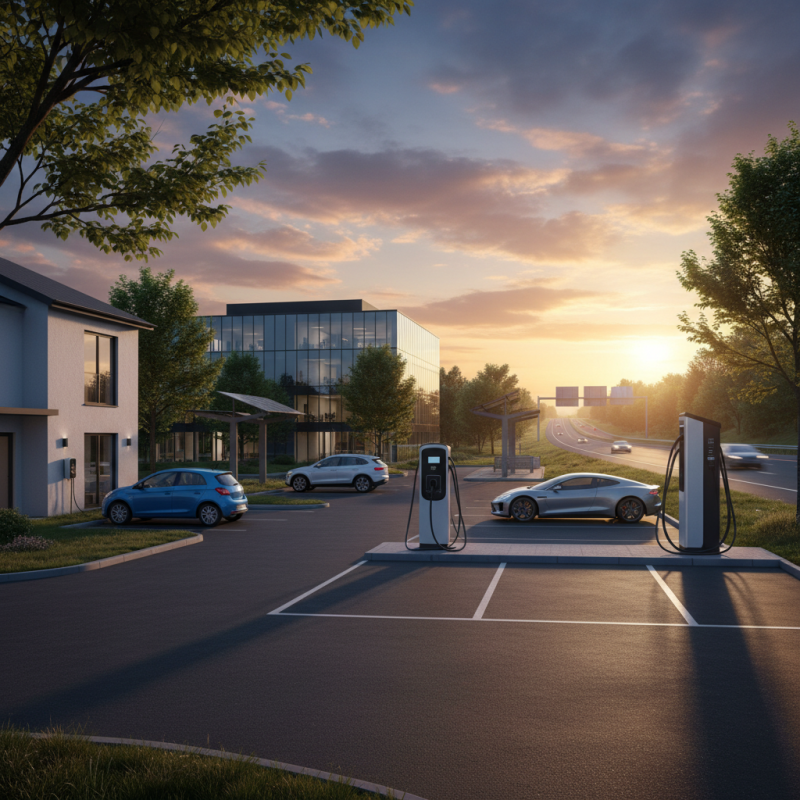
Top 5 Types of EV Charging Stations You Should Know?

Types of EV Charging Stations: An Overview

Electric vehicle (EV) charging stations come in various types, each serving different needs. Understanding these types can greatly enhance the charging experience for EV users. Level 1 chargers typically use a standard 120-volt outlet. They are the slowest but are ideal for home charging overnight. According to the Electric Power Research Institute (EPRI), about 80% of EV charging occurs at home. Level 1 might not be sufficient for all owners, especially those needing a quick charge.

Level 2 chargers operate at 240 volts and offer a faster charging experience. They are common in public stations and businesses. A study by the U.S. Department of Energy found that Level 2 chargers can provide up to 25 miles of range per hour of charging. This option is increasingly favored in urban areas where time efficiency is essential. However, installation costs can be high, which may deter some property owners from investing in this infrastructure.

DC fast chargers are the most advanced type, able to charge an EV to 80% in just 30 minutes. While they provide convenience, the proliferation of DC fast chargers still faces limitations. Many locations lack the infrastructure to support these stations. Additionally, the dependence on fast chargers can lead to issues like battery degradation over time. A balanced approach to charging station diversity is crucial for the sustainable growth of EV adoption.

Top 5 Types of EV Charging Stations You Should Know

Type of Charging Station Charging Speed Typical Use Case Installation Location
Level 1 2-5 miles/hour Home Charging Residential garages
Level 2 10-25 miles/hour Public Charging Shopping centers, workplaces
DC Fast Charging 60-80 miles/30 minutes Long-Distance Travel Highway rest stops
Tesla Supercharger Up to 200 miles/30 minutes Rapid Charging for Tesla Dedicated Tesla stations
Wireless Charging Varies Convenient Charging Home or designated areas

Level 1 Charging: The Most Basic Option for Home Use

Level 1 charging is the most basic option for electric vehicle (EV) owners. It utilizes a standard 120-volt outlet, making it highly accessible in many homes. This type of charging is simple and does not require specialized equipment. You can plug your EV into any regular wall socket. However, this convenience comes with limitations.

Charging time is a significant drawback. Level 1 chargers typically provide about 4-5 miles of range per hour. For daily commuters, this might mean a full night of charging just to cover the day’s travel. It works best for those with short commutes, where overnight charging is sufficient. Yet, for longer trips, this slow charging rate can be frustrating.

Another aspect to consider is the impact on your home's electrical system. Over time, frequent use of a standard outlet might wear down the circuit. This raises potential safety concerns. Additionally, not all homes may have outlets in convenient locations. Planning your EV charging infrastructure can become essential to avoid these pitfalls.

Top 5 Types of EV Charging Stations You Should Know

This chart illustrates the average charging times for different types of electric vehicle (EV) charging stations. As EV adoption grows, understanding these charging options becomes essential for all drivers.

Level 2 Charging: Faster Charging for Residential and Commercial Use

Level 2 charging stations are transforming the landscape of electric vehicle (EV) charging. They are designed for both residential and commercial use, offering a balanced solution for speed and accessibility. These stations typically deliver 240 volts, providing a charging rate of 10 to 60 miles of range per hour, depending on the EV model. According to industry reports, almost 40% of EV owners prefer Level 2 chargers due to their efficiency and the convenience they offer at home or work.


When examining the usage patterns, the growth of Level 2 charging is noteworthy. The U.S. Department of Energy indicates that installations of Level 2 charging stations are increasing by more than 30% annually. Still, there are challenges. Installation costs can deter some property owners. The average installation price ranges between $1,200 to $2,500, depending on electrical upgrades needed. There's also a lack of uniformity in charging infrastructure, which can affect user experience.


Despite these hurdles, the demand for Level 2 charging stations continues to rise. Cities are investing in this technology, aiming to foster a more sustainable environment. However, the rollout needs a strategic approach, focusing on areas with high EV adoption. As the market evolves, addressing these concerns will be essential for maximizing the benefits of Level 2 charging.

DC Fast Charging: Rapid Recharging for Electric Vehicles on the Go

DC Fast Charging stations are a game changer for electric vehicle (EV) users. These stations provide rapid recharging, making long-distance travel more feasible for EV owners. With charging times reduced to as little as 30 minutes, drivers can quickly get back on the road. This efficiency caters to busy lifestyles and enhances the overall EV experience.

Tips for using DC Fast Charging: Always check the availability of charging stations along your route. In busy areas, stations might be occupied. Arrive prepared with snacks or a book for the waiting time. Also, remember that not all EVs are compatible with high-speed chargers. Verify compatibility to avoid delays.

While DC Fast Charging is a fantastic option, it’s not without limitations. The charging process creates heat, which can impact battery life over time. Frequent high-speed charging can lead to long-term degradation of battery performance. Balancing fast charging with regular, slower charging at home might be wise for optimal battery health. Always monitor your battery’s condition to make informed decisions.

Wireless Charging: The Future of Effortless Electric Vehicle Charging

Wireless charging is gaining traction in the electric vehicle (EV) market. This technology allows EV owners to charge their cars without the need for physical connections. According to a report from the International Energy Agency, the number of EVs on the road is expected to reach 250 million by 2030. With this increase, the demand for convenient charging solutions is essential.

Wireless charging systems use electromagnetic fields to transfer energy. This method offers several advantages. For instance, it eliminates wear and tear on charging ports. However, the efficiency of wireless charging can be lower compared to traditional methods. Reports indicate that its efficiency ranges between 80% and 90%. This gap in efficiency raises questions about the practicality of large-scale adoption.

Additionally, installation costs for wireless charging pads can be significant. Many homeowners and businesses may hesitate to invest in this emerging technology. Trials and pilot programs are crucial. Collecting data from these initiatives can help stakeholders gauge effectiveness. As the industry progresses, refining wireless charging technology could lead to substantial improvements.

FAQS

: What is Level 1 charging?

: Level 1 charging uses a standard 120-volt outlet. It is simple and accessible for most home users.

How long does it take to charge an EV with Level 1 charging?

It provides about 4-5 miles of range per hour. This slow rate may require overnight charging for daily commutes.

Are there any safety concerns with Level 1 charging?

Frequent use can wear down your home's electrical circuit, potentially raising safety concerns over time.

What is DC Fast Charging?

DC Fast Charging allows rapid recharging, providing significant range in as little as 30 minutes, ideal for long trips.

What should I check before using a DC Fast Charging station?

Always verify station availability along your route. Busy stations may be occupied, causing delays during your travels.

Does fast charging affect battery life?

Yes, frequent high-speed charging can lead to battery degradation. Balance it with regular slower charging for good health.

How does wireless charging work?

Wireless charging uses electromagnetic fields to transfer energy. No physical connection is required, making it convenient for users.

What are the efficiency levels of wireless charging?

Wireless charging efficiency typically ranges between 80% and 90%. This can affect its appeal for widespread adoption.

What are some downsides of wireless charging?

Installation costs can be high. Many people may hesitate to invest without proof of effectiveness from pilot programs.

Why is monitoring battery condition important?

Keeping an eye on battery performance can help you make informed charging decisions, ensuring longevity and efficiency.

Conclusion

Electric vehicles (EVs) are becoming increasingly popular, and understanding what types of EV charging stations are available is essential for both potential owners and current users. The most basic option is Level 1 charging, which is ideal for home use and offers slower charging speeds through standard household outlets. For those seeking faster charging capabilities, Level 2 charging stations are available, suitable for residential and commercial locations, significantly reducing charging time.

For drivers on the go, DC Fast Charging stations provide rapid recharging, allowing EVs to refuel in a matter of minutes rather than hours. Looking towards the future, wireless charging technology presents an innovative approach to EV charging, enabling effortless connection and recharging without the need for physical plugs. Overall, understanding these various types of EV charging stations enhances the EV ownership experience and supports the transition to more sustainable transportation.

Henry

Henry

Henry is a dedicated marketing professional with a profound expertise in the company's offerings. With years of experience in the industry, he possesses an impressive understanding of the market dynamics and consumer behaviors that drive success. Henry is committed to sharing his insights through......