How to Select the Best LED Headlights for Your Vehicle?

Time:2026-05-05 Author:Oliver
0%

When considering how to select LED headlights for vehicles, it's crucial to recognize the significance of proper illumination. The right headlights improve visibility, enhance safety, and elevate the overall driving experience. Not all LED headlights are created equal, and the multitude of options can be overwhelming. This guide will help you navigate the intricacies of selecting suitable headlights.

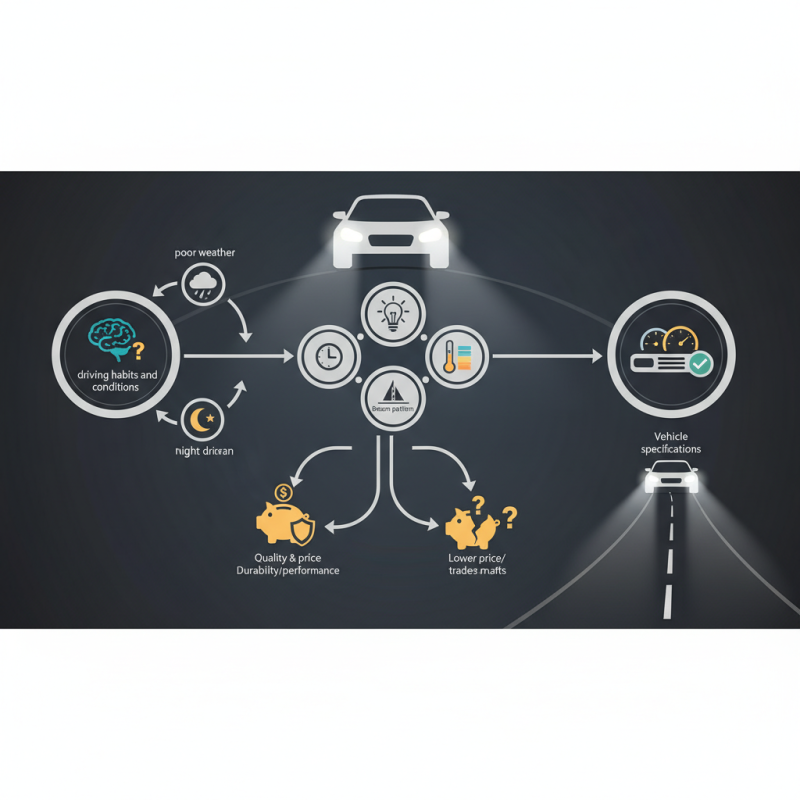
Before diving into specific features, it's important to reflect on your driving habits and conditions. Do you frequently drive at night or in poor weather? Understanding your needs will shape your selection process. You must evaluate factors like brightness, color temperature, beam pattern, and lifespan. Each factor contributes to how effectively your new headlights will serve you in real-world situations.

Selecting LED headlights involves balancing quality and price. High-quality options may come with a higher cost but offer durability and better performance. A lower price point may tempt you, but consider the potential trade-offs. The aim is not just to illuminate the road, but to do so reliably and safely. Therefore, assess your options carefully to ensure they meet your vehicle's specifications and your personal driving needs.
How to Select the Best LED Headlights for Your Vehicle?

Understanding LED Headlights: Types and Benefits

LED headlights have transformed vehicle lighting with superior technology. They come in various types, including standard LED, projector, and xenon. Understanding these options is vital. According to a report by the Department of Energy, LED headlights can last up to 25,000 hours, significantly outlasting traditional bulbs.

The benefits of LED headlights are clear. They are energy-efficient, consuming about 75% less energy than incandescent bulbs. This not only translates to lower energy bills but also less strain on your vehicle’s electrical system. Moreover, the brightness of LED lights enhances visibility. Studies show that drivers using LED headlights experience fewer nighttime accidents.

However, not all LED headlights are created equal. Some may have a colder color temperature, which can be perceived as harsh and uncomfortable. The installation process also varies widely. It can range from a straightforward plug-and-play to more complex setups requiring professional help. Understanding these nuances can help you make an informed choice.

Key Factors to Consider When Choosing LED Headlights

Choosing the right LED headlights for your vehicle can greatly enhance your driving experience. Several key factors come into play when making your selection. One critical aspect is brightness. LED headlights vary in lumens output. Higher lumen ratings mean brighter lights, but it's essential to avoid being blinded by excessively bright options. Striking a balance is crucial.

Color temperature is another significant factor to consider. Most LED headlights offer a range of color temperatures measured in Kelvin. A temperature around 6000K provides a cool white light, which can improve visibility in various conditions. However, some drivers prefer warmer tones for a softer look. What feels best can vary from person to person, so researching different options can help find what works for you.

Quality is often overlooked yet vital. Check reviews and ratings to gauge reliability. It's common to find low-quality products that may flicker or burn out quickly. Durability also matters; headlights should withstand weather elements and last for years. Think about how often you'll use them. If you frequently drive at night or in inclement weather, investing in durable lights is wise. Always reflect on your choices to ensure they meet your specific driving needs.

Assessing Compatibility with Your Vehicle's Electrical System

When selecting LED headlights, compatibility with your vehicle's electrical system is crucial. The first step is to check your car’s manual. It contains specifications about wattage and voltage. LED headlights require specific power levels to function correctly. Mismatched components can lead to flickering or failure.

Next, consider your vehicle's wiring. Older systems may not support modern LED technology. This mismatch can cause overheating or damage. Use a multimeter to measure voltage at the headlight socket. Ensuring proper voltage is key. You might need an adapter or a relay harness for a perfect fit.

Think about how installation processes vary. Some headlights require modifications or additional components. Others might fit directly with no hassle. Reflect on your own skills. If you’re unsure about wiring, consult a professional. A reliable installer can save you from potential mistakes. Compatibility is about more than just size; it also involves ensuring that each part works in harmony.

How to Select the Best LED Headlights for Your Vehicle? - Assessing Compatibility with Your Vehicle's Electrical System

Feature Description Importance
Wattage The power consumption of the LED headlights, which should match your vehicle's specifications. High
Lumens Output Brightness level of the headlights; higher lumens generally provide better visibility. High
Color Temperature Refers to the color of the light emitted; ranges from warm yellow to cool blue. Medium
Compatibility Ensure the LED headlights are suitable for your make and model of vehicle. High
Lifespan Expected duration before the lights start to dim or fail, typically 30,000 hours or more. Medium
Beam Pattern The shape and direction of the light beam; should match original equipment for optimal performance. High
IP Rating Ingress Protection rating that indicates the resistance to dust and water. Medium
Heat Dissipation Effectiveness of the LED in managing heat to avoid damage and ensure longevity. Medium

Comparing Brightness and Beam Patterns for Optimal Visibility

When selecting the best LED headlights, evaluating brightness and beam patterns is crucial. Brightness, measured in lumens, directly affects visibility. Studies show that headlights with around 2,000 to 4,000 lumens offer optimal illumination without blinding oncoming drivers. The appropriate brightness varies based on driving conditions.

Beam patterns also play a significant role. A well-distributed beam ensures visibility without dark spots. There are different patterns: flood, spot, and combination. Flood patterns are ideal for city driving, while spot patterns excel on highways. It's essential to find a balance to cover both close and distant areas.

Tips: Always consider the color temperature. A range of 5,000K to 6,500K offers better visibility in rainy or foggy conditions. Also, look for headlights with adjustable beams. This feature allows for customization based on your needs. Remember, not all vehicles have the same headlight housing. Refer to your vehicle’s specifications for the best fit.

Evaluating Brand Reputation and Customer Reviews

When selecting LED headlights, brand reputation plays a crucial role. A well-regarded brand often reflects years of expertise and innovation in automotive lighting. Researching manufacturers’ histories can reveal valuable insights into their product reliability and technology. Look for brands that prioritize quality in their production process. Check if they comply with industry standards and certifications.

Customer reviews offer another layer of understanding. Look for feedback on brightness, longevity, and ease of installation. Customers often share experiences that highlight both advantages and drawbacks. Some users report overheating issues or problems with beam patterns. Others appreciate enhanced visibility in low-light conditions. Reading varied reviews helps paint a more comprehensive picture.

Pay attention to the frequency of common complaints. If many users note similar issues, it may indicate a serious flaw. On the other hand, positive feedback can signal a trustworthy product. Engaging with online forums or social media groups can also provide real user experiences. These platforms let you interact with other vehicle owners and gain firsthand advice. Be mindful of potential biases in reviews, but use them as a guide to making an informed decision.

Customer Satisfaction Ratings for LED Headlights

FAQS

: What are the advantages of LED headlights?

: LED headlights are energy-efficient, lasting longer than traditional bulbs. They use 75% less energy and enhance visibility.

How long do LED headlights typically last?

LED headlights can last up to 25,000 hours, significantly more than standard incandescent bulbs.

How do I ensure compatibility with my vehicle?

Check your car’s manual for specifications. Confirm voltage and wattage to avoid flickering or failure.

What should I consider about installation?

Installation can vary. Some setups are easy, while others may require professional help or modifications.

Are all LED headlights the same quality?

No, quality varies. Some headlights can have colder color temperatures, which might be harsh for some drivers.

How can customer reviews help in my decision process?

Reviews provide insights on brightness and longevity. They can also highlight common issues like overheating or installation challenges.

What role does brand reputation play?

A reputable brand usually means better reliability and quality. Researching a brand’s history can provide helpful insights.

Is there a risk of overheating with LED headlights?

Yes, some users report overheating issues. It's important to read reviews to gauge this risk before purchasing.

How can I measure the voltage at my headlight socket?

Use a multimeter to check the voltage. Ensuring proper voltage is crucial for LED headlights to function well.

Conclusion

When considering how to select LED headlights for vehicles, it is essential to understand the different types and benefits that LED technology offers. LED headlights provide improved visibility, energy efficiency, and longevity compared to traditional headlights. To make an informed choice, factors such as compatibility with your vehicle's electrical system, the brightness and beam patterns for optimal visibility, and evaluations of brand reputation and customer reviews should all be taken into account.

By carefully assessing these key aspects, drivers can ensure they choose the best LED headlights that not only enhance their vehicle's aesthetics but also significantly improve driving safety, particularly in low-light conditions. Prioritizing these considerations will lead to a well-informed decision that meets personal preferences and driving needs.

Oliver

Oliver

Oliver is a seasoned marketing professional with a wealth of expertise in driving brand awareness and engagement. With a deep understanding of our company's product offerings, he consistently delivers high-quality content that enriches our professional blog. His insights not only shed light on......