Brake systems play a crucial role in vehicle safety and performance. However, excessive noise can undermine their effectiveness. Understanding how to reduce noise in brake systems is essential for enhancing overall driving experience. Noise often stems from vibrations and friction between components, which can lead to wear over time.
Effective strategies involve selecting quality materials and ensuring precise installation. Experts recommend using noise-dampening pads to minimize sound levels. Regular maintenance and proper adjustments also contribute to quieter operations. Drivers should also be aware of their driving habits, as aggressive braking may exacerbate noise issues.
Despite numerous solutions, it's important to acknowledge that achieving complete silence is unrealistic. Some noise may persist even after implementing these measures. Continuous reflection on brake performance and noise levels can guide improvements. Ultimately, reducing noise not only boosts vehicle performance but also elevates driver confidence.
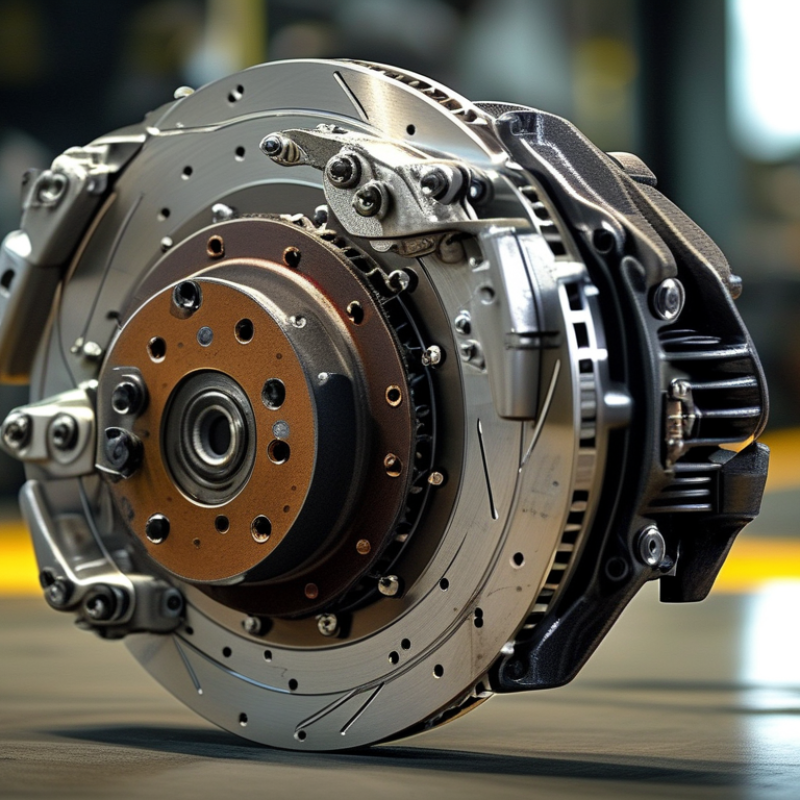
Brake systems play a crucial role in vehicle safety. The noise produced during braking can be indicative of underlying issues. Loud squeaks or grinding sounds often signal worn components. Ignoring these noises can lead to more severe problems, compromising the vehicle's stopping power.
In addition to performance, noise can distract drivers. A noisy brake system may create panic or confusion in critical moments. Drivers must focus entirely on the road. Any distraction could lead to accidents. Maintaining quiet and effective brakes is not just about comfort; it's about ensuring safety for everyone on the road.
The relationship between noise and safety is complex. Some drivers might be unaware of how noise impacts their vehicle's functionality. Regular inspections can catch problems early. Effective noise reduction strategies improve both performance and safety. Investing in quality brake components pays off. It enhances reliability and provides peace of mind while driving.
Brake noise is often more than just an annoyance; it can indicate underlying issues within the system. Research from industry reports shows that noise can impact a vehicle’s overall performance. For instance, squeaking or grinding sounds may suggest that brake pads are worn unevenly or that there is improper alignment in the brake components. Such factors can lead to decreased braking efficiency and increased stopping distances.
The relationship between brake noise and system performance is critical. A study published by the National Highway Traffic Safety Administration highlights that vehicles with significant brake noise may experience a 15% reduction in braking performance. This reduction can jeopardize safety under high-stress conditions. Moreover, frequent noise can lead to driver anxiety and reduced trust in the vehicle's performance, affecting driving behavior.
Reducing noise in brake systems is not merely about comfort. Effective noise reduction techniques, like improved materials and enhanced design, can improve performance significantly. A report by the Automotive Research Institute emphasizes that addressing noise can enhance the lifespan of brake components by up to 30%. Failing to address brake noise might mean neglecting critical performance aspects of your vehicle, leading to costly repairs down the road.
Brake systems are crucial for vehicle safety. However, noise generated during braking can be a significant issue. Several factors contribute to this unwelcome sound. One key factor is the friction materials used in brakes. Harder compounds can produce more noise. The friction between pads and rotors often creates vibrations, leading to audible sound.
Another element is the environmental conditions. Moisture, dust, or dirt can affect performance. When brakes are applied, contaminants can create a scraping or squealing noise. Additionally, installation quality plays a role. Improperly installed brake components can result in misalignment. This misalignment can lead to uneven wear and increased noise levels.
Lastly, the design of the brake system itself impacts noise generation. Complex caliper designs can create conditions for resonance. Each of these factors reflects on overall performance. Understanding these elements can help in reducing noise. Addressing the root causes will lead to quieter, more efficient brake systems.
Brake noise can be a significant concern for drivers and manufacturers alike. Several strategies exist to tackle this issue effectively. One common method involves using noise-dampening materials. These materials can absorb sound and reduce vibrations in the braking system. They are often integrated into brake pads and linings to enhance performance.
Another approach is to refine the design of brake components. Optimizing the geometry of calipers or rotors can help minimize noise generation. This design innovation can lead to quieter braking, improving the overall driving experience. Testing these designs in real-world conditions is essential to ensure their effectiveness.
Additionally, regular maintenance plays a crucial role in noise reduction. Worn-out components can produce loud squeaks or grinding sounds. Regularly checking and replacing parts can prevent these issues. However, maintenance practices may not always be consistent. This inconsistency can lead to unpredictable noise levels. Addressing these challenges requires a commitment to continuous improvement in both technology and user practices.
Noise in brake systems can significantly affect vehicle performance. Reducing this noise not only enhances brake efficiency but also improves the driver’s overall comfort. A quieter braking system leads to less distraction, allowing drivers to focus on the road. Moreover, minimizing noise can indicate a smoother operation, which often correlates with safer braking performance.
Experiencing consistent noise during braking can indicate wear or misalignment. This situation requires immediate attention. Regular maintenance checks are crucial to ensure all components function harmoniously. Checking for loose parts or worn pads can prevent noise issues.
Drivers can adopt simple habits to contribute to noise reduction. Avoid abrupt braking whenever possible. Gradual stopping reduces friction and noise levels. Additionally, investing in high-quality brake components can lead to improved performance. Proper installation of these parts is vital for maximizing efficiency and comfort. Regular servicing can further mitigate noise problems, keeping the system in optimal condition.
: Brake systems are crucial for ensuring vehicle safety. They directly affect stopping power.
Loud squeaks or grinding sounds often signal worn components. Ignoring these noises can worsen problems.
Noisy brakes can create panic, distracting drivers during critical moments. This distraction may lead to accidents.
Several factors include the type of friction materials, environmental conditions, and installation quality.
Moisture, dust, or dirt can cause scraping or squealing when brakes are applied. These contaminants affect performance.
Using noise-dampening materials and optimizing design can effectively minimize brake noise. Regular maintenance is also crucial.
Regular checks and replacements can prevent loud squeaks and grinding sounds, enhancing safety.
Improper installation can lead to misalignment, resulting in uneven wear and increased noise levels.
Inconsistent maintenance practices can lead to unpredictable noise levels. Continuous improvement is essential.
Yes, refining the geometry of brake components can minimize generated noise, improving the driving experience.
Reducing noise in brake systems is crucial for enhancing vehicle performance and ensuring safety. Noise in brake systems can impact driver perception and comfort, potentially leading to distraction and decreased vehicle control. Understanding the connection between brake noise and overall system performance is essential, as excessive noise often indicates underlying issues that could compromise functionality.
To effectively reduce noise in brake systems, it is important to consider factors contributing to noise generation, such as material selection, design, and component wear. Implementing strategies and technologies, including vibration dampening, improved lubrication, and quality control in manufacturing, can significantly enhance brake efficiency. Consequently, knowing how to reduce noise in brake systems not only improves vehicle performance but also elevates driver comfort, leading to a more pleasant driving experience.

SHE Auto