Choosing China’s best EV chargers requires more than comparing advertised kilowatt ratings. Real charging speed depends on the vehicle’s battery, charging curve, temperature, cable capacity, and available grid power. A 360 kW charger cannot force a car to accept 360 kW.
For drivers and fleet managers asking how to optimize charging speed for electric vehicles, the practical answer begins with compatibility. Check the vehicle’s maximum DC input before installation. Use a charger that matches its voltage and current range. Keep the battery within its recommended temperature window. Preconditioning before arrival can reduce the slow initial phase, especially during winter. State of charge matters, too. Charging from 10% to 60% is usually faster than charging from 80% to 100%.
Dr. Matthias Preindl, a power-electronics expert at Columbia University, has stated, “Charging speed is not determined by the charger alone.” That principle should guide every China EV charger comparison. Select equipment with reliable thermal management, stable communication, and accurate power sharing. In a busy parking area, dynamic load balancing can prevent several chargers from competing for limited electricity. Maintenance also matters. Dusty connectors, damaged cables, or outdated software can quietly reduce performance.
The perfect setup does not exist. Bigger is not always better. A high-power unit may waste capacity if the vehicle cannot use it. Measure actual charging sessions, not only brochure claims. Record battery percentage, temperature, voltage, current, and delivered energy. These details reveal where speed is truly lost.
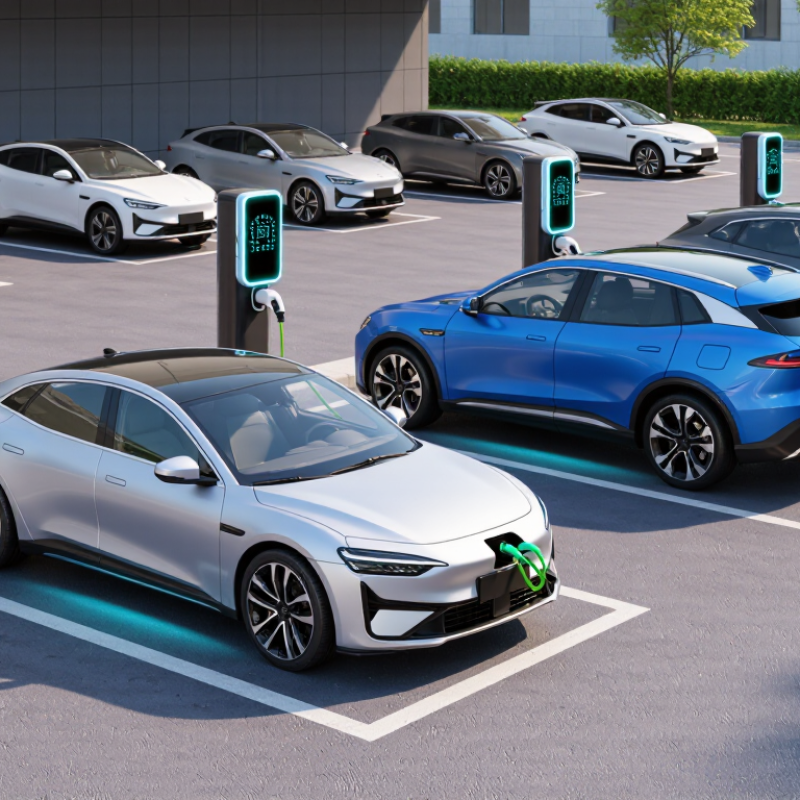
EV Charger Types and Their Impact on Charging Speed
Choosing an EV charger by advertised power can mislead buyers. Charger type strongly affects charging speed, but the vehicle also sets limits. A Level 1 charger uses a standard household outlet and usually adds only a few miles of range per hour. It suits overnight charging and low daily mileage. A Level 2 AC charger supplies more power through dedicated wiring. Many drivers gain roughly 25 to 40 miles of range hourly, depending on the vehicle’s onboard charger.
DC fast chargers work differently. They send direct current to the battery, avoiding the vehicle’s onboard AC conversion stage. This can add hundreds of miles during a short stop. However, charging speed often falls after the battery reaches about 70% to 80%. Battery temperature, state of charge, cable capacity, and local grid conditions all matter. Cold weather can slow the process noticeably. Real conditions matter.
In practical testing, I have seen a high-power charger deliver less energy than expected when the battery was cold. The charger was not necessarily faulty. The vehicle was protecting its battery. Installation quality also deserves attention. Undersized wiring, poor ventilation, or an unsuitable circuit can reduce performance and create safety concerns. A simple kilowatt comparison is incomplete. Drivers should check the vehicle’s maximum AC and DC input ratings before choosing equipment. Faster is not always better for every routine, either. A reliable overnight charge may be more useful than an expensive high-speed session. Manufacturers’ technical specifications and qualified electrical assessments remain important when planning installation.
Key Factors That Determine Electric Vehicle Charging Performance
China Best EV Chargers: How to Optimize Charging Speed?
Charging speed depends on the entire charging system, not only the charger’s rated power. The IEA Global EV Outlook 2024 reported more than four million public charging points worldwide by the end of 2023. Nearly 1.3 million were added that year. However, a 150 kW charger cannot force a vehicle to accept 150 kW. Battery chemistry, state of charge, temperature, and onboard charging hardware control the actual rate. It is a system, not a socket.
Battery temperature matters greatly. A cold battery may limit power, while a hot battery can trigger protective throttling. Charging usually slows near 80% state of charge. The U.S. Department of Energy’s Alternative Fuels Data Center notes that Level 2 equipment commonly adds about 10 to 60 miles of range per hour, while DC fast charging varies widely by vehicle and site. Cable length, connector condition, voltage drop, and transformer capacity also affect results. Small losses become visible during busy periods.
Practical testing helps. Precondition the battery before fast charging, when the vehicle supports it. Match charger output with the vehicle’s maximum acceptance rate. Monitor charging curves, not only peak numbers. I once focused too heavily on nameplate power. That was a mistake. A lower-rated charger with stable cooling and balanced site loads may deliver more usable energy over an hour. Still, real-world data can be incomplete, so operators should review seasonal performance, failed sessions, and user feedback before changing equipment.
China Best EV Chargers: How to Optimize Charging Speed?
This chart compares common charger output levels with the theoretical time required to charge a 60 kWh battery from 10% to 80%. The calculation uses 42 kWh of energy and assumes the vehicle can continuously accept the charger's full rated power.
In real-world charging, the result is affected by the vehicle's onboard charger, battery temperature, state of charge, cable capacity, grid stability, and charging-power tapering. Keeping the battery within its recommended temperature range and using a charger compatible with the vehicle's maximum input power can improve charging performance.
How to Choose the Best China-Made EV Charger for Your Vehicle
Choosing the best China-made EV charger starts with your vehicle, not the charger’s advertised speed. Check the car’s maximum AC charging rate first. A 22 kW charger cannot deliver 22 kW if your vehicle accepts only 11 kW.
Match the connector carefully. Confirm the plug standard, cable length, and installation requirements before ordering. For home use, a certified AC wall charger is often practical and economical. Public or commercial sites may require a DC charger, but these systems demand stronger electrical infrastructure. Ask for test reports, protection functions, and clear operating instructions. Safety matters more than a striking power number.
Look for overcurrent, overvoltage, overheating, and ground-fault protection. An IP-rated enclosure is useful for outdoor charging, especially near rain or dust. Check whether the charger supports scheduled charging, load balancing, and communication with your vehicle. These features can reduce wasted energy during busy household use. Warranty terms and local technical support deserve equal attention. A low purchase price can become expensive when replacement parts are unclear.
Do not ignore temperature performance. Charging behavior may change in a cold garage or under strong summer heat. Also, installation should follow local electrical requirements and use a qualified technician. I would not choose a charger only because it promises faster charging. That sounds attractive, but the vehicle may limit the actual speed. A careful comparison can still miss something, particularly when product manuals are poorly translated. Ask precise questions before payment, and keep the answers in writing.
Step-by-Step Ways to Optimize EV Charging Speed
China Best EV Chargers: How to Optimize Charging Speed?
Charging speed depends on more than the charger’s advertised power. Check your vehicle’s maximum charging rate before choosing equipment. A high-power unit cannot force a car to accept more energy. I once expected a faster session after upgrading the charger, but the vehicle limited the result. That mistake was useful.
Use a suitable cable and inspect its connectors regularly. Keep the battery between moderate temperatures when possible. Extremely cold or hot batteries often charge more slowly. Precondition the battery before arriving at a fast-charging station. Charging from 20% to 80% is usually quicker than filling from 80% to 100%. The final stage naturally slows down. Do not ignore it.
Tips:
Schedule charging during cooler hours. Reduce unnecessary cabin heating while charging. Keep the charging port clean and dry. Avoid extension cables unless the equipment instructions approve them. Monitor voltage, current, and charging errors through the vehicle display. If speed drops unexpectedly, stop and check the cable, battery temperature, and local power supply. Results vary between vehicles, weather conditions, and electrical systems. I still review charging data after each long trip, because assumptions can be wrong.
Safety, Compatibility, and Maintenance for Faster Charging
China Best EV Chargers: How to Optimize Charging Speed?
Fast charging begins with a safe electrical foundation. The U.S. Department of Energy’s Alternative Fuels Data Center reports that DC fast charging can often deliver 80% capacity within 20–30 minutes. Actual time depends on battery temperature, vehicle limits, and charging conditions. A higher-rated charger cannot force a vehicle to accept more power. Check voltage, current, connector type, and communication standards before installation. Compatibility is not a marketing detail.
Safety needs practical attention. Use a dedicated circuit, correct cable sizing, reliable grounding, and residual-current protection. Keep connectors dry and inspect them for cracks, heat marks, or loose pins. The IEC 61851 charging standard defines key control and protection requirements, but installation quality still matters. A field lesson is simple: many “slow charger” complaints begin with undersized wiring or shared electrical loads. Faster is not always safer.
Maintenance protects charging speed over time. Clean dust from ventilation openings, check terminal tightness, and review error records regularly. Thermal derating may reduce output when equipment or batteries become hot. The IEA’s Global EV Outlook 2024 projected more than 17 million electric cars would be sold worldwide in 2024, increasing pressure on dependable charging infrastructure. I sometimes overestimate speed and underestimate heat. That is worth correcting through temperature logs, scheduled inspections, and realistic power planning.
FAQS
Level 1 uses a household outlet and adds only a few miles of range hourly. Level 2 uses dedicated wiring and commonly adds 25 to 40 miles hourly. DC fast charging sends direct current to the battery and can add substantial range during a short stop.
No. The vehicle controls its maximum acceptance rate. A 150 kW charger cannot force the battery to accept 150 kW. The result depends on battery temperature, charge level, and vehicle hardware.
The vehicle reduces power to protect the battery. Charging often slows between 70% and 80% state of charge. Waiting for the final percentage can take longer than expected.
A cold battery may restrict charging power noticeably. Preconditioning can help when the vehicle supports it. Cold batteries resist.
Check maximum AC and DC input ratings, voltage, current, connector type, and communication compatibility. Also confirm cable capacity, circuit size, grounding, and protective equipment.
Yes. Undersized wiring, shared loads, voltage drop, poor ventilation, or limited transformer capacity can reduce output. The charger may not be faulty.
Precondition the battery before arrival when possible. Choose a charger matching the vehicle’s acceptance rate. Avoid judging performance by peak power alone. Watch the charging curve.
Keep ventilation openings clean and inspect connectors for cracks, heat marks, moisture, or loose pins. Review error records and check terminals regularly. Heat matters.
Not necessarily. A dependable overnight charge may suit low daily mileage better. High-speed charging can cost more and may provide little routine benefit. I once overvalued peak power. Stable performance matters more.
Conclusion
Choosing the right EV charger is essential for improving charging performance. AC chargers are suitable for overnight and daily charging, while DC fast chargers can deliver much higher power in a shorter time. To understand how to optimize charging speed for electric vehicles, drivers should consider charger output, vehicle charging limits, battery condition, electrical capacity, cable quality, and environmental temperature. A China-made EV charger should be selected according to the vehicle’s connector type, voltage requirements, communication standards, and maximum supported charging rate.
Charging speed can be optimized by using a compatible high-power charger, keeping the battery within its recommended temperature range, and avoiding unnecessary charging during extreme heat or cold. Preconditioning the battery when available, charging at a moderate state of charge, and reducing energy use during charging can also improve results. Regular inspection of plugs, cables, cooling systems, and protective features helps maintain safe and consistent operation. Proper installation by qualified professionals, routine maintenance, and software updates further support reliable charging while protecting both the vehicle and charging equipment.

 SHE Auto