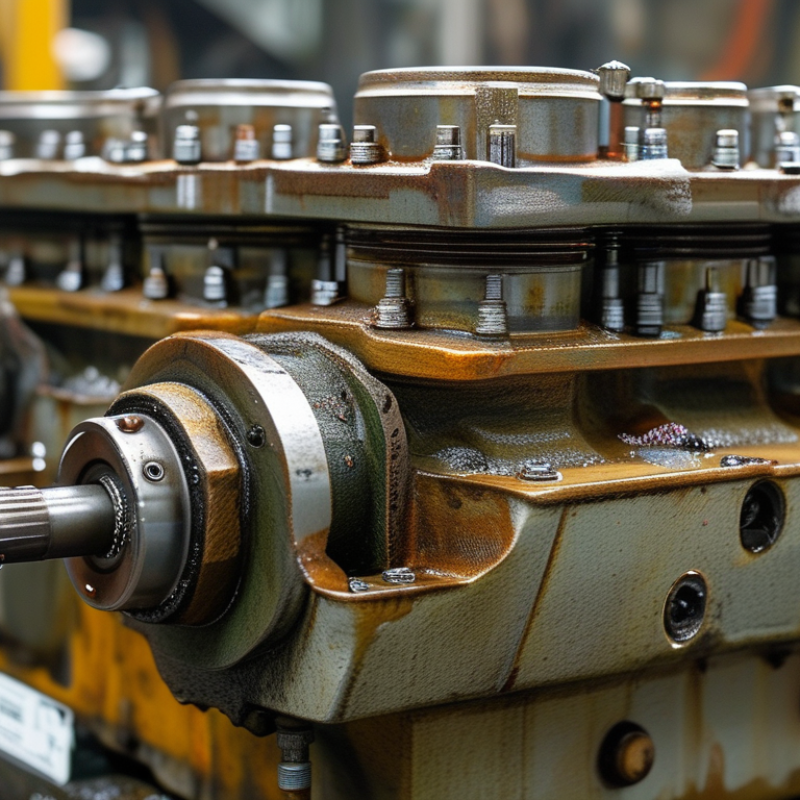
Effective lubrication is crucial for machinery performance and longevity. A study by the National Lubricating Grease Institute states that improper lubrication can lead to a 50% decrease in equipment life. Hence, knowing how to maintain lubrication systems properly is vital for businesses.
Many industries still overlook proper lubrication practices. Inaccurate application can result in equipment failures and unplanned downtime. According to a report by the American Society of Mechanical Engineers, inadequate lubrication can cost companies millions annually. Implementing routine checks and employee training can significantly enhance lubrication efficiency.
Moreover, failure to maintain lubrication systems can lead to cascading issues. For instance, a single malfunction may affect multiple systems. Regular monitoring and adjustments are often neglected, leading to costly consequences. Organizations must understand these dynamics to protect their assets and ensure optimal operation.
Lubrication systems play a crucial role in the functioning of machinery. They reduce friction and wear between moving parts. Without proper lubrication, machines can experience overheating and premature failure. This results in costly repairs and downtime. Understanding how to maintain these systems is vital for long-term performance.
Regular inspections are essential for optimal functioning. Check for leaks, ensure that lubricant levels are adequate, and inspect filters regularly. Contaminated oil can hinder performance. Keep systems clean and replace filters timely to avoid issues. Monitoring temperature can also provide insight into the effectiveness of the lubrication system.
Training staff is an often-overlooked aspect. Knowledgeable personnel can quickly identify potential problems. However, complacency can lead to negligence. A culture of vigilance must be fostered to uphold machinery health. Small lapses in maintenance can escalate into significant problems. Recognizing this reality fosters a proactive approach.
| Dimension | Description | Best Practices | Frequency |
|---|---|---|---|
| Fluid Level Monitoring | Ensures there is adequate lubricant in the system to prevent wear. | Check levels regularly, refill as necessary. | Weekly |
| Filter Replacement | Prevents contaminants from entering the lubrication system. | Replace filters to maintain cleanliness of lubricant. | Monthly |
| Lubricant Type Verification | Ensures the correct lubricant is used for optimal performance. | Consult specifications to verify lubricant compatibility. | Quarterly |
| System Cleanliness | Maintains system hygiene and efficiency. | Clean all components and check for leaks. | Biannually |
| Temperature Checks | Monitors fluid temperature to prevent breakdown. | Use sensors to keep temperature at optimal levels. | Monthly |
Effective lubrication systems are critical for maintaining machinery efficiency. Key components play a vital role in this process. The lubricant itself must be the right type for the application. It should match both the temperature and load conditions. Using unsuitable lubricants can lead to increased wear and tear. Regularly checking the viscosity is essential to ensure optimal performance.
The delivery system is another crucial factor. This includes pumps, lines, and fittings. If any component is clogged or damaged, lubrication may become inconsistent. Regular inspection of these parts is necessary. A clogged line might seem like a minor issue, but it can cause significant long-term damage. Ensuring cleanliness in these systems can be beneficial.
Monitoring systems should not be overlooked. Sensors and gauges provide real-time data on lubricant levels and conditions. These tools can help detect potential issues before they escalate. However, relying solely on technology can sometimes lead to complacency. Manual inspections should still be part of the routine. A combination of both approaches will maximize the effectiveness of lubrication systems.
Maintaining lubrication systems is crucial for optimal performance across various industries. Regular inspection practices can prevent costly equipment failures. Studies have shown that up to 40% of machinery failures are directly related to inadequate lubrication. Monitoring lubricant levels, checking for contamination, and assessing the condition of lubricants play key roles in the maintenance process.
Implementing a routine maintenance schedule is vital. Inspections should occur monthly or quarterly, depending on the machinery's operating conditions. According to industry reports, over 30% of companies do not adhere to a strict maintenance regimen. This oversight can lead to increased wear and tear, ultimately resulting in unexpected downtime. Regular fluid analysis can detect issues before they escalate, ensuring reliability.
Reflecting on past maintenance practices can uncover inefficiencies. Tracking historical performance data will help adjust frequencies and methods of lubrication checks. Many organizations overlook the importance of documentation. Accurate records can aid in identifying trends and improving maintenance protocols over time. Understanding the specific needs of each lubrication system is essential for creating a tailored maintenance strategy.
Selecting the right lubricants for different applications is crucial. Each machine has unique requirements. Understanding viscosity, temperature resistance, and load-bearing capacity is essential. For high-speed machinery, light formulations reduce friction. Heavy-duty gearboxes require thicker oils for better protection.
Compatibility with materials is another factor to consider. Using the wrong lubricant can lead to failure. Even the best oils might cause issues if they react with seals or gaskets. It’s important to consult technical specifications and seek expert advice when in doubt.
Regular analysis of lubrication systems can reveal critical insights. Monitoring wear particles helps assess lubricant effectiveness. If the analysis shows deviations, it may indicate a need for change. Sometimes, the issue isn't with the lubricant but the application method. Adequate training for staff can enhance lubrication practices. Continuous learning about lubrication technology aids in making informed choices.
Lubrication systems are essential for smooth machinery operation. However, they often face common issues that can lead to performance degradation. One frequent problem is insufficient lubrication due to low fluid levels. This can cause excessive wear on moving parts. Checking reservoir levels regularly can help avoid this issue. Also, observe for leaks that often go unnoticed.
Another common concern is contamination of the lubricant. Dirt and moisture can compromise the integrity of the lubricant, affecting its performance. Installing filtration systems can mitigate this risk. Regularly replacing filters is also vital. Over time, even quality lubricants break down and lose their efficacy. Monitoring fluid condition through regular testing can help identify degradation early on.
Additionally, improper temperature control can negatively impact lubrication efficiency. High temperatures cause oil to thin, leading to less effective lubrication. Monitoring operating temperatures is crucial for optimal performance. Arranging routine maintenance checks can uncover hidden issues before they escalate. Recognizing these problems allows for better management of lubrication systems, ensuring longevity and enhanced performance of machinery.
: They reduce friction and wear between moving parts. Without them, machinery may overheat and fail prematurely.
Regular inspections are key. Check for leaks, and ensure lubricant levels, and filter conditions are adequate.
Insufficient lubrication can lead to excessive wear on moving parts, causing significant damage and downtime.
Contamination can occur from dirt or moisture. Regular tests can identify issues before they impact performance.
High temperatures can thin oil. This decreases lubrication efficiency, so monitoring operating temperatures is vital.
Regular replacement is crucial. Filters can become clogged with contaminants, hindering the system's overall performance.
Look for leaks, low fluid levels, and overheating. These issues can signify underlying maintenance needs.
Yes, knowledgeable staff can spot problems early. However, a culture of vigilance is needed to prevent negligence.
Absolutely. Small oversights can escalate into significant issues, impacting machinery health over time.
Promote regular inspections and training. Encourage vigilance among staff to catch issues early.
Lubrication systems play a crucial role in ensuring the optimal performance of machinery by reducing friction and wear between moving parts. Understanding their importance involves familiarizing oneself with the key components, such as pumps, filters, and piping, which need to function seamlessly together. To maintain lubrication systems properly, regular inspection and maintenance practices are vital, including checking lubricant levels, replacing filters, and monitoring for leaks or contamination.
Selecting the right lubricants for different applications is essential for maximizing efficiency and longevity. Moreover, being aware of common problems—such as insufficient lubrication, overheating, or blockages—and knowing how to troubleshoot these issues can help in preventing costly downtimes. Overall, an informed approach to how to maintain lubrication systems properly ensures reliable machinery performance and extends equipment life.
SHE Auto