LED headlights have gained considerable attention in recent years. One question many consumers ask is, "why are LED headlights more efficient than halogen?" Understanding the answer to this question can significantly influence vehicle safety, energy consumption, and cost-effectiveness.
LED headlights utilize advanced technology that converts energy into light more efficiently than traditional halogen bulbs. They emit brighter light while consuming less power. This efficiency leads to reduced energy drain on the vehicle's battery. In contrast, halogen bulbs generate heat, wasting energy and requiring more frequent replacements. However, LED technology isn't without its challenges. Initial costs can be higher, which may deter some buyers.
Despite potential drawbacks, the long-term benefits of LED headlights are compelling. They last longer and provide better visibility in various driving conditions. The question of why are LED headlights more efficient highlights a crucial comparison between innovations and traditional options. Understanding this can guide consumers toward making informed choices.
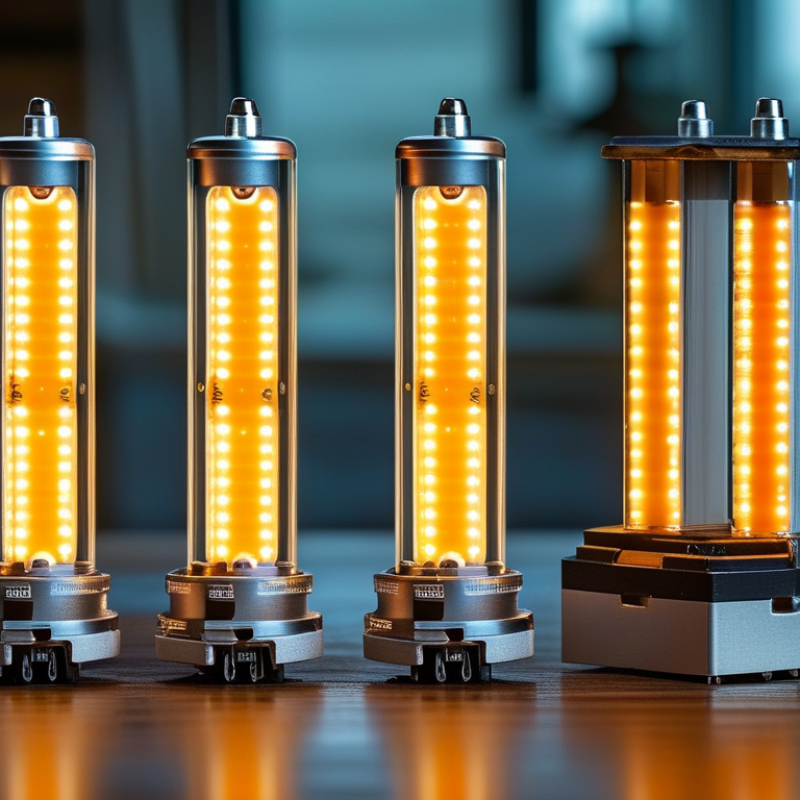
LED headlights are a modern innovation in automotive lighting. They use semiconductor technology to produce light. When an electric current passes through the semiconductor, it emits photons. This process is known as electroluminescence. LED headlights are brighter and consume less energy compared to traditional halogen bulbs. They can last much longer, up to 25,000 hours or more. This longevity means fewer replacements, reducing waste.
The efficiency of LED headlights stems from their design. Unlike halogen bulbs, which waste energy as heat, LEDs convert most of their energy into light. They also provide better visibility and focus. This focused beam improves road safety during night driving. However, there's a downside. The initial cost of LED headlights can be higher than halogen options. Some users feel uncertain about this investment. It's crucial to weigh these factors before upgrading.
Another aspect to consider is the light color. LED headlights often emit a cooler, bluish light. This can be more effective in illuminating the road. Yet, some drivers may find it harsh. It's essential to reflect on personal preferences regarding light quality. The advancement in headlight technology opens doors for safer and more efficient driving experiences.
LED headlights and halogen headlights display different energy consumption patterns. LED headlights consume significantly less power than their halogen counterparts. Specifically, LED lights can produce the same brightness while using only about 20% of the energy. This efficiency leads to reduced fuel consumption in vehicles and lower overall energy use.
In practical terms, a car equipped with LED headlights can operate more sustainably. Drivers notice this efficiency, especially during long drives. The brighter output of LEDs enhances visibility, which can contribute to safer driving conditions. However, the initial cost of LED systems can deter some consumers. It's crucial to weigh the long-term energy savings against upfront investment.
While LED technology is highly efficient, it is not without drawbacks. For instance, some users report issues with light temperature and glare. This can affect the experience for drivers and pedestrians alike. There’s room for improvement in designs to minimize these effects. The conversation about LED versus halogen is ongoing, reflecting advancements in lighting technology and user experience.
When comparing LED and halogen headlights, longevity is a key factor. LED headlights can last up to 25,000 hours or more. In contrast, halogen bulbs typically only last about 1,000 hours. This significant difference in lifespan means fewer replacements and less waste in the long run.
The durability of LEDs stems from their solid-state technology. They emit light through a semiconductor rather than relying on a fragile filament. This makes them more resistant to shock and vibration. Halogen lights, however, are more prone to burnouts. This sudden failure often leaves drivers without critical visibility. While opponents argue that the initial cost of LEDs can be high, their long-term savings are evident.
Yet, not all LED bulbs are created equal. Variations in quality exist, and some may not achieve expected lifespans. It’s essential to choose reliable products to gain the maximum benefits. This aspect can be confusing for many consumers. It's wise to consult experts or read trusted reviews before purchasing. Understanding these nuances can lead to better choices in vehicle lighting.
LED headlights have become increasingly popular due to their superior efficiency compared to halogen lights. A significant factor contributing to this efficiency is their brightness measured in lux levels. Lux is a unit that indicates luminous flux per unit area. For instance, LED headlights can produce approximately 20 times more lux than standard halogen bulbs at comparable wattage. This means they provide more light on the road, improving visibility and safety in low-light conditions.
Research indicates that LED headlights can reach up to 3000 lux, while halogen headlights typically deliver around 150 to 200 lux. This substantial difference results in enhanced illumination of the road ahead, thereby allowing drivers to recognize obstacles sooner. Moreover, LEDs emit a cooler color temperature. This aspect enhances visibility because objects appear clearer under daylight-like illumination.
Consider upgrading to LED headlights for increased safety and efficiency. Ensure to check local regulations regarding headlight brightness. It’s crucial to install headlights correctly to avoid blinding oncoming traffic. Even LED setups can be misaligned, leading to less effective use. Investing in high-quality lighting solutions is essential, but always analyze different recommendations to find what works for your vehicle. Remember, while LED technology is excellent, proper usage and installation will vastly improve overall performance and safety.
| Headlight Type | Brightness (Lux) | Wattage | Lifespan (Hours) | Color Temperature (Kelvin) |
|---|---|---|---|---|
| LED | 1800 | 30 | 25000 | 6000 |
| Halogen | 1000 | 55 | 1000 | 3200 |
LED headlights have gained significant attention for their energy efficiency compared to traditional halogen bulbs. The U.S. Department of Energy reports that LEDs use 75% less energy than incandescent options and can last up to 25 times longer. This translates into reduced electricity consumption and lower carbon emissions over time, a crucial consideration in today's environmentally conscious landscape.
In terms of waste reduction, the longevity of LED headlights minimizes the frequency of replacements. A study from the National Renewable Energy Laboratory indicates that replacing older technologies with LEDs can reduce the number of bulbs discarded in landfills. This shift is essential as halogen bulbs typically have a shorter lifespan, leading to increased waste and resource depletion.
Consider these tips: When choosing headlights, pay attention to wattage and lumens for optimum performance. Check local regulations for headlight standards, as they can vary. Always dispose of old bulbs responsibly to minimize environmental impact. Even with the clear benefits of LEDs, evaluating if they fit into your vehicle's design is crucial before making a change.
LED headlights provide significantly higher energy efficiency compared to halogen lights, achieving approximately 80% efficiency, while halogens only reach around 20%. This efficiency translates to reduced energy consumption and lower environmental impact, making LED technology a more sustainable choice for automotive lighting.
: LED headlights use about 20% of the energy that halogen headlights consume.
LED headlights enhance visibility, leading to safer driving conditions and reduced fuel consumption.
LED headlights can last up to 25,000 hours, while halogen bulbs last about 1,000 hours.
LEDs use solid-state technology, making them resistant to shock and vibration, unlike fragile halogen bulbs.
Some users experience issues with light temperature and glare, affecting visibility and comfort.
The initial cost of LED systems can be a deterrent for some buyers.
It's wise to consult experts and read trusted reviews to avoid subpar products.
No, discussions are ongoing as lighting technology advances and user preferences evolve.
LED headlights have gained popularity due to their superior efficiency compared to halogen headlights. This efficiency stems from their advanced technology, which allows LED lights to convert a larger portion of energy into visible light, minimizing waste as heat. In an energy consumption comparison, LED headlights consume significantly less power than halogen counterparts, making them a more sustainable choice.
Furthermore, LED headlights boast a longer lifespan, often lasting up to 25,000 hours compared to the 1,000 hours typical of halogen lights. This longevity not only reduces the frequency of replacements but also contributes to less environmental waste. In terms of brightness and visibility, LED headlights provide higher lux levels, enhancing road safety. Overall, these factors highlight why are LED headlights more efficient than halogen, showcasing their benefits in energy efficiency and environmental impact.

SHE Auto