How to Install a Charging Station Safely at Home?

Time:2026-05-25 Author:Sophia
0%

Electric vehicles (EVs) are gaining popularity, with sales projected to reach 30 million by 2025. As more households embrace this technology, the demand for home charging stations is rising. However, many homeowners are unsure how to install a charging station safely. Safe installation is crucial to avoid electrical hazards.

To address this, industry experts recommend consulting certified electricians. They ensure compliance with local codes and standards. According to the National Fire Protection Association, improper installations can lead to electrical fires. Using a professional helps mitigate this risk.

Choosing the right equipment is equally important. Look for charging stations that meet safety certifications. Data from the Electric Vehicle Infrastructure Task Force indicates that proper installation enhances the charging efficiency. It is essential to reflect on these factors to ensure a safe and effective home charging setup.
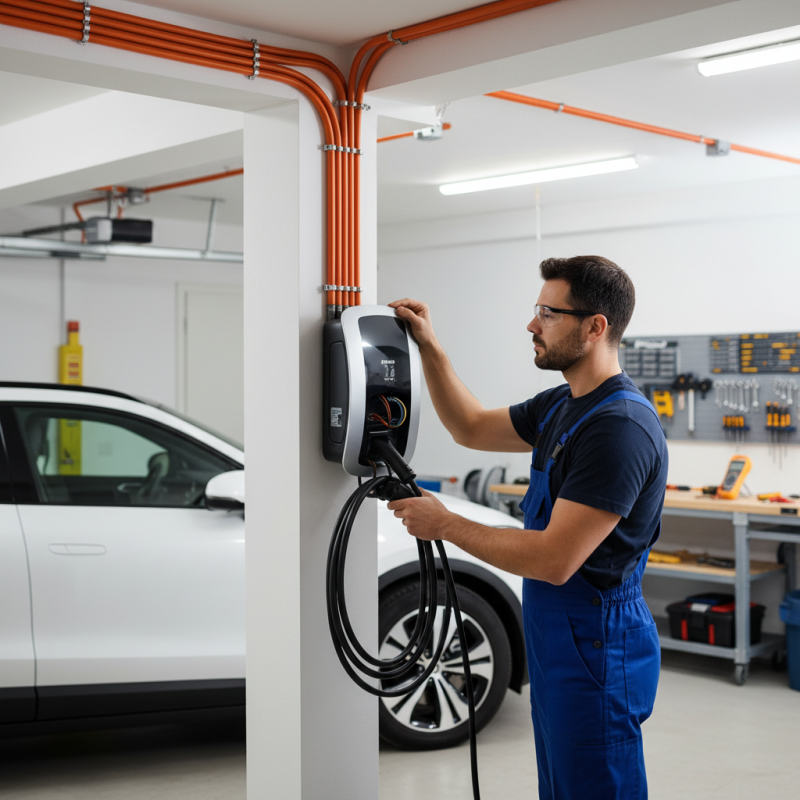
How to Install a Charging Station Safely at Home?

Understanding the Types of Charging Stations for Home Use

When considering a home charging station, it's essential to know the types available. Level 1 chargers use a standard household outlet, typically providing 2-5 miles of range per hour. This option is often the most accessible and requires minimal installation effort. However, the longer charging time might not suit everyone's needs.

Level 2 chargers are more efficient. They require a dedicated 240-volt outlet and can deliver 10-60 miles of range per hour. These are ideal for daily use, especially for electric vehicle owners who drive long distances. Some may find the installation process daunting, but it's beneficial to consult a professional electrician.

Tips: Invest in a charging station with built-in safety features. Look for options that offer surge protection and automatic shutoff. Regularly check for wear and tear on cables and connectors. Keeping the charging area clean and dry will enhance reliability. Planning the placement of your charger can also minimize hazards, ensuring easy access without obstructing walkways.

Home Charging Station Types and Their Popularity

Assessing Your Home's Electrical System and Capacity

Assessing your home's electrical system is crucial for safe charging station installation. Many homes feature outdated wiring that may not support modern charging demands. According to the U.S. Department of Energy, around 30% of homes have electrical systems over 30 years old. These systems often lack the capacity for high-demand appliances, including electric vehicle chargers.

Your electrical panel must be capable of handling additional loads. A standard home typically has a 100-amp panel. However, for a Level 2 charging station, a 200-amp panel is often recommended. The National Electric Code suggests that homes with charging stations should have a dedicated circuit. This ensures stability and prevents overloading the system, which can lead to fire hazards.

Conducting a load calculation is essential. This involves assessing all electrical appliances used in your home. Some homeowners overlook light fixtures and other devices during this process. Neglecting such details can lead to unpredictable events and potential dangers. It's advisable to consult with a licensed electrician to get a comprehensive evaluation. They can identify potential issues and suggest necessary upgrades, ensuring your home is ready for a reliable charging solution.

How to Install a Charging Station Safely at Home? - Assessing Your Home's Electrical System and Capacity

Aspect Details
Home Electrical Panel Capacity 200 Amps
Current Available Outlets 5 Outlets
Wiring Condition Updated to Code
Distance from Panel to Charging Station 15 feet
Dedicated Circuit Needed Yes
Electrical Safety Check Required Yes
Voltage of Charging Station 240 Volts
Total Power Required 30 Amps

Choosing the Right Location for Your Charging Station

When installing a charging station at home, choosing the right location is crucial. According to the U.S. Department of Energy, proper placement can enhance safety and optimize charging efficiency. Ideally, a charging station should be near your parking area and in a dry environment. This prevents moisture-related hazards and potential damage to the charging equipment.

Consider the layout of your home. If you have a garage, that is an excellent option for installation. A garage keeps the charger away from weather extremes. However, if your parking is outside, look for locations with ample lighting and accessibility. A report by the Electric Vehicle Charging Association highlights that over 70% of EV owners prefer charging at home. Thus, selecting a convenient and safe location can greatly enhance your charging experience.

**Tips:**
Ensure that the outlet is not shared with heavy-hitter appliances. This will prevent circuit overloads. Also, keep your charging cable organized to avoid tripping hazards. Properly read your local codes and regulations, as they may have specific requirements for charging station installations. Always seek professional advice if unsure about the electrical system in your home.

Following Safety Guidelines for Installation and Wiring

When installing a charging station at home, following proper safety guidelines is paramount. According to the National Fire Protection Association, electrical failures are responsible for an estimated 47,000 home fires each year. This statistic underlines the importance of careful installation practices. Start by choosing a location that minimizes exposure to water and other elements. Ideally, the charging station should be positioned in a well-ventilated area, typically near your vehicle's parking spot.


Wiring the charging station requires adherence to local electrical codes. Consulting a licensed electrician can significantly reduce risks. They can help ensure that the circuit is capable of handling the load. For instance, a Level 2 charger typically draws about 30 amps, which necessitates specific gauge wiring. Failure to use the appropriate wiring can not only lead to inadequate charging but potential hazards like overheating or electrical fires. Regular inspection of the wiring and connections is also crucial, as wear and tear can compromise safety.


Lastly, understanding UL 2202 and IEC 61851 standards can enhance your knowledge of safe charging station installations. These guidelines outline critical safety measures, including grounding and surge protection. Although it may seem tedious, taking the time to familiarize yourself with these standards is vital. Ultimately, ensuring a safe charging station involves more than installation; it requires ongoing vigilance and adherence to safety protocols.

Testing and Maintenance Tips for Your Charging Station

Testing and maintaining your home charging station is crucial for safe operation. Regular checks can prevent hazards and ensure longevity. Start by inspecting the station regularly for any wear or damage. Look for signs of fraying wires or corrosion on connectors. If you notice any issues, consult a professional electrician.

Cleaning is an essential maintenance task. Dust and debris can accumulate and affect performance. Use a soft cloth to wipe the surface. Avoid using harsh chemicals that could damage components. Ensure that the charging port is free of dirt, as this can hinder the charging process. Stay proactive with these small tasks to prevent larger problems.

Testing the station’s functionality is equally important. Regularly verify that it delivers the expected power levels. Use a multimeter for precise measurements. If the output is inconsistent, it could indicate a deeper issue. In that case, seek professional assistance immediately. Reflecting on your charging habits may also unveil areas for improvement. Emphasizing routine checks can lead to safer and more efficient charging experiences.

FAQS

: What types of home charging stations are available?

: There are Level 1 and Level 2 chargers. Level 1 uses a standard outlet; Level 2 uses a 240-volt outlet.

How much range does a Level 1 charger provide?

A Level 1 charger typically provides 2-5 miles of range per hour. It's slow but easy to install.

What advantages do Level 2 chargers offer?

Level 2 chargers deliver 10-60 miles of range per hour, making them ideal for long-distance daily use.

How can I choose the best location for my charging station?

The best location is near your parking area, preferably in a dry environment away from weather extremes.

What safety features should I look for in a charging station?

Seek chargers with surge protection and automatic shutoff features to enhance safety during use.

Why is it important to consult a licensed electrician?

An electrician ensures that the installation meets electrical codes, reducing the risk of overheating and fires.

How should I maintain my charging station?

Regularly check the cables and connectors for wear. Keep the charging area clean to enhance reliability.

What local regulations should I observe during installation?

Read and understand your local codes, as they may have specific requirements for charging station placement.

How often should I inspect my wiring and connections?

Regular inspections are crucial. Check for wear and tear to ensure safety and functionality of the charging station.

What standards should I understand for safe installations?

Familiarize yourself with UL 2202 and IEC 61851 standards for critical safety measures and proper grounding.

Conclusion

When considering how to install a charging station safely at home, it's crucial to start by understanding the various types of charging stations available for residential use. Next, assess your home's electrical system and capacity to ensure it can support the additional load required for a charging station. Choosing the right location for the station is equally important, as it should be accessible yet out of the way of everyday activities.

Once you have selected the type and location, follow safety guidelines for proper installation and wiring to minimize risks. It's essential to engage a licensed electrician when necessary to adhere to local codes and standards. Finally, implement regular testing and maintenance tips for your charging station to ensure it operates safely and efficiently over time. This comprehensive approach will help guarantee that you install a charging station safely and enjoy its benefits without concerns.

Sophia

Sophia

Sophia is a dedicated marketing professional with an exceptional depth of knowledge about her company's products and services. With a keen understanding of market trends and customer needs, she crafts insightful blog posts that not only inform but also engage readers, enriching the company’s online......