China’s leading electric vehicle charging stations combine high power, digital payment, and carefully managed grid connections. They appear beside expressways, shopping centers, apartment compounds, and office parks. A driver may see a quiet cabinet, a thick cable, and a screen showing real-time charging data. The technology is less mysterious than it looks.
The practical question is: how do charging stations work for electric vehicles? An AC charger sends alternating current to the vehicle’s onboard charger, which converts it for the battery. A DC fast charger performs much of that conversion inside the station. It then sends controlled direct current through the connector. The vehicle and charger communicate before energy flows. They check battery temperature, voltage, charging limits, and connection status. A battery management system can reduce power when the pack becomes hot or nearly full.
China’s major networks commonly support national charging standards, mobile-app payments, QR-code access, and remote fault monitoring. Some busy sites use liquid-cooled cables, allowing higher power without making the handle uncomfortably heavy. Load-balancing software may lower output when many cars charge together. That protects local electrical equipment, although it can lengthen waiting times. Real-world performance also depends on the vehicle, weather, cable condition, and station maintenance.
Small details matter. A dusty connector can interrupt a session. A crowded highway station can turn a ten-minute stop into a long queue. This article examines how top Chinese charging stations operate, what drivers experience, and where the system still needs improvement. The technology is advancing quickly, but reliability is not identical everywhere. That limitation deserves honest attention.
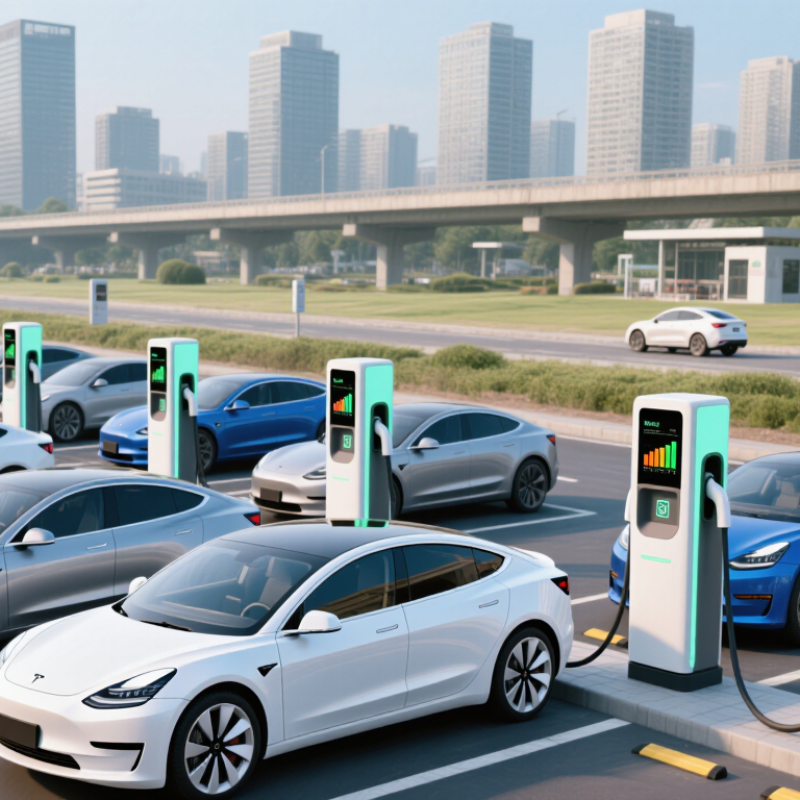
China Top EV Charging Stations: How Do They Work?
What China’s Top EV Charging Stations Are and Why They Matter
China’s leading EV charging stations combine high-power chargers, smart software, and carefully managed electrical systems. A direct-current charger sends electricity to the battery with limited conversion inside the vehicle. Sensors monitor voltage, temperature, and charging speed every second. The vehicle and charger communicate before power increases.
A typical station includes several charging bays, overhead cables, payment screens, and a transformer room. Some sites serve private cars, taxis, buses, and delivery vehicles. Drivers can check availability through digital maps and reserve a connector before arrival. In busy cities, this reduces unnecessary waiting. Speed helps.
These stations matter because transport electrification needs dependable access, not only more electric vehicles. High-power charging can support long-distance travel and commercial fleets. Load management also prevents every charger from drawing maximum power at once. That protects the local grid during evening demand.
However, a polished station is not automatically a reliable one. Cable wear, blocked parking spaces, software errors, and poor maintenance can weaken the experience. A fast charger may also slow down when several vehicles share limited capacity. That gap matters. Better standards, transparent pricing, trained technicians, and regular safety checks remain essential. China’s progress is substantial, but practical reliability still deserves closer measurement at street level.
An EV charging station is a controlled connection between a vehicle and the power grid. Electricity travels through local distribution lines, transformers, and protective equipment before reaching the station. The station then converts and regulates that power for the vehicle’s battery. Alternating current charging usually relies on the vehicle’s onboard converter. Direct current charging sends managed power straight to the battery system.
When a vehicle is plugged in, the station checks communication signals before delivering electricity. These signals confirm the connector, charging limits, grounding, and battery condition. The vehicle requests power, while the station monitors voltage, temperature, and current. A control system can reduce charging speed when the grid is busy. This helps prevent overloads and improves energy efficiency. Payment records and charging data also support maintenance and reliable operation. Still, charging speed can vary because of weather, cable resistance, battery temperature, and local grid capacity. Real-world performance is not always as clean as a specification sheet suggests.
Tips: Park carefully and inspect the connector before use. Keep the cable dry and free from damage. Avoid forcing a plug into place. Charging may slow during peak demand. That is normal. Choose a lower power setting when your schedule allows. It can reduce pressure on the grid and sometimes lower charging costs. Station readings are useful, but they are not perfect. Check the vehicle display as well.
Public EV charging stations are designed to make starting a session simple. Drivers park, check the connector, and confirm that it fits the vehicle. They then scan a QR code, tap a charging card, or use an approved payment method. The station usually displays power, estimated time, and price before charging begins. A clear screen helps, but the instructions can still feel unfamiliar. Some stations respond slowly.
Tips: Check the station number before paying. Inspect the cable for visible damage. Keep your vehicle unlocked if the connector requires access. Watch the first few minutes and confirm that energy is flowing. Save the digital receipt after charging.
Drivers can control charging from the station screen or a connected mobile service. They may select a charging limit, pause the session, or stop it early. The final cost often depends on electricity used, charging time, and possible parking fees.
When the battery reaches the selected level, the system may stop automatically. However, drivers should still confirm the session has ended. Remove the connector only after the screen or vehicle indicates release.
A failed payment, weak network signal, or full site can interrupt the process. Checking the receipt and account balance is a small habit, but it prevents confusion later.
China Top EV Charging Stations: How Do They Work?
Charging speed depends on the connection between the station, vehicle, and battery. AC charging sends electricity to the car’s onboard charger. It is slower, but usually creates less heat. DC fast charging sends controlled direct current straight to the battery. A high-power station may add hundreds of kilometers within one hour, if the vehicle can accept that rate.
Battery temperature matters greatly. Heat changes everything. During a cold morning, the battery may limit power until it warms up. Near 80% charge, many systems reduce current to protect the cells. This explains why a fast start can become noticeably slower later. The thick cable may feel warm, but excessive heat should trigger automatic safety controls. Power ratings are not guaranteed charging speeds.
For battery health, moderate daily charging is generally gentler than constant high-power charging. Keeping the battery at extremely high or low levels for long periods may increase stress. However, battery chemistry, cooling design, software, and driving conditions also matter. A station display cannot reveal the battery’s full condition. In practical use, checking charging power, battery temperature, and the final charging curve gives better evidence. I once expected a higher-rated charger to work faster, but the vehicle’s own limit was the real restriction. That assumption was wrong. Users should compare actual charging behavior, not only the number printed on the station.
| Charging Technology | How It Works | Typical Input Power | Approximate Charging Speed | Typical Use | Effect on Battery Health | Recommended Charging Practice |
|---|---|---|---|---|---|---|
| AC Level 1 | Alternating current is supplied to the vehicle’s onboard charger, which converts it into direct current for the battery. | About 1.4–2.0 kW | Approximately 5–8 km of driving range per hour, depending on vehicle efficiency and local voltage. | Overnight charging at home or locations with very low daily mileage. | Lowest thermal and electrical stress | Suitable for regular slow charging when a long parking period is available. |
| AC Level 2 | Grid AC is converted to DC by the vehicle’s onboard charger before entering the battery pack. | About 3.3–22 kW; the vehicle’s onboard charger may limit the actual rate. | Approximately 20–120 km of driving range per hour. | Homes, workplaces, hotels, shopping centers, and public parking areas. | Generally low battery stress; moderate charging temperatures are usually easier to manage. | Use as the main everyday charging method when practical, while keeping the battery within the vehicle maker’s normal charge range. |
| DC Fast Charging | The charging station converts AC to DC outside the vehicle and sends controlled DC power directly to the battery system. | About 50–150 kW | Commonly 150–400 km of driving range in 30 minutes, subject to battery size, temperature, and charging limits. | Highway travel, urgent charging, fleet turnaround, and public charging hubs. | Higher heat and current can increase battery stress, especially when used frequently or at high states of charge. | Best for travel and time-sensitive charging. Charging speed normally decreases after the battery reaches roughly 70–80%. |
| High-Power DC Charging | A higher-capacity DC power cabinet delivers large current through active communication with the vehicle’s battery management system. | About 150–350 kW; some systems can be higher when the vehicle supports it. | Potentially 200–500 km of driving range in 15–30 minutes under favorable conditions. | Major transport corridors, busy urban charging centers, and commercial fleets. | Highest thermal load and potential degradation risk when repeatedly used under unsuitable conditions | Use when speed is important. Avoid beginning high-power charging with a very hot or very cold battery whenever possible. |
| Liquid-Cooled DC Charging | Cooling fluid circulates through the charging cable and power equipment to control heat during high-current charging. | Typically 250–600 kW, depending on station and vehicle compatibility. | Can add approximately 250–400 km of range in about 10–20 minutes for compatible vehicles. | High-throughput highway stations and commercial charging sites. | Cooling helps control temperature, but high current can still create greater battery stress than normal AC charging. | Follow the vehicle’s charging curve and allow the battery management system to regulate power automatically. |
| Wireless Inductive Charging | Ground pads create a magnetic field that transfers energy to a receiver coil installed beneath the vehicle. | Usually about 3.3–11 kW for stationary systems | Comparable to low- or medium-power AC charging, depending on alignment and system efficiency. | Convenience charging at parking spaces, taxi stands, and designated fleet locations. | Generally gentle when operated within normal temperature limits; energy losses may produce additional heat. | Keep the vehicle correctly aligned with the charging pad and use it mainly for routine top-ups. |
| Battery Swapping | A depleted battery pack is mechanically removed and replaced with a charged pack at a specialized station. | Charging of removed batteries is usually performed separately using controlled AC or DC systems. | Physical battery replacement can take roughly 3–10 minutes where compatible infrastructure is available. | High-utilization vehicles, taxis, delivery fleets, and locations requiring very short stops. | Controlled off-vehicle charging can reduce exposure to extreme charging conditions, but frequent high-rate charging may still affect battery aging. | Use only with vehicles and battery packs designed for the same standardized mechanical and electronic system. |
| Battery Preconditioning | The vehicle uses energy to heat or cool the battery before arrival at a fast-charging station. | Power consumption varies by temperature, battery size, and vehicle design. | Does not directly add range, but can reduce charging delays and improve the initial fast-charge rate. | Cold-weather driving, hot-weather operation, and planned high-power charging. | Usually beneficial because charging within the battery’s preferred temperature window reduces thermal stress. | Set the charging station as the navigation destination when the vehicle supports automatic preconditioning. |
| Smart Load-Balanced Charging | Software distributes available electrical capacity among several chargers and can adjust power according to grid demand and vehicle needs. | Varies according to the site’s electrical connection and the number of vehicles charging simultaneously. | May be slower during periods of high demand but can provide more stable site operation. | Apartment buildings, workplaces, parking garages, and multi-vehicle depots. | Usually battery-friendly because charging power can be scheduled and limited to avoid unnecessary high temperatures. | Schedule charging during lower-demand periods when lower electricity prices or renewable power availability are offered. |
Notes: Charging speed varies with battery capacity, state of charge, battery temperature, vehicle limits, charger availability, cable capability, and site power conditions. Actual range added depends on vehicle efficiency and driving conditions. Frequent charging to 100% or allowing the battery to remain at a very high or very low state of charge for long periods can accelerate aging in many lithium-ion battery systems.
China Top EV Charging Stations How Do They Work?
China’s charging networks combine high-voltage equipment, cloud platforms, and local maintenance teams. The China Electric Vehicle Charging Infrastructure Promotion Alliance reported 3.58 million public charging facilities by the end of 2024. This scale makes safety management a daily engineering task, not a marketing promise. Charging cabinets monitor voltage, current, temperature, insulation, and connector status. If abnormal heat or leakage appears, the system can stop power delivery within seconds. Technicians still inspect cables, cooling fans, locks, and emergency switches on site. Remote monitoring cannot detect every damaged connector.
Data management is equally important. Each charging session produces records about energy use, timing, faults, and payment status. Network operators normally separate equipment data from personal account information, restrict staff access, and encrypt transmissions. The International Energy Agency’s Global EV Outlook 2024 reported that China held more than half of the world’s public charging points in 2023. That concentration creates useful operating data, but also increases the impact of a software or communication failure. A small platform error can affect many stations.
Maintenance teams use fault codes and usage patterns to schedule repairs before breakdowns occur. Busy urban stations may need repeated connector cleaning, cooling checks, and cable replacement. Quiet sites can still hide aging insulation. The system is not flawless. Human inspections remain necessary, especially after flooding, collisions, or extreme weather. Some reports emphasize charger numbers more than uptime, which leaves an important question unanswered: how many installed chargers are truly ready when drivers arrive?
Public charging facilities increased rapidly from 2020 to 2024, requiring stronger safety controls, connected operating data, and preventive maintenance across the network.
The figures represent cumulative public charging facilities in China, including public AC and DC equipment. More connected equipment enables remote fault monitoring, charging-session records, safety alerts, and maintenance scheduling. Source: China National Energy Administration, annual charging infrastructure statistics.
They combine high-power chargers, sensors, software, and managed electrical systems. Chargers communicate with vehicles before increasing power. Speed helps.
Alternating-current charging uses the vehicle’s onboard charger. Direct-current charging sends controlled power directly to the battery. DC charging is usually faster, but may create more heat.
Battery temperature, vehicle limits, and station capacity all affect speed. Charging often slows near 80% to protect battery cells. Power ratings are not guaranteed speeds.
Regular high-power charging may create more stress than moderate daily charging. Battery chemistry, cooling, software, and driving conditions also matter. Heat matters.
Sensors monitor voltage, current, temperature, insulation, and connector status. Abnormal heat or leakage can stop power within seconds. Technicians still inspect cables and emergency switches.
A session can record energy use, timing, faults, and payment status. Operators should restrict access and encrypt transmissions. A platform failure can affect many stations.
Remote monitoring cannot detect every damaged connector. Teams check cables, cooling fans, locks, and insulation on site. Flooding and collisions require extra inspections.
No. Blocked spaces, software errors, worn cables, and shared capacity can reduce availability. Installed capacity is not the same as working capacity.
They can compare actual charging power, battery temperature, and the charging curve. A thicker cable or higher rating may look impressive. That assumption can be wrong.
China’s top EV charging stations are essential infrastructure for supporting the rapid growth of electric mobility. They connect vehicles to the power grid through carefully managed electrical systems that convert and regulate energy before it reaches the battery. Drivers typically begin a session by identifying the vehicle, selecting a charging option, and confirming payment through an approved digital or physical method. The station then monitors energy delivery and displays progress, cost, and charging status.
Understanding how do charging stations work for electric vehicles also requires comparing charging technologies. Standard charging is suitable for longer parking periods, while high-power charging can provide energy much faster but may create greater heat and battery stress if used excessively. To protect users and equipment, charging networks rely on temperature monitoring, electrical safeguards, secure data handling, remote diagnostics, and routine maintenance. These systems help ensure reliable operation, support efficient energy use, and improve the overall charging experience for drivers.

SHE Auto