In today's competitive markets, understanding how to ensure quality in machined components is crucial for global buyers. Quality assurance involves strict protocols and consistent evaluations throughout the manufacturing process. It helps buyers minimize risks and secure reliable components that meet specific standards.
Achieving high-quality machined components requires a sophisticated blend of technology and expertise. Experienced manufacturers know that meticulous attention to detail can prevent costly errors. However, not all processes are flawless. Instances of defects or inaccuracies can occur, highlighting the importance of robust quality control measures.
Buyers must engage with their suppliers to foster transparency and trust. Regular communication about production practices and quality checks can make a significant difference. Ultimately, maintaining quality is a shared responsibility between buyers and manufacturers. Continual improvement and reflection on current processes will contribute greatly to overall success.
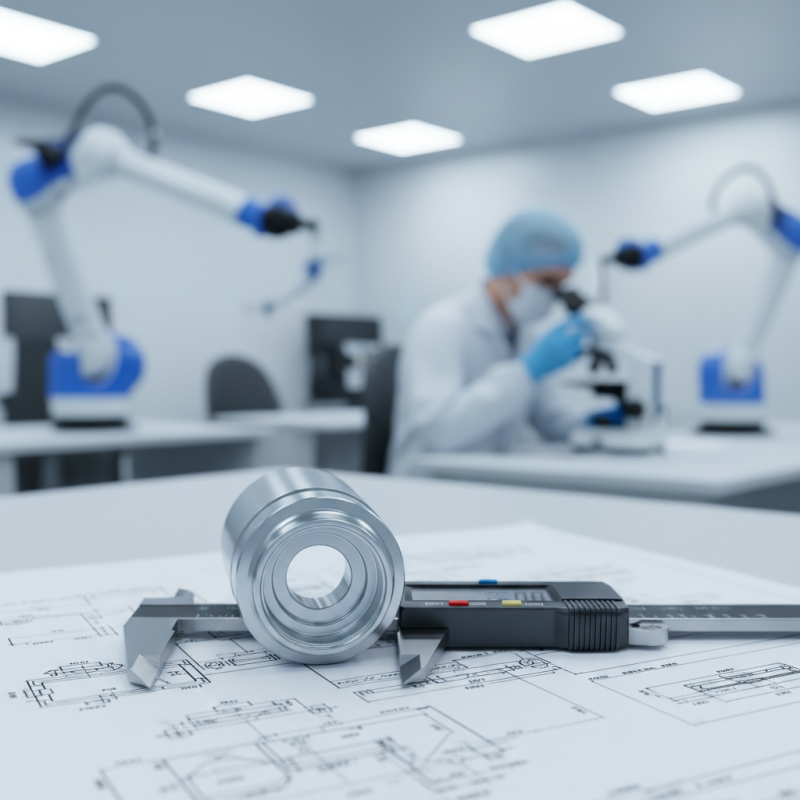
Quality plays a crucial role in the production of machined components. It is not just a metric; it shapes the longevity and reliability of products used across various industries. A focus on quality ensures that components meet precise specifications and perform as expected. Inconsistent quality can lead to failures, increasing costs and damaging reputations. Therefore, understanding quality is vital for manufacturers and buyers alike.
Achieving consistent quality involves rigorous quality control processes. These may include inspections and testing throughout production. Advanced tools and techniques, such as statistical process control, can identify variations early. However, even with technology, human oversight remains essential. Skilled operators can detect subtle issues that machines might miss. It is a balance of technology and experience.
Quality assurance is not without challenges. External factors, like raw material inconsistencies, can impact production. Companies must continuously evaluate their suppliers and processes. There is always room for improvement. Reflecting on past projects, teams can learn from mistakes. This reflective practice enhances future production and upholds quality standards, benefiting all stakeholders involved.
Quality assurance in machined components is critical for global buyers. Many industries depend on precise manufacturing standards. According to a report by the International Organization for Standardization (ISO), over 80% of buyers prioritize quality certifications when sourcing components. This highlights the importance of adherence to recognized quality standards such as ISO 9001 and ASTM.
ISO 9001 sets a framework for a quality management system and is a widely adopted standard. Companies that retain this certification often demonstrate their commitment to continual improvement. Furthermore, certifications such as AS9100 cater specifically to aerospace components, emphasizing operational excellence. However, achieving and maintaining these standards requires continuous training and a robust internal audit process. Not all manufacturers effectively implement these measures, leading to inconsistencies.
Understanding industry-specific requirements is essential. For example, medical device manufacturers must comply with ISO 13485. Despite this, some companies struggle with compliance due to resource constraints. Regular audits can uncover gaps in adherence to these standards. This awareness of both strong points and weaknesses is crucial for sustainable quality in machined components. Quality standards are not just checkboxes; they ensure product reliability and customer satisfaction across global markets.
Ensuring quality in machined components is vital for global buyers. Various techniques are crucial in this process. One key method is implementing precise measurement systems. Regular calibration of instruments is essential for accuracy. Quality control personnel must be well-trained. They should understand the intricacies of measurements. Issues may arise if proper training is lacking. Measurements can lead to discrepancies.
Another critical aspect is using advanced machining technologies. Computer Numerical Control (CNC) machines enhance precision and reduce human error. However, reliance on technology can sometimes lead to oversights. Regular checks are necessary to avoid potential mistakes. Manual inspections should complement automated processes. This provides a double layer of quality assurance.
Feedback loops also play a significant role in maintaining quality. Establishing communication between production teams and quality control helps identify issues early. This is not always easy, as teams may work in silos. Encouraging collaborative practices is essential. Continuous improvement is a journey, not a destination. Regular reviews can reveal areas for enhancement. Quality assurance in machining is a complex but rewarding pursuit.
Maintaining quality in machined components can be tricky for global buyers. Different regions have varying standards and expectations. Communication gaps often arise, leading to misunderstandings. For example, one buyer may expect tight tolerances while another may prioritize surface finish. These discrepancies can cause frustration and unmet expectations.
Quality control issues also stem from the supply chain. Material sourcing can impact the final product. If suppliers don’t meet specifications, problems will arise later. In some cases, factories may not update their machinery. This can result in outdated practices that compromise quality. Regular audits can identify these issues, but they are often overlooked.
Additionally, cultural differences can affect quality perception. Some cultures emphasize precision, while others focus on functionality. This disparity can lead to misaligned priorities during production. Effective collaboration between buyers and manufacturers is crucial. Participants need to discuss their core values openly. It’s important to reflect on these factors to create a better quality assurance process.
Collaboration with suppliers is vital for ensuring quality in machined components. According to a report by Gardner Business Media, 70% of manufacturers cite supplier quality as a key concern. Regular audits and assessments help establish trust. These practices help identify potential issues before they escalate.
Effective communication is essential. A survey by the National Association of Manufacturers found that companies with strong supplier partnerships experience 30% fewer quality issues. Frequent updates and transparent feedback loops can mitigate misunderstandings. However, some companies overlook the importance of clarity in their specifications.
Investing time in relationship-building pays off. Experts suggest that joint training sessions can enhance skills on both sides. They also promote adherence to quality standards. Yet, despite these efforts, discrepancies between expectations and delivery often arise. It's crucial to revisit agreements to ensure alignment. This ongoing dialogue not only enhances quality but fosters innovation through collective problem-solving.
| Dimension | Value | Measurement Method | Quality Standard |
|---|---|---|---|
| Diameter | 50 mm | Caliper Measurement | ISO 2768 |
| Length | 200 mm | Digital Measuring Tool | ANSI B89.1.14 |
| Surface Roughness | Ra 0.8 μm | Surface Roughness Tester | ISO 1302 |
| Tolerances | ±0.05 mm | Coordinate Measuring Machine | ISO 286 |
| Material Thickness | 4 mm | Ultrasonic Thickness Gauge | ASTM E797 |
: Quality assurance ensures precision, which is vital for industries relying on exact manufacturing standards.
ISO 9001 and ASTM are widely recognized standards; they indicate a commitment to quality management and improvement.
Some manufacturers struggle with continuous training and internal audits, leading to quality inconsistencies.
Medical device manufacturers must comply with ISO 13485. However, resource limitations can hinder compliance efforts.
Strong supplier relationships can reduce quality issues by promoting transparency and regular assessments.
Effective communication helps mitigate misunderstandings and ensures clarity in specifications.
Yes, they enhance skills for both parties and promote adherence to quality standards.
Discrepancies occur, highlighting the need for revisiting agreements and maintaining open dialogue.
Regular audits reveal gaps in adherence to standards, addressing both strengths and weaknesses of the process.
Adhering to quality standards fosters product reliability, which directly impacts customer satisfaction across markets.
In the realm of global manufacturing, understanding how to ensure quality in machined components is essential for both suppliers and buyers. Quality is paramount not only for meeting client specifications but also for maintaining competitiveness in the market. Establishing key quality standards and certifications, such as ISO compliance, helps to build trust and facilitate international trade.
Moreover, implementing effective techniques for quality assurance throughout the machining process can significantly reduce defects and enhance product reliability. Nonetheless, maintaining consistent quality poses challenges, including variations in supply chain dynamics and differing regional standards. By fostering collaboration among suppliers and employing best practices, businesses can navigate these challenges effectively, ensuring that high-quality machined components are delivered to global markets.

SHE Auto