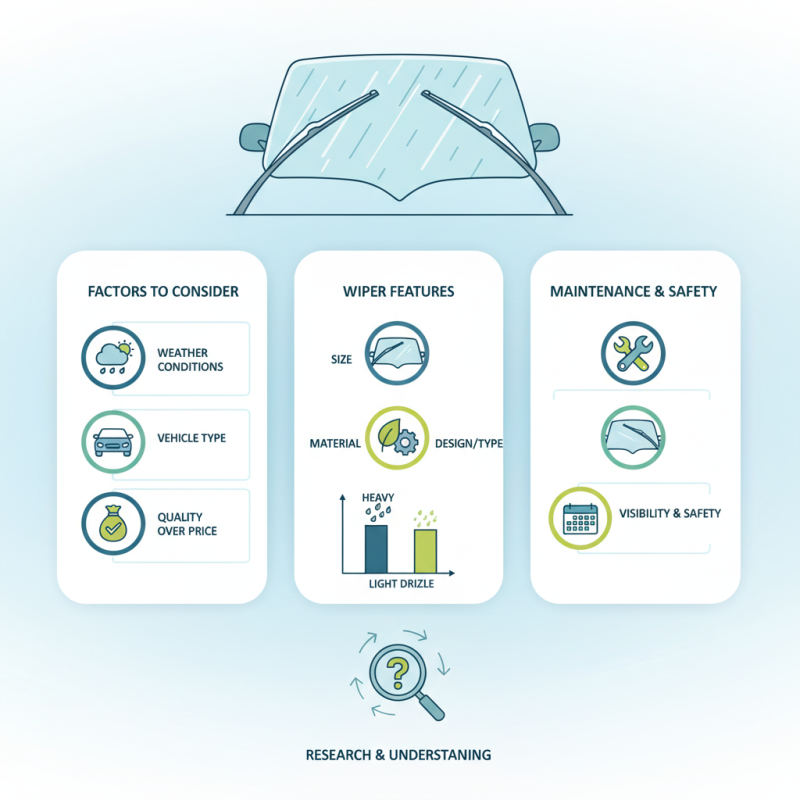
Choosing the right wiper system for vehicles is essential for safe driving. The visibility during rain is crucial, and a good wiper system ensures that. Many factors influence this choice, including weather conditions and vehicle type. Not all wipers are created equal.
When you think about how to choose the right wiper system for vehicles, consider quality over price. A durable wiper blade can make a big difference. Features like size, material, and design play vital roles. Some wipers are better for heavy rain, while others might excel in light drizzles. It’s important to assess what fits your daily needs.
Wipers often wear out faster than expected. Regular checks can prevent unexpected surprises during a storm. Keep in mind that owning the best system involves research and understanding. Mistakes can lead to poor visibility, risking safety. Embrace the challenge of finding the ideal wiper system.
When considering wiper systems for your vehicle, it's crucial to understand the various types available. Each system serves a specific purpose and operates differently. The most common types include traditional mechanical systems, which move in a back-and-forth motion. These are effective for clearing rain and snow. In contrast, some modern vehicles use adaptive systems. These have sensors that adjust the speed and frequency based on the weather conditions.
Another option is the beam wiper system. This type features a sleek design and provides better contact with the windshield. It reduces streaking and offers enhanced visibility during heavy downpours. However, installation can be tricky, and not all vehicles accommodate these wipers easily. Some drivers may find that beam wipers wear out faster than traditional ones, requiring more frequent replacements.
Consider also the material of the wiper blades. Rubber blends are common, but higher-end options use silicone. Silicone wipers offer durability and better performance. Yet, they can come at a higher price. Evaluating your driving conditions and preferences can help determine the best choice. Balancing cost and performance is often a challenge. Ultimately, understanding these differences will guide you in selecting the right wiper system for your vehicle.
When choosing the best wiper system for your vehicle, there are several key factors to consider. Visibility is paramount. Research shows that drivers with worn wipers are 30% more likely to experience reduced visibility in bad weather. Selecting high-quality wipers can truly enhance safety on the road. Look for models that boast advanced materials which resist wear and tear. The right wiper blades can last up to 40% longer than inferior options, according to industry studies.
Moreover, compatibility with your vehicle is crucial. Each make and model has specific requirements for wiper systems. Utilizing the wrong type can lead to poor performance and even damage. Installation is another factor; many drivers prefer easy-to-install options, saving time and effort. Statistics indicate that nearly 55% of vehicle owners opt for DIY installations, so ensuring your choice is user-friendly can be beneficial.
Lastly, consider the type of weather conditions you face. If you live in an area with heavy rainfall or snow, choose wipers designed to tackle these extremes. Certain systems offer features such as heated wipers or premium rubber blades, enhancing performance in challenging conditions. Selecting the right wiper system involves balancing quality, compatibility, and specific needs. A well-informed choice can improve both safety and comfort.
When selecting a wiper system for your vehicle, the material of the wiper blade plays a crucial role in performance. Common materials include rubber, silicone, and hybrid options. Research from industry reports indicates that silicone blades last up to 50% longer than traditional rubber. They offer excellent durability and performance in varied weather conditions, providing a clearer view during rain or snow.
Rubber wiper blades are often less expensive but can deteriorate quickly. Exposure to UV light and temperature changes can weaken rubber, resulting in streaks or noise. In fact, studies show that rubber blades may need replacement every six months, while silicone options can last up to two years.
Tips: Check your blades regularly for signs of wear. Look for cracks or uneven edges. Consider switching to silicone if you drive in extreme climates. Ultimately, make informed choices based on your driving habits and local weather for optimal performance. A good wiper system is an investment in safety and visibility.
| Wiper Blade Material | Durability (Months) | Performance Rating (1-10) | Noise Level (Low/Medium/High) | Cost (USD) |
|---|---|---|---|---|
| Rubber | 6 | 8 | Low | 15 |
| Silicone | 12 | 9 | Medium | 25 |
| Coated | 8 | 7 | Low | 18 |
| Winter Blade | 10 | 10 | Low | 20 |
| Hybrid | 15 | 9 | Medium | 30 |
When considering the installation of a wiper system, attention to detail is crucial. Begin by reading the manufacturer’s instructions carefully. Each vehicle may have unique requirements. Ensure that all tools are ready before starting. Pre-installation checks can prevent frustration later on. Clean the windshield thoroughly. Dirt and debris can interfere with efficiency.
During installation, take your time. Align the wipers properly to enhance visibility. Incorrect positioning can lead to streaks. Remember to test the wipers after installation. Sometimes, adjustments are necessary for optimal function. This minor tweak can greatly improve wiper performance.
Maintenance is often overlooked but vital for longevity. Regularly check the wiper blades for wear. A simple inspection can save you from sudden failures. Replace worn blades promptly to avoid smearing. Keep the windshield clean to prolong blade life. Pay attention to any unusual noises during operation. These signs could indicate underlying issues. Neglecting these could lead to costly repairs later.
When selecting a wiper system for your vehicle, costs and brands are crucial. A variety of options exist, and understanding the price differences can help with smart choices. Basic wiper blades may cost around $10 to $20, while premium versions can soar to $50 or more. The material and technology of the blades greatly affect performance and durability. Rubber blades provide decent service, while silicone wipers last longer but tend to be pricier.
Brands vary in reputation and reliability. Research industry reviews and user feedback before making a decision. Many consumers report mixed experiences with certain brands. Some may offer high performance but with a short lifespan, leading to frustration. Pay attention to warranty terms as they often indicate brand confidence. Buying cheaper options might save money upfront but could lead to more replacements in the long run, costing more overall.
Installation ease is another factor to consider. Some wiper systems need professional installation, adding to total costs. DIY installation is often feasible and saves money. However, incorrect installation can lead to operational issues. It's essential to ensure you understand how to install them properly. Sometimes, it may be worth consulting a professional to avoid future headaches.
: There are traditional mechanical systems and modern adaptive systems that adjust to weather conditions.
Beam wipers have a sleek design, provide better contact, and reduce streaking but can be harder to install.
Most wiper blades use rubber blends, while higher-end options often use silicone for better durability.
Worn wipers can reduce visibility by 30% in bad weather, leading to potential safety issues on the road.
Each vehicle requires specific wiper systems; using the wrong type can harm performance and cause damage.
Many prefer easy-to-install options, as nearly 55% of vehicle owners attempt DIY installations each year.
In heavy rainfall or snow areas, select wipers with features like heating or premium rubber for better performance.
Balancing cost and performance can be challenging, especially when trying to find durable options within a budget.
Some drivers report beam wipers may need more frequent replacement, which can be frustrating and inconvenient.
Using high-quality wipers can significantly improve visibility and overall safety while driving.
Choosing the right wiper system for vehicles involves understanding various types of wiper systems available, alongside key factors that influence your decision. It's essential to evaluate different wiper blade materials, as their performance can significantly affect visibility during adverse weather conditions. Additionally, proper installation and maintenance can prolong the life of your wiper system, ensuring it functions optimally when you need it most.
When considering how to choose the right wiper system for vehicles, it's also important to compare costs and assess the available options in the market. By weighing these aspects carefully, vehicle owners can make informed choices that enhance their driving experience while ensuring safety and reliability in all weather conditions.

SHE Auto