Windshield wipers are essential for safe driving in adverse weather conditions. Understanding what causes windshield wipers to wear out is crucial for every vehicle owner. According to the Automotive Aftermarket Industry Association, nearly 40% of drivers neglect wiper maintenance. This oversight can lead to reduced visibility and accidents.
Factors that contribute to faster wear include environmental conditions and the quality of wiper blades. UV rays from the sun can degrade the rubber over time. In addition, extreme temperatures impact their flexibility and performance. Reports suggest that wipers should be replaced every six months to avoid significant risks. Motorists often delay this, unaware of the dangers.
The impact of worn wipers is often underestimated. While many drivers change wipers only when they fail, this can lead to extensive windshield damage. It may be too late when streaks appear. Regular inspections can save time and money in the long run. Being informed is the first step toward safer driving.
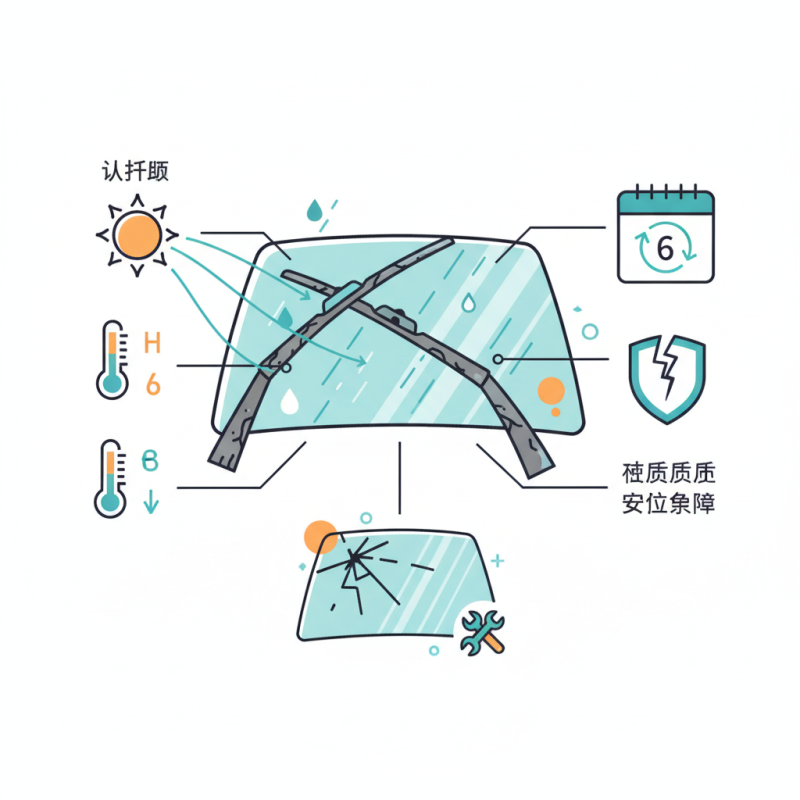
Windshield wipers are crucial for visibility during rain. Yet, many drivers experience rapid wear and tear. Various factors can contribute to this issue. Frequent exposure to sunlight is a significant factor. UV rays can dry out the rubber, causing it to crack and deteriorate. Extreme temperatures can also accelerate this process. Cold weather can make the rubber stiff, while heat can make it brittle.
Improper use exacerbates wear. Using wipers on dry glass can cause unnecessary friction. This action can wear down the blades faster than you might expect. Additionally, dirty windshields can hold debris that leads to scratches. Regular cleaning helps maintain both the glass and the wipers.
Tip: Check your wiper blades regularly. Look for signs of wear, like streaking or skipping. If they appear damaged, it’s best to replace them. Another tip is to keep your windshield clean. Clean debris not only extends the life of your wipers but also enhances visibility. Proper maintenance can prevent frequent replacements and keep you safe on the road.
Weather conditions significantly affect the lifespan of windshield wipers. Rain, snow, and extreme temperatures are the main culprits. Studies show that wipers can wear out 20-30% faster in harsher climates. For instance, areas with heavy rainfall see increased wiper usage, leading to quicker degradation.
UV rays from the sun also play a role. Prolonged exposure can cause the rubber in wiper blades to crack and harden. A report from automotive experts indicates that wipers exposed to intense sunlight may last only half as long as those shielded from it. High temperatures can lead to irreversible damage over time.
Moreover, ice and snow can create additional strain. Wipers struggling to clear frozen surfaces can lead to premature wear. When wipers are used on icy windshields, they become susceptible to stress fractures. Users often underestimate the impact of seasonal changes on wiper performance. Regular monitoring and replacement are essential for optimal visibility.
Windshield wipers are essential for safe driving. The quality of the materials used in wiper blades significantly affects their durability. Higher-grade materials can withstand harsh weather and prolonged use. However, many consumers overlook this aspect when purchasing wipers.
Good wiper blades typically have rubber or silicone components. These materials resist wear and tear from UV rays, dirt, and moisture. Cheaper options often use lower-quality materials that degrade faster. This degradation causes streaks or squeaking noise when in use.
Tips: Regularly replace wipers every six months to maintain visibility. Check the blade condition monthly for signs of wear. Consider the weather conditions in your area. Extreme temperatures can accelerate deterioration. Investing in quality wipers pays off in the long run.
Even with high-quality blades, improper installation can lead to premature wear. If wipers aren’t correctly mounted, they won’t perform well. Be mindful of how you use them too. Excessive pressure when cleaning may shorten their lifespan. This reminder reminds us to prioritize quality and care for our wipers.
| Material Type | Durability (Months) | Weather Resistance | Noise Level | Cost (USD) |
|---|---|---|---|---|
| Natural Rubber | 6 | Moderate | Low | 10 |
| Silicone | 12 | High | Medium | 15 |
| Synthetic Rubber | 9 | High | Medium | 12 |
| Graphite Coated | 10 | Moderate | Low | 14 |
| Hybrid | 15 | Very High | Low | 20 |
Windshield wipers play a crucial role in ensuring clear visibility during rain. Regular maintenance of these components is essential. If ignored, wipers can wear out faster due to various factors. Exposure to sunlight, dirt, and debris can cause rubber to deteriorate. Regular checks can help identify these issues early.
Inspecting your wipers every month can make a remarkable difference. Look for signs of wear, such as cracks or fraying. If you notice any damage, it’s time to replace them. Keeping your windshield clean also helps extend the life of your wipers. Dirty surfaces can lead to increased friction and wear.
Properly functioning wipers enhance safety on the road. Neglecting their maintenance might seem minor, but the consequences can be significant. When rain hits, you need confidence in your wipers. Taking a few minutes for maintenance can prevent costly repairs down the road. Ignoring this task may lead to unwelcome surprises when you need your wipers the most.
Windshield wipers are essential for clear visibility while driving. However, they don’t last forever. Several signs indicate it’s time to replace them. One obvious sign is streaking on the windshield. If the wipers leave behind streaks or miss spots, it’s a clear indication that the rubber blade has worn out. This compromises your ability to see clearly in rain or adverse weather.
Another sign to watch for is unusual noises. If your wipers squeak or chatter across the glass, the rubber may be hardening or fraying. This sound usually means they are not making proper contact with the windshield. Additionally, if you notice cracks or tears in the rubber, do not ignore them. Small damage can grow worse over time. These are signs of fatigue that may lead to complete failure.
Sometimes, the wipers may lift away from the windshield during operation. This is an alarming sign that they need immediate attention. Remember, wipers are often overlooked until they malfunction. Regular checks can prevent dangerous situations on the road. Be proactive about visibility to ensure safer driving.
: Weather conditions like rain and snow can wear out wipers 20-30% faster in harsh climates.
Prolonged exposure to UV rays can crack and harden the rubber, reducing their lifespan significantly.
It’s advisable to replace wipers every six months for optimal visibility and safety on the road.
Opt for wiper blades with rubber or silicone components as they resist wear from various factors.
Improper installation can lead to premature wear and poor performance, affecting visibility in bad weather.
Regularly inspect wipers for cracks or fraying. Monthly checks can prevent issues before they worsen.
Yes, a dirty windshield increases friction and wear on wipers, making regular cleaning important.
Regular maintenance ensures wipers function correctly, enhancing safety during difficult driving conditions.
Noisy wipers often indicate degradation. Inspect them for wear and consider replacing them if needed.
Yes, extreme temperatures accelerate deterioration, so consider this factor when assessing your wipers' condition.
Understanding what causes windshield wipers to wear out is essential for maintaining clear visibility while driving. Several factors contribute to the wear and tear of wiper blades, including exposure to harsh weather conditions such as extreme heat, heavy rain, or ice, which can accelerate deterioration. Additionally, the quality of the materials used in wiper blades greatly affects their durability; higher-quality materials tend to resist wear better than cheaper alternatives.
Regular maintenance plays a crucial role in extending the lifespan of windshield wipers. This includes routine cleaning of the blades and ensuring they are properly aligned. Drivers should also be aware of the signs indicating it's time to replace their wipers, such as streaking or skipping during operation. By addressing these factors, drivers can enhance the longevity of their windshield wipers and ensure safe driving conditions.

SHE Auto