How Do Brake Pads Work in Vehicles for Optimal Safety?

Time:2026-06-10 Author:Aria
0%

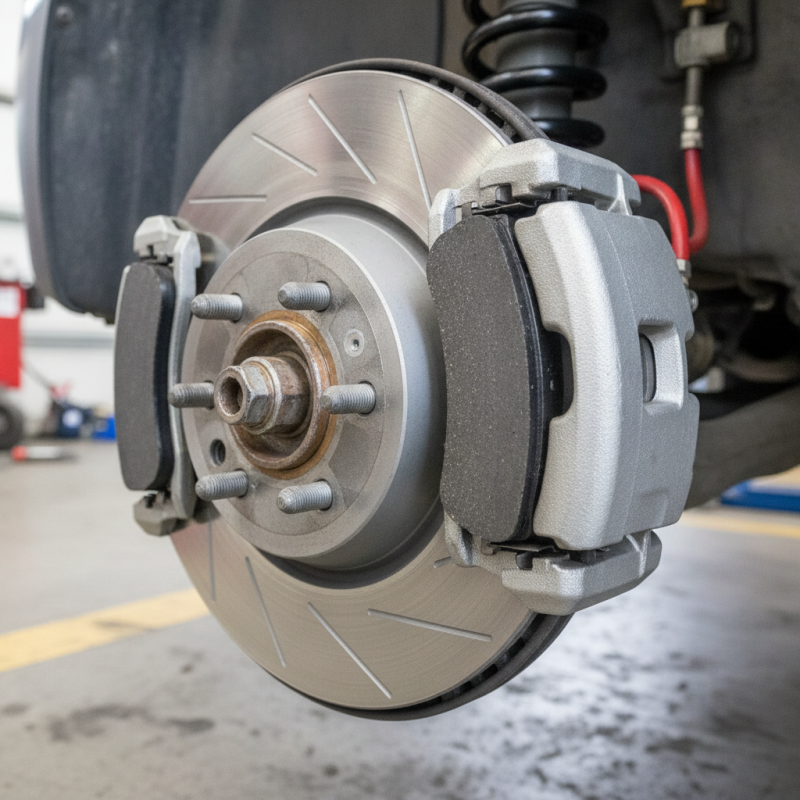
Understanding how do brake pads work in vehicles is crucial for ensuring optimal safety. These components are essential for the effective operation of a vehicle's braking system. When you press the brake pedal, hydraulic pressure activates the brake pads. They then clamp down on the brake rotor, creating friction that slows the vehicle.

This process might seem straightforward, but nuances exist. Different materials affect performance, longevity, and safety. For instance, ceramic pads offer quiet operation but may wear faster in heavy use. On the other hand, metallic pads provide better braking power in extreme conditions. Understanding these differences helps drivers make informed choices about replacements.

Furthermore, regular maintenance is essential. Worn brake pads can lead to reduced stopping power, increasing the risk of accidents. Visual checks and listening for unusual sounds can save lives. Knowing how to maintain brake pads enhances both safety and vehicle longevity, underscoring their importance in everyday driving.
How Do Brake Pads Work in Vehicles for Optimal Safety?

Understanding the Role of Brake Pads in Vehicle Safety

Brake pads play a crucial role in ensuring vehicle safety. They are the components that clamp onto the brake rotor when you apply the brake pedal. This action generates friction, which slows down or stops the vehicle. According to the National Highway Traffic Safety Administration (NHTSA), brake failure contributes to approximately 5% of traffic accidents. This statistic highlights how vital it is to maintain and replace brake pads regularly.

When brake pads wear out, their ability to create friction diminishes. This degradation can lead to longer stopping distances and increased risk of accidents. The average lifespan of brake pads ranges from 30,000 to 70,000 miles, depending on driving conditions and habits. Regular inspections can help detect wear and ensure safety on the road.

Tips: Check your brake pads every 10,000 miles. Listen for squeaking sounds while braking. These noises often signal that your pads need replacing. Timely maintenance can prevent serious accidents. Remember, neglecting your brake system can have critical repercussions. Always prioritize safety over convenience.

Composition and Types of Brake Pads Used in Different Vehicles

Brake pads are crucial for ensuring vehicle safety. They come in various compositions and types, tailored to different vehicle needs. Metallic pads, ceramic pads, and organic pads are the most common types. Each has its own set of pros and cons.

Metallic pads, made with a mixture of metal fibers, provide strong stopping power. However, they can produce more noise and wear down rotors faster. Ceramic pads are quieter and produce less brake dust. But they may perform less effectively in extreme temperatures. Organic pads, composed of materials like rubber and resin, offer a smooth and quiet operation. They tend to wear out quicker and may not handle heavy loads well.

Choosing the right type requires understanding vehicle specifications. Factors such as driving style, climate, and load must be considered. It's important to evaluate braking performance and wear rates. Not all pads are equal, and some may underperform under certain conditions. A thoughtful selection process can lead to safer driving experiences.

How Brake Pads Generate Friction to Slow Down a Vehicle

Brake pads play a crucial role in vehicle safety by generating friction to slow down or stop a moving vehicle. When the driver presses the brake pedal, hydraulic pressure pushes the brake pads against the brake rotor. This contact generates friction, which converts kinetic energy into heat, effectively reducing the vehicle's speed. According to industry studies, the friction material of modern pads typically consists of organic, semi-metallic, or ceramic compounds. Each type has unique characteristics that influence braking performance.

For optimal functioning, brake pads must maintain a specific thickness and material integrity. Research by the Automotive Research Association shows that worn-out pads can diminish braking efficiency by up to 30%. Additionally, friction levels can drop significantly, leading to increased stopping distances. It's essential to monitor pad wear regularly, as neglect can result in brake system failure or, worse, accidents.

In practice, many drivers overlook brake pad maintenance, prioritizing other vehicle components. This oversight can lead to dire consequences. A study indicated that improper brake service contributes to 25% of road accidents. Understanding the mechanics of brake pads and their role in generating friction is vital for vehicle safety. Regular inspections and timely replacements ensure optimal braking performance and enhance driver confidence on the road.

How Do Brake Pads Work in Vehicles for Optimal Safety?

Brake Pad Material Friction Coefficient Durability (Miles) Cost ($) Noise Level (decibels)
Ceramic 0.30 - 0.40 30,000 - 70,000 50 - 150 60 - 70
Semi-Metallic 0.40 - 0.60 20,000 - 40,000 50 - 100 70 - 80
Organic 0.40 - 0.50 20,000 - 30,000 30 - 100 50 - 60
Low-Metallic 0.35 - 0.55 25,000 - 50,000 50 - 120 65 - 75

Signs of Worn Brake Pads and Their Impact on Safety

Worn brake pads can significantly impact vehicle safety. Drivers often ignore warning signs until it’s too late. One common indicator is a squeaking or grinding noise when braking. This noise is caused by a wear indicator on the pads, alerting you that it's time for a replacement. Ignoring this can lead to further damage and increased repair costs.

Another sign to watch for is a pulsating brake pedal. This may indicate that the pads are unevenly worn or that the rotors need maintenance. A soft pedal feel can also suggest worn pads. This condition can compromise your stopping power, posing a serious risk.

The impact of neglected brake pads extends beyond inconvenience. It can lead to longer stopping distances, reducing your vehicle's overall control. Drivers should regularly inspect brake pads to ensure optimal performance. Taking proactive measures is essential for maintaining safety on the road.

Maintenance Tips for Ensuring Optimal Brake Pad Performance

Brake pads play a crucial role in vehicle safety. To ensure they perform optimally, regular maintenance is essential. Check brake pads every few months for wear and tear. Listen for squeaking sounds when braking. This can indicate that they need replacement.

Ensure that the brake fluid is at the correct level. Low fluid can lead to poor performance. Also, keep an eye on the brake lines for any leaks or damage. Keeping dust and debris off brake pads can enhance their lifespan. Regular cleaning can prevent excessive wear.

Reflect on your driving habits. Aggressive driving can lead to quicker wear of brake pads. Smooth acceleration and gentle braking can extend their life. Take time to evaluate your environment. Frequently driving in stop-and-go traffic can also increase brake pad wear.

FAQS

: What are brake pads used for?

: Brake pads generate friction to slow down or stop a vehicle when the driver presses the brake pedal.

How do brake pads create friction?

When pressed against the brake rotor, brake pads create friction that converts kinetic energy into heat.

What materials are commonly used in brake pads?

Modern brake pads typically consist of organic, semi-metallic, or ceramic compounds, each with unique characteristics.

Why is brake pad thickness important?

Brake pads must maintain specific thickness for optimal performance. Worn-out pads can reduce braking efficiency significantly.

What are signs of worn brake pads?

Common signs include squeaking or grinding noises, and a pulsating or soft brake pedal feel.

How can neglecting brake pads affect safety?

Ignoring worn brake pads can lead to longer stopping distances and increase the risk of accidents.

What percentage of accidents are linked to improper brake service?

Studies indicate that improper brake service contributes to about 25% of road accidents.

How can drivers ensure their brake pads are in good condition?

Regular inspections and timely replacements are essential to maintain optimal braking performance and safety.

What can happen if you ignore brake maintenance?

Ignoring brake maintenance can lead to brake system failure and potentially serious accidents.

How often should brake pads be checked?

Brake pads should be inspected regularly to ensure optimal performance and avoid safety risks.

Conclusion

Brake pads play a crucial role in ensuring vehicle safety by providing the necessary friction to slow down or stop a vehicle. Understanding how do brake pads work in vehicles is essential for drivers, as these components are made from various materials, each suited for different types of vehicles and driving conditions. Brake pads generate friction when they are pressed against the brake rotors, converting kinetic energy into thermal energy, which ultimately slows the vehicle down.

Worn brake pads can significantly impact safety, leading to longer stopping distances and reduced control. Signs of wear include squeaking or grinding noises and reduced braking responsiveness. To maintain optimal brake pad performance, regular inspections and timely replacements are essential. Adhering to maintenance tips can help ensure that the brake system remains effective, providing the safety needed while on the road.

Aria

Aria

Aria is a dedicated marketing professional with a deep passion for innovative strategies and a keen understanding of our company's product offerings. With a wealth of experience in the industry, Aria excels at crafting engaging content that highlights the unique features and benefits of our......