Choosing the right lubricant for machinery can greatly affect performance and longevity. Many may assume that any lubricant works, but that’s rarely the case. Different machines require specific lubricants to function optimally. Understanding how to choose the right lubricant for machinery involves several key factors.
Viscosity is crucial. It determines how easily the lubricant flows. A thicker oil may not circulate well, while a thin one might evaporate too quickly. Pay attention to manufacturer recommendations. They often provide insights tailored to your machinery’s needs.
Environmental conditions play a role, too. Temperature and humidity can drastically affect lubricant performance. Reflect on the operating conditions your machinery will face. This reflection can lead to better choices. Remember, the wrong lubricant can lead to wear and costly repairs. Engaging with experts can also provide valuable guidance. Their experience is invaluable in making informed decisions.
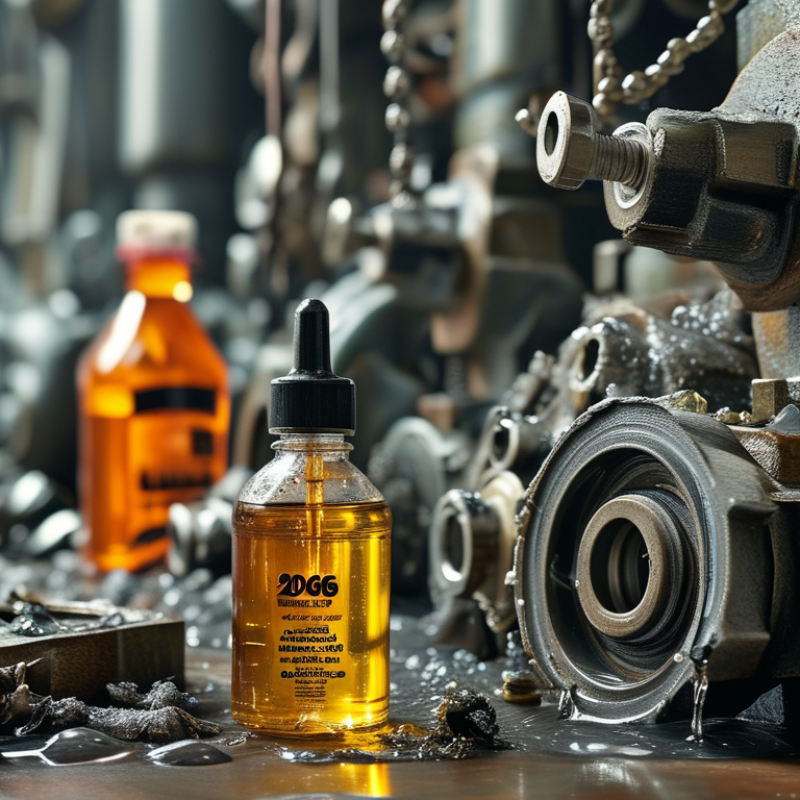
Lubricants play a crucial role in enhancing machinery performance. They reduce friction and wear, thus prolonging the life of moving parts. Machines run more smoothly with the right lubricant. It minimizes heat generation and helps prevent breakdowns. Investing in proper lubrication is not just a choice. It’s a necessity for reliable operations.
Selecting the right lubricant can be challenging. Factors like temperature, load, and operating conditions must be considered. Sometimes, the most suitable option isn’t immediately clear. Regular maintenance and lubricant analysis are essential. They ensure that the selected lubricant remains effective. Equipment operators often overlook this aspect, leading to premature failure.
Moreover, it's essential to stay updated on lubrication technologies. Industry best practices evolve over time. What worked well a few years ago might not be optimal now. Understanding both current products and older formulations can offer valuable insights. Regular training and workshops can enhance knowledge. This commitment to improving lubricating practices pays off in the long run.
Choosing the right lubricant is essential for the efficiency of industrial machinery. Various types of lubricants serve different purposes. For instance, oils are commonly used in high-speed applications due to their effective heat dissipation.
Greases, on the other hand, are useful in applications where a thicker consistency is needed to prevent leakage. According to a recent market report, around 65% of machinery failures are attributed to inadequate lubrication. This highlights the importance of selecting the correct type.
Synthetic lubricants are gaining traction in industries for their superior performance. They can withstand higher temperatures and provide better wear protection compared to traditional mineral oils. A study showed that synthetic lubricants can improve machinery life by up to 30%. However, not all applications require synthetic options. Sometimes mineral oils are sufficient and more cost-effective. It's crucial to assess the specific needs of your machinery to avoid unnecessary expenses.
Understanding the viscosity and additives is also vital. The viscosity rating determines how easily a lubricant flows at various temperatures. Additives can enhance properties like anti-wear performance or corrosion resistance. However, relying solely on data can lead to oversight. Each machinery setup may behave differently under operational stress. Testing various lubricants in real-world conditions can provide insights that statistics alone might miss.
Choosing the right lubricant for machinery is crucial for optimal performance and longevity.
Various factors significantly influence this decision. Viscosity is one of the most critical parameters.
According to the NLGI (National Lubricating Grease Institute), choosing the wrong viscosity can lead to equipment failure.
A lubricant that is too thick may impede movement, while one that's too thin can evaporate quickly.
Temperature ranges also play a vital role. Lubricants must remain effective under operating conditions. For instance, lubricants suited for
high temperatures maintain their properties better, while those for low temperatures prevent hardening.
A study by the American Society of Mechanical Engineers highlights that improper lubricant selection can lead to a
20-30% drop in machinery efficiency.
When selecting a lubricant, consider testing data and equipment compatibility. This ensures that your lubricant will perform well with
specific machine components. Always look for certifications and compliance reports. Opting for lubricants with proven track records
can mitigate risks.
Regularly review your lubricant choices. Machinery and operational demands change,
requiring periodic reassessments of lubricant types. Misalignment with updated machinery needs can lead to unnecessary downtimes.
Being proactive can save costs and enhance productivity.
Choosing the right lubricant involves understanding viscosity ratings. Viscosity measures a fluid's resistance to flow. Higher viscosity oils are thicker and can better support heavy loads. However, they can also lead to increased energy consumption. A decision should be based on operating conditions.
For instance, equipment operating at high temperatures may require low-viscosity lubricants. A study by the Society of Tribologists and Lubrication Engineers indicates that improper viscosity selection can reduce machine efficiency by up to 30%. This highlights the importance of thoroughly assessing machinery needs.
Viscosity grades are categorized by the Society of Automotive Engineers (SAE) system. Selecting a lubricant with the correct grade can enhance performance. However, a mismatch can accelerate wear and lead to costly repairs. Regularly reviewing equipment requirements ensures optimal lubricant choice. Balancing the trade-offs in viscosity is crucial for sustaining machinery longevity.
| Lubricant Type | Viscosity Rating (cSt @ 40°C) | Recommended Usage | Temperature Range (°C) | Key Benefits |
|---|---|---|---|---|
| Synthetic Oil | 32 | High-performance machinery | -20 to 100 | Excellent temperature stability |
| Mineral Oil | 46 | General industrial use | 0 to 80 | Cost-effective and versatile |
| Grease | NLGI 2 | Bearings and joints | -20 to 120 | Provides sealing and protection |
| Bio-Based Oil | ISO 68 | Eco-friendly applications | -10 to 90 | Reduced environmental impact |
| High-Temperature Oil | 100 | Extreme heat applications | 50 to 200 | Stable at high temperatures |
Effective lubricant maintenance is crucial for machinery longevity. Regularly checking lubricant levels helps prevent equipment wear. Over time, contaminants can accumulate, affecting performance. Implementing a routine inspection schedule mitigates this risk. It's essential to verify the lubricant's condition, as color and consistency can indicate problems. Ignoring these signs may lead to costly breakdowns.
Storing lubricants properly is vital. Keep them in a clean, dry environment. Exposure to moisture can decrease effectiveness. Use clearly labeled containers to avoid mix-ups. Employee training on handling lubricants ensures proper application. Misapplication can lead to inefficiencies and potential harm to equipment. Frequent discussions and workshops can bridge knowledge gaps among staff, creating a more informed team.
Using technology can enhance lubricant management. Monitoring systems provide real-time data on lubricant conditions. They can signal when maintenance is needed. However, relying too heavily on technology can be flawed. It’s still essential to combine it with human oversight and expertise. Regular reviews of systems and practices will invariably bring new insights and improvements.
: Lubricants reduce friction and wear, extending the life of moving parts and ensuring smooth operation.
Consider viscosity, temperature ranges, load, and operating conditions during lubricant selection.
Incorrect viscosity can lead to equipment failure, with thick lubricants impeding movement and thin ones evaporating too quickly.
Lubricants must maintain their properties under operating temperatures. High-temperature lubricants perform better in heat, while low-temperature ones resist hardening.
Yes, regular maintenance ensures selected lubricants remain effective and prevents premature equipment failure.
Attend training, workshops, and industry seminars to learn about evolving best practices and products.
Regularly review and reassess lubricant choices to align with updated machinery needs and reduce operational downtimes.
Testing ensures that lubricants perform well with specific machine components, reducing risk of failure.
It can lead to a 20-30% drop in efficiency, impacting overall productivity negatively.
Look for certifications and compliance reports that indicate proven track records for reliability and performance.
Choosing the right lubricant for machinery is crucial for optimizing performance and extending equipment lifespan. Understanding the importance of lubricants involves recognizing their role in reducing friction, dissipating heat, and preventing wear and tear. Various types of lubricants, such as oils and greases, serve different applications in industrial machinery, making it essential to consider the specific requirements of your equipment.
When determining how to choose the right lubricant for machinery, several factors must be taken into account, including the operating environment, lubrication method, and compatibility with machinery materials. Additionally, viscosity ratings play a critical role in lubricant selection, impacting flow characteristics and protective qualities. To ensure peak performance, best practices for lubricant maintenance and management should be implemented, such as regular monitoring and timely replacements, which further enhance machinery reliability.

SHE Auto