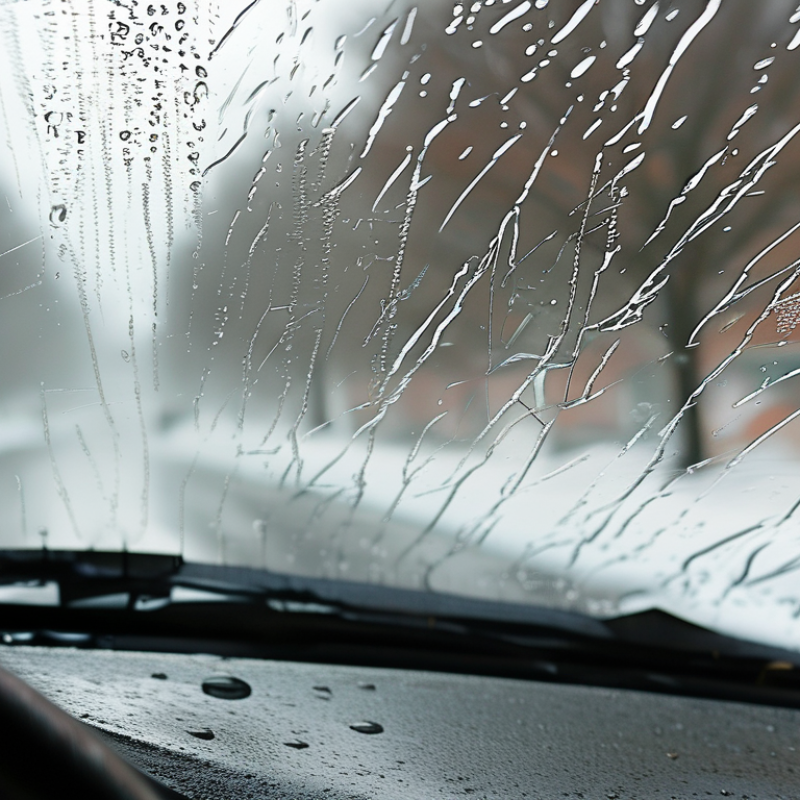
2026 Top Windshield Wipers What Causes Them to Wear Out?

Time:2026-09-06 Author:Henry
0%

Windshield wipers look simple, but they perform a demanding safety task. Every sweep clears rain, road spray, dust, pollen, and winter grime from your view. Over time, that flexible rubber edge becomes less effective. Understanding what causes windshield wipers to wear out helps drivers replace them before visibility becomes dangerous.

Richard Reina, an automotive training expert and former service technician, offers a practical reminder: “Wiper blades are safety equipment, not merely accessories.” His point matters because worn blades can leave streaks, skip across glass, or create a hazy film during heavy rain. Sunlight is a major enemy. Ultraviolet exposure dries the rubber and causes tiny cracks along the wiping edge. Heat makes the damage worse, especially when a parked car sits outside for hours.

Cold weather adds another problem. Frozen blades can tear when switched on, particularly if they are stuck to the windshield. Dirt also acts like sandpaper. A gritty blade may scratch glass over repeated use. Poor washer fluid, oil residue, and frequent dry wiping accelerate deterioration.

Small details matter.

A blade can look acceptable and still perform poorly. Chattering often signals hardened rubber or a contaminated windshield. Uneven pressure may indicate a bent wiper arm, not just an old blade. That distinction is easy to miss. It is also where this topic becomes less perfect than a simple replacement schedule suggests.

This 2026 guide examines what causes windshield wipers to wear out, how professionals identify failure, and which modern blade designs offer dependable performance. Drivers should inspect the rubber regularly, clean the windshield carefully, and replace damaged blades without waiting for the next storm.

2026 Top Windshield Wipers What Causes Them to Wear Out?

What Makes Windshield Wipers Wear Out Over Time

Windshield wipers wear out mainly because rubber slowly loses its flexibility. Sunlight, heat, and ozone dry the wiping edge. In cold weather, frozen rubber can tear when the blade moves. Road dust also acts like fine sand against the glass. After a hot afternoon, I have found tiny cracks along the blade’s edge. They were difficult to notice until rain created uneven streaks.

Mechanical stress adds more damage over time. A wiper arm presses the blade against the windshield during every sweep. Dirt trapped underneath increases friction and can leave curved scratches. Using wipers on dry glass accelerates this wear, especially when insects or road film cover the surface. Washer fluid helps, but it cannot repair hardened rubber. A bent arm, blocked spray nozzle, or poorly fitted blade can also create missed areas and noisy movement.

Regular inspection is more reliable than following a fixed replacement date. Check for cracks, splitting, stiffness, or skipped sections every few weeks. Cleaning the blade with a damp, lint-free cloth may remove black residue, though some residue is normal. I once assumed a noisy blade was defective; the real problem was grit on the windshield. Replacement timing varies with climate, parking habits, and driving conditions. Six to twelve months is common, but severe sunlight or frequent dust can shorten that period. My earlier estimate was too general.

How Weather and Road Conditions Damage Wiper Blades

2026 Top Windshield Wipers: What Causes Them to Wear Out?

Weather and road conditions can damage wiper blades faster than many drivers expect. I once blamed worn rubber on age alone. That explanation was incomplete. Heat hardens the blade, while ultraviolet light creates tiny surface cracks. In winter, frozen glass can tear the wiping edge within one careless pull. Summer parking is also harsh. A vehicle left outside can expose its blades to intense heat for hours.

Road contamination adds another layer of damage. Dust, salt, oil film, and fine sand collect on the windshield. Each wiping cycle drags these particles across the rubber. The edge may then leave gray streaks, missed arcs, or a thin water haze. Gravel roads are worse. Their airborne dust acts like abrasive powder. The damage is gradual, but visible.

The U.S. Federal Highway Administration reports that about 75% of weather-related crashes occur on wet pavement, with rain involved in roughly 46%. Clear vision is not a minor comfort during these conditions. It is a practical safety requirement. Drivers should inspect the blade edge monthly, especially after winter or extreme heat. Lift the blade gently and check for splits, stiffness, and uneven contact. Cleaning the glass helps, but it cannot repair hardened rubber. Some blades appear acceptable in bright daylight, yet fail under headlights and heavy rain. That is easy to overlook. Maybe replacement intervals should be treated as guidance, not a promise. Actual exposure matters more than the calendar.

Signs That Windshield Wipers Need Replacement

Windshield wipers rarely fail without warning. In daily inspections, the clearest signs are often simple: missed water, gray smears, and narrow unwiped lines. A blade that chatters across wet glass may have hardened rubber or uneven pressure. Listen closely. Repeated squeaking matters, especially when rain is light and the glass is clean. Do not blame the blade too quickly. Road dust, tree sap, and washer fluid residue can create similar symptoms.

Run a fingertip gently along the rubber edge only when parked and the wipers are off. Cracks, splits, rounded edges, or sections lifting from the glass indicate replacement is due. If the rubber feels brittle, it cannot maintain a consistent seal.

A professional check also examines the wiper arm, spring tension, and mounting connection. A new blade will not solve weak arm pressure. That mistake is common.

Streaking becomes more serious when it affects your view at night. Headlight glare can spread through leftover water and turn a familiar road into a blurred surface. Replace the blades if they leave several bands after one complete sweep, or if they skip during steady rain. I once delayed replacement because the blades looked acceptable in dry weather. That judgment was wrong. Wipers work under pressure, not appearance. Seasonal heat, freezing conditions, and frequent sun exposure can shorten their useful life, even when the rubber seems intact. Check them every few weeks, and inspect sooner after a dusty trip or ice event.

How Worn Wipers Affect Driving Visibility and Safety

Worn windshield wipers can turn light rain into a serious visibility problem. Their rubber edges harden, split, or develop flat spots after repeated sun exposure, freezing, and friction. Instead of clearing water, they leave thin films, cloudy arcs, or scattered droplets across the glass. At night, headlights can stretch those droplets into bright, distracting streaks. It is easy to underestimate this effect. A few seconds of unclear vision can change how quickly a driver notices a cyclist, lane marking, or stopped vehicle.

The Federal Highway Administration reports that about 21% of police-reported crashes are weather-related. Its analysis also links roughly 73% of weather-related crashes to wet pavement and 46% to rainfall. These figures do not measure wiper failure directly, but they show why clear glass matters during storms. Worn blades can increase visual workload, especially when spray rises from surrounding traffic. Drivers may slow too late or misread road edges. I have found that a blade can appear acceptable in dry weather, then smear badly during the first heavy shower. That is a useful warning, not a minor inconvenience.

Tips: Inspect the rubber edge monthly. Replace blades when they chatter, skip, split, or leave persistent streaks. Clean the windshield and blade surface with washer fluid, not household cleaners. Check visibility from the driver’s seat before a long trip. A small uncleared patch may seem harmless, but it can hide something important.

2026 Top Windshield Wipers What Causes Them to Wear Out? - How Worn Wipers Affect Driving Visibility and Safety
Wear Factor How It Damages the Wiper Typical Warning Signs Effect on Visibility and Driving Safety Recommended Response Risk Level
Ultraviolet exposure and heat Sunlight and high temperatures dry, harden, and crack the rubber edge over time. Splitting, surface cracks, stiffness, or a blade that no longer conforms to the windshield. Leaves unwiped areas and streaks, especially when glare or low sunlight makes contrast more difficult. Inspect regularly and replace the blade when the rubber becomes cracked, brittle, or uneven. High
Ice, frost, and freezing temperatures Frozen rubber can tear when the wipers are operated while bonded to the glass. Torn edges, missing sections, lifted rubber, or sudden scraping noises after a freeze. Creates large untreated sections and may cause the blade frame to contact the glass, reducing visibility and potentially scratching it. Freeze the windshield clear before use; lift the blades where appropriate and replace damaged rubber promptly. High
Dirt, sand, and road grit Particles trapped between the blade and glass act as abrasives during each sweep. Fine scratches, noisy operation, persistent streaks, or a rough wiping motion. Scattered streaks and haze can obscure pedestrians, lane markings, and vehicles during rain or spray. Clean the windshield and blade edge with clean water and a soft cloth; replace the blade if damage remains. High
Low washer-fluid use Dry wiping increases friction and accelerates wear on both the rubber edge and windshield surface. Chattering, squeaking, skipping, or visible drag across a dry windshield. Produces uneven cleaning and can rapidly create glare-producing smears. Use washer fluid before wiping dusty or dry glass; avoid operating the wipers on a dry windshield. Medium
Oil, wax, insects, and exhaust residue Contaminants reduce the blade's ability to maintain uniform contact with the glass. Smearing, hazy films, repeated streaks, or areas that appear clean only after several passes. Creates glare and reduces contrast, particularly at night or when facing headlights. Clean the glass thoroughly and remove residue from the blade; replace it if smearing continues. High
Incorrect installation or poor fit A loose adapter, incorrect size, or incompatible connector can prevent even pressure across the blade. Loose movement, uneven wiping, lifting at speed, rattling, or an exposed connector. May leave unwiped zones and can cause sudden loss of wiping performance during heavy rain. Confirm the correct blade length and connector; check that the adapter locks securely. High
Worn wiper arm or weak spring pressure A bent arm or weak spring fails to press the blade evenly against the windshield. One section wipes well while another skips, lifts, or remains wet. Reduces the driver's clear viewing area and can leave critical sight zones untreated. Inspect arm alignment and spring tension; repair or replace the arm if a new blade does not correct the issue. High
Frequent heavy rain, snow, and road spray High operating frequency and contaminated water increase friction and mechanical stress. Performance declines sooner than expected, with chatter, skipping, or uneven clearing. Visibility can deteriorate quickly during storms when continuous wiping is essential. Inspect before the wet season and replace blades when performance becomes inconsistent. Medium
Infrequent use and long-term storage Rubber can take a set, harden, or bond to the glass when left unused for extended periods. Flat spots, vibration, skipping, or a blade that does not return smoothly. Produces intermittent clear and blurred areas, making sudden weather changes more hazardous. Inspect after long storage and test the blades with washer fluid before driving in rain. Medium
Normal aging and repeated flexing Repeated movement gradually reduces rubber elasticity and edge sharpness. Streaks, skips, squeaks, chatter, or visible deterioration after months of service. Reduces clarity and increases driver workload because more frequent wiping is needed. Many wiper blades require replacement about every 6–12 months, but climate and use may shorten or extend this interval. Medium
Damaged or contaminated windshield Chips, pitting, rough glass, or embedded contaminants wear the rubber edge unevenly. New blades continue to streak, catch, skip, or produce a repeating mark in the same location. Persistent optical distortion and glare may remain even after blade replacement. Have the windshield professionally cleaned or inspected; repair eligible damage and replace severely worn glass. High

Practical inspection rule: replace windshield wipers when they streak, skip, chatter, smear, split, or fail to clear the driver's primary viewing area. Always test visibility after replacement before driving in severe weather.

How to Choose and Maintain Long-Lasting Wiper Blades

2026 Top Windshield Wipers: What Causes Them to Wear Out?

Long-lasting wiper blades begin with correct selection. Match the blade to your vehicle’s arm, windshield curve, and local weather. A stiff winter blade may perform poorly in hot climates. Natural rubber and synthetic compounds also age differently. Heat, ultraviolet light, road dust, and washer-fluid residue gradually harden the wiping edge. Small cracks often appear before visible streaks.

Clean the windshield whenever fuel, pollen, or road film builds up. A dirty glass surface increases friction and can scrape the blade. Lift each blade monthly and inspect its edge for splits, curling, or uneven contact. Wipe it with a damp microfiber cloth. Do not use strong solvents. They can damage the rubber. Replace the blade when it leaves repeated lines, even if the frame still looks acceptable. I once waited too long, and the first heavy shower exposed that mistake.

The U.S. Federal Highway Administration reports that 75% of weather-related crashes occur on wet pavement, while 46% happen during rainfall. The National Highway Traffic Safety Administration also identifies rain as a major factor in reduced roadway visibility. These figures make maintenance more than a comfort issue. They support a practical replacement check every six to twelve months, adjusted for climate and usage. That interval is not universal. Coastal salt, dusty roads, and frequent sun can shorten it. A quiet wipe is useful, but not proof of perfect contact. Examine the glass from the driver’s seat. Then test the blades with washer fluid before severe weather arrives.

2026 Top Windshield Wipers: Typical Replacement Intervals by Driving Environment

Windshield wiper blades commonly last about 6–12 months. Strong sunlight, high temperatures, ice, snow, road dust, and frequent use can shorten their service life. Inspect the rubber regularly and replace the blades when they leave streaks, skip across the glass, chatter, or show cracks and splitting.

FAQS

: What are the clearest signs that windshield wipers need replacement?

: Watch for missed water, gray smears, narrow unwiped lines, or repeated skipping. Night glare makes streaks more dangerous.

Why do wipers chatter or squeak across wet glass?

Hardened rubber, uneven pressure, dust, sap, or washer-fluid residue may cause the noise. Do not blame the blade immediately.

How can I inspect a wiper blade safely?

Park the vehicle and switch the wipers off. Gently feel the rubber edge for cracks, splits, rounded sections, or lifting.

Can a new blade fix every wiping problem?

No. Weak arm pressure, a damaged spring, or a poor mounting connection may remain. That mistake is common.

When do streaks become a serious visibility problem?

Replace the blades when several bands remain after one full sweep. Nighttime headlight glare can spread through leftover water.

How often should windshield wipers be checked?

Inspect them every few weeks, especially after dusty trips, freezing weather, or ice. A replacement check every six to twelve months is practical.

How should I clean and maintain wiper blades?

Clean the windshield when pollen, fuel residue, or road film builds up. Wipe the rubber monthly with a damp microfiber cloth. Avoid strong solvents.

Does a quiet wiper prove it works properly?

No. Quiet movement does not guarantee full contact. Test the blades with washer fluid and inspect the glass from the driver’s seat. I once waited too long, and heavy rain exposed the mistake.

Conclusion

Windshield wipers gradually lose performance because their rubber edges dry out, harden, crack, or become misshapen through repeated use. What causes windshield wipers to wear out includes prolonged exposure to sunlight, heat, freezing temperatures, rain, snow, dust, road salt, and oily residues. Dirt and small particles can also act like sandpaper, damaging the blade as it moves across the glass. Frequent use on dry or icy windshields may accelerate this deterioration.

Common warning signs include streaks, missed areas, skipping, squeaking, and visible cracks or splits. Worn wipers reduce driving visibility, especially during heavy rain, and can create dangerous glare or blurred areas that delay a driver’s reaction. To choose long-lasting blades, drivers should consider a suitable size, durable materials, and a design that maintains even contact with the windshield. Regularly cleaning the glass and blades, removing ice carefully, and replacing damaged wipers promptly can help preserve clear vision and improve road safety.

Henry

Henry

Henry is a dedicated marketing professional with a profound expertise in the company's offerings. With years of experience in the industry, he possesses an impressive understanding of the market dynamics and consumer behaviors that drive success. Henry is committed to sharing his insights through......